Key Takeaways
- PayPal isn’t available in Turkey since it left due to regulatory and infrastructure requirements;
- Trying to force PayPal with VPNs or foreign addresses is risky and can lead to frozen or lost funds;
- Alternatives like Ogvio offer faster, simpler ways to send and receive money internationally.
If you’re trying to send or receive money from Turkey, you’ve probably run into the same question over and over again: Is PayPal available in Turkey? It’s especially common among freelancers, remote workers, and businesses that deal with international clients and expect PayPal to "just work".
The reality, though, is a little messier. PayPal did operate in Turkey at one point, but it later exited the market, and things haven’t gone back to "normal" since. That’s why platforms like Ogvio have started showing up as alternatives because they enable Turkish users to access the service.
But before I get into how Ogvio works, let’s pause for a second. It’s time to spill the tea on why PayPal left Turkey, what’s actually going on behind the scenes, and why trying to force it shouldn’t be your option.

Did you know?
Subscribe - We publish new crypto explainer videos every week!
What is Curve Finance in Crypto? (Animated Explanation)


Table of Contents
- 1. Is PayPal Available in Turkey? No!
- 2. Why Is PayPal Banned in Turkey?
- 3. What Happens If You Try to Use PayPal Anyway?
- 4. Will PayPal Be Available in Turkey Anytime Soon?
- 5. Can You Still Receive Money in Turkey Without PayPal?
- 5.1. Ogvio
- 5.2. Western Union
- 5.3. Wise
- 5.4. TransferGo
- 6. How People in Turkey Can Use Ogvio (Step-by-Step)
- 6.1. Set Up Your Ogvio Account
- 6.2. Receive Money Instantly Using Your Ogvio @Tag
- 6.3. Request Money with a Payment Link
- 6.4. Receive Money Directly to a Turkish Bank Account
- 6.5. Get Paid in Crypto Using Ogvio
- 6.6. Send Money Internationally Using Ogvio @Tag
- 7. Conclusions
Is PayPal Available in Turkey? No!
If you need to make transactions with a Turkish friend and wonder, “Is PayPal available in Turkey?”, I hope you’re ready for the bad news. PayPal isn’t available in Turkey, and you need to find alternatives that work for both of you.
Latest Changelly Coupon Found:What does this absence mean for people in Turkey? For individuals, you can’t make or receive payments, shop internationally, or transfer money using PayPal from within Turkey.
Then, does PayPal work in Turkey for businesses? The answer is also no. This restriction means merchants can’t use PayPal as a payment option on their websites or online stores for buyers inside or outside Turkey. E-commerce sites also can’t add PayPal buttons at checkout.
Businesses selling to customers abroad may be affected the most, because they lose access to a payment method many international buyers already know and trust.
For example, a large share of UK consumers[1] regularly choose PayPal when shopping online, so not offering it can create friction at checkout. When buyers don’t see a familiar option, they’re more likely to hesitate, abandon the purchase, or look for a seller in a country where PayPal is supported.

Without PayPal, businesses must integrate other payment gateways (e.g., credit card processors, local services like iyzico or BKM Express). It sounds easy on paper, but setting up and managing multiple systems can mean more technical work, more vendor relationships, and higher fees than just turning on PayPal.
The effects don’t stop at business owners and marketplaces; freelancers and digital service providers in Turkey also get headaches. They can’t invoice clients via PayPal easily and need to find an alternative.
Looking for more in-depth information on related topics? We have gathered similar articles for you to spare your time. Take a look!


Why Is PayPal Banned in Turkey?
PayPal availability in Turkey stopped in 2016 due to a regulatory dispute between the company and Turkish authorities. At the core of the issue of "Why is PayPal banned in Turkey?" was PayPal’s inability (or unwillingness) to meet local licensing and infrastructure requirements set by the Turkish government.
In June 2016, PayPal officially stopped operating in Turkey after failing to secure a license from the country’s financial regulator, the Banking Regulation and Supervision Agency (BDDK).
It’s sad knowing that about 2 million users in Turkey were using PayPal around the time it exited the market in 2016. This number includes people who used the platform for online shopping and payments.
Without this license, PayPal was legally unable to continue offering payment services to individuals or businesses in Turkey. As a result, users could no longer send or receive money through PayPal, although they’re temporarily allowed to log in and withdraw any remaining balances to local bank accounts.
The situation is often described as “PayPal is banned in Turkey”, but in practice, it was a license denial followed by a voluntary market exit. So, what were the licensing and infrastructure requirements set by the government that made PayPal eventually withdraw from the Turkish market? Generally, there are two aspects:
- Requirement to localize IT systems and data;
- License requirement for payment services.
BDDK, under Article 23 of Law No. 6493, required payment companies to keep their main systems and backup (disaster-recovery) servers inside Turkey. This way, regulators could directly access the systems whenever needed. For global platforms, that meant setting up local infrastructure instead of running everything from abroad.
With this law, the government aims to protect consumers by keeping financial transaction systems within their reach. If everything is run from overseas, it becomes much harder for them to step in when there’s a legal or financial issue.

PayPal rejected the idea because its platform is designed to run from shared data centers and systems around the world, not localized per country. Setting up an entire local stack (with servers, backups, and compliance under Turkish jurisdiction) would have required a major technological restructuring.
Besides the infrastructure, any company that wants to operate as an e-money or payment service provider needs a formal payment license from the BDDK. Without this license, the company can’t legally provide payment services to Turkish customers. PayPal applied for this license but was rejected because it didn’t meet the infrastructure requirements.
The sequence was “simple”: without local infrastructure, PayPal could not meet licensing requirements, and without a license, it had to stop operating in Turkey.
However, the Turkish government actually talked about PayPal entering Turkey as a “cross-border” entity. They were basically saying, “You can still serve Turkish users, but only in a limited way, and without fully operating as a local payment company in Turkey”.

If PayPal had accepted this option, it could have continued operating in Turkey under foreign jurisdiction. Yet, its services would likely have been limited, such as offering only basic money transfers without full merchant tools or local customer support.
PayPal finally didn’t pursue the license, probably because limited services can restrict the full use of the platform and didn't align well with PayPal’s global business model.
What Happens If You Try to Use PayPal Anyway?
Getting stuck on the question, “Is PayPal available in Turkey?”, can lead people to force PayPal to work from Turkey. I suggest you don’t push it because the reality is that it usually ends badly.
Since PayPal officially stopped serving Turkish users in 2016, sending or receiving money within Turkey has no longer been possible. If you log in, the platform won’t process payments because it isn’t supported in the country.
Then, what if you try workarounds like using a VPN, a fake address, or a foreign-registered account? Well, PayPal’s own rules explicitly prohibit accessing the service from unsupported countries, including via “hacks” mentioned.
PayPal’s User Agreement says you can’t access the service from a country that’s not on its permitted list, and trying to bypass that is considered a violation.
Here’s what can happen in practice:
1
Your account could get limited or suspended. PayPal may flag suspicious activity (e.g., logging in from Turkey or using fake address info) and put restrictions on your account. When that happens, you won’t be able to send or receive money.
2
Your funds could be held temporarily. Even if the account isn’t permanently shut down right away, PayPal might hold your balance while it checks the activity.
3
Worst case: account closure. In some cases, if PayPal decides you seriously violated its terms (e.g., using other countries’ info to keep an account “alive”), it can permanently limit or close the account. When that happens, you may have to wait months to get any remaining balance back, or even deal with conditions before getting the funds.
4
Trying VPNs or proxies isn’t a safe hack. PayPal’s policies even mention that anonymizing proxies (which include VPNs) are against their rules. Using it to pretend you’re somewhere else actually can trigger a restriction rather than a “workaround”.
So, does PayPal work in Turkey if I just bypass the rules? Well, instead of risking your money and account, it’s much safer to look into legitimate alternatives that support Turkish users.
📚 Read More: Best Way to Send Money to Turkey
Will PayPal Be Available in Turkey Anytime Soon?
As of now, there’s still no official timeline for PayPal availability in Turkey. When PayPal stopped its services in 2016, it said it would keep trying to get the proper license, meaning it might one day meet Turkey’s regulatory requirements and come back.
However, nothing public has changed since then:
- PayPal has not relaunched full payment services in Turkey.
- There have been no major announcements from PayPal or Turkish regulators confirming a return date.
- The fundamental issue (needing to comply with local licensing and infrastructure rules) still hasn’t been resolved in a way that allows PayPal to reopen in the country.
Some people online have pointed to recent changes in Turkey’s data protection laws that may help global payment companies like PayPal to operate there again.
For example, Turkey amended its Data Protection Law (Law No. 6698) in 2024 to update how personal data can be transferred abroad. The authorities aligned it more closely with the EU's GDPR, which is known to be a gold standard for data protection.[2]
Under the new rules, a company is allowed to move personal data out of Turkey if the destination country is considered “safe” by Turkish authorities, meaning its data protection laws are strong enough.
If the destination country is not officially recognized as safe, the company can still transfer data, but only if it puts extra protections in place, such as binding contracts that spell out how the data will be protected and used.
The goal of these new rules is to let data move across borders while still giving Turkish regulators confidence that users’ information is protected, even when it is processed outside the country.
This update relaxes Turkey’s old “data must stay here” rule, which was one of the main reasons global companies like PayPal didn’t want to operate in the country. It brings Turkey closer to international data standards, without completely dropping privacy protections. Anyhow, there’s no guarantee PayPal is coming back yet, because other licensing hurdles may still exist.
Can You Still Receive Money in Turkey Without PayPal?
Of course, you can still get money from friends abroad without PayPal. “PayPal’s banned in Turkey” isn’t the end of the world. Turkish citizens can still receive and send money abroad, but instead of PayPal, they use other platforms that handle international transfers, digital wallets, and even crypto.
The real trick is knowing which options actually work, what you’re giving up with each one, and how to use them without overpaying or getting stuck. So, what are the payment platforms that work in Turkey? Let’s find out!
Ogvio
Ogvio is one of the newest players in the global money-transfer space, and it aims to make international payments as simple as messaging a friend. The platform enables you to send money from around the world using a unique @Tag username, so you don’t have to share bank details or IBANs.
 | |
|---|---|
| |
| Per-transaction | |
| | |
| A global money transfer service with an additional volatile currency rate pegging to USD or EUR. | |
| Visit site Read review |
Table: Ogvio features
Unlike some older platforms, Ogvio supports multiple ways to fund your account, including Apple Pay, Google Pay, and crypto (specifically USDC). It also offers various methods of sending money. Yes, it has its @Tag feature for instant and free transfers, but you can choose to transfer crypto or money to someone’s bank account.
While Turkish lira support for top-ups isn’t fully live yet, Ogvio continues expanding its currency options and user base, meaning more localizations could arrive over time.
📚 Read More: Ogvio Review
Western Union
Stop asking, “Is PayPal available in Turkey?”, when your recipient wants to receive cash. Try Western Union instead because it widely operates in Turkey, allowing users to both send and receive money internationally.
 | |
|---|---|
| |
| Per-transaction | |
| | |
| A global service trusted for decades for sending money digitally or in person, though often pricier than newer alternatives. | |
| Visit site Read review |
Table: Western Union features
Western Union works with major Turkish banks like Akbank, Ziraat Bankası, and Garanti BBVA to make sure the service is accessible across the country. They act as cash pickup locations to let users receive and send money in person. Funds can also be sent directly into their bank accounts. Which of those banks you actually hold an account with shapes the experience more than you’d think, from branch hours to how fast a deposit clears, so if you’re still choosing one, our best bank in Turkey guide puts the main Turkish banks side by side.
In some cases, recipients can also withdraw cash or receive deposits through participating bank ATMs using the transfer’s tracking number.
📚 Read More: Western Union Review
Wise
Wise has always been known for its fair exchange rate. It offers no hidden markups or surprise fees, although it can get pricey if you transfer a small amount because the platform uses a percentage model. With the benefits, Wise, in fact, became a popular PayPal alternative in Turkey after PayPal left.
 | |
|---|---|
| |
| Per-transaction | |
| | |
| A trusted digital remittance service with upfront fees and great rates, but limited options for cash delivery. | |
| Visit site Read review |
Table: Wise features
However, things changed. Due to regulatory updates in Turkey, Wise placed restrictions on users with Turkish addresses. You can no longer:
- Open new multi-currency balances;
- Add money to balances, convert currencies;
- Receive funds into a Wise account like before.
In other words, Wise no longer works as a PayPal-style wallet for Turkish residents. That said, Wise isn’t useless. You can still send money internationally from your Turkish bank account, and you can withdraw any remaining balance you already have.
📚 Read More: Wise Review
TransferGo
In Turkey, TransferGo’s service is operated by Moka United Ödeme Hizmetleri ve Elektronik Para Kuruluşu A.Ş. (called “Birleşik Ödeme”). TransferGo Ltd (based in the UK) acts as an agent, but TransferGo itself isn’t licensed as an electronic money institution in Turkey (the local provider is).
 | |
|---|---|
| |
| Per-transaction | |
| | |
| A low-cost transfer app for European senders reaching 160+ countries. | |
| Visit site Read review |
Table: TransfrerGo features
The service lets you send TRY from your Turkish bank account (it must use your name) to recipients in other countries in a different currency. After you pay into TransferGo, they convert your TRY and pay it out abroad.
Overall, you have to sign up with real information, verify who you are, and send the money exactly as the app tells you. TransferGo shows you the fees upfront and convert your money into the other currency. If any details are entered incorrectly or the terms aren’t met, the transfer may be cancelled.
How People in Turkey Can Use Ogvio (Step-by-Step)
If you’re based in Turkey and need an easier way to get paid from abroad, there's no need to wonder "Is PayPal banned in Turkey?" anymore. Ogvio can help you in various possible scenarios: working with international clients, receiving support from family overseas, or moving money across borders yourself. Here’s how everything works, step by step.
Did you know?
Subscribe - We publish new crypto explainer videos every week!
Bullish vs Bearish Markets: How to Predict it? (Animated)

Set Up Your Ogvio Account
Before you can receive or send money, you’ll need to create an Ogvio account.
![Is PayPal available in Turkey: Ogvio's homepage, with the [Get Started] button outlined.](https://assets.bitdegree.org/images/is-paypal-available-in-turkey-ogvio-homepage-get-started.jpg "Is PayPal available in Turkey: Ogvio's homepage, with the [Get Started] button outlined.")
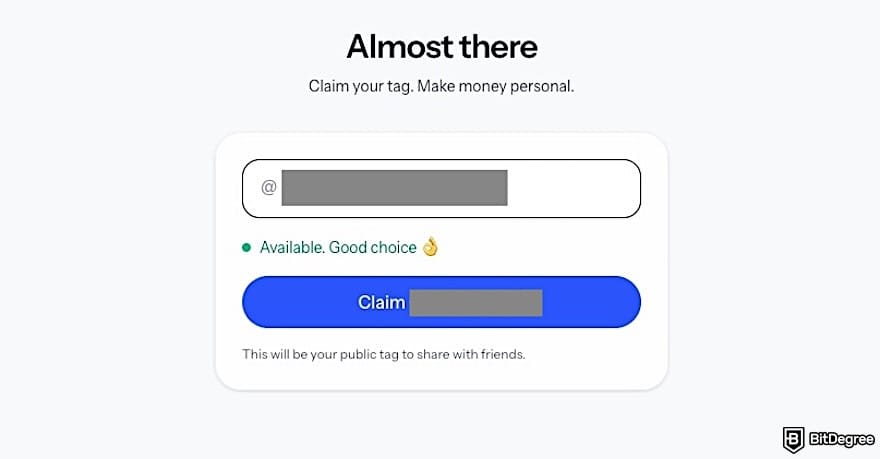
Once your @Tag is set, your account is ready. At this point, you can start receiving payments from clients, employers, or contacts abroad right away.
Receive Money Instantly Using Your Ogvio @Tag
If the person sending you money already uses Ogvio, this is hands down the fastest option.
![Is PayPal available in Turkey: the [Add money] button on Ogvio highlighted.](https://assets.bitdegree.org/images/is-paypal-available-in-turkey-ogvio-add-money-button.jpg "Is PayPal available in Turkey: the [Add money] button on Ogvio highlighted.")
![Is PayPal available in Turkey: the [Receive From Ogvio User] button on Ogvio highlighted.](https://assets.bitdegree.org/images/is-paypal-available-in-turkey-ogvio-top-up-methods-ogvio-user.jpg "Is PayPal available in Turkey: the [Receive From Ogvio User] button on Ogvio highlighted.")
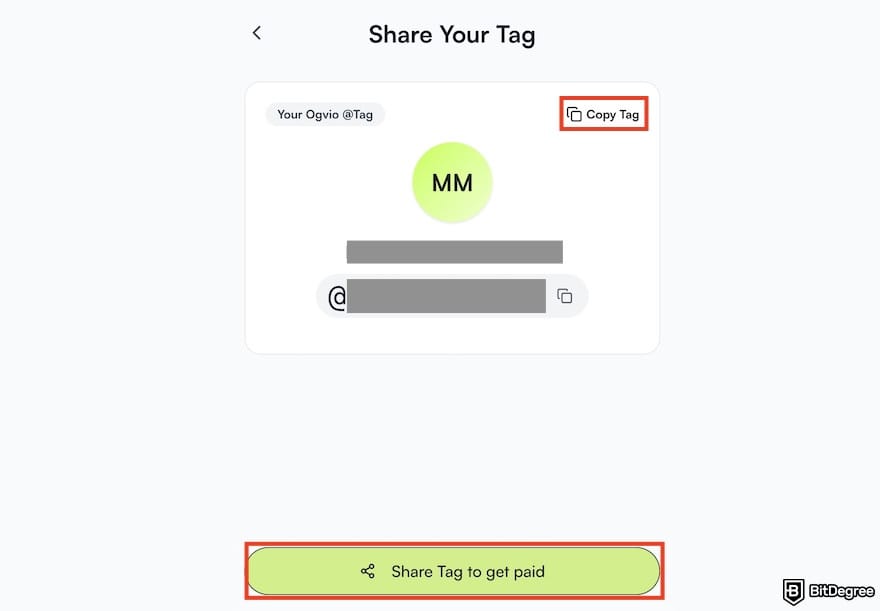
As soon as the sender enters your @Tag and completes the transfer, the money lands in your Ogvio balance instantly. Neither of you needs bank info or follow-ups asking if the payment went through.
Request Money with a Payment Link
In case you want something more structured (especially for freelance work or recurring payments), Ogvio also lets you send a payment request link. Here’s how:
![Is PayPal available in Turkey: the [Request Money] menu on Ogvio outlined.](https://assets.bitdegree.org/images/is-paypal-available-in-turkey-ogvio-request-money.jpg "Is PayPal available in Turkey: the [Request Money] menu on Ogvio outlined.")
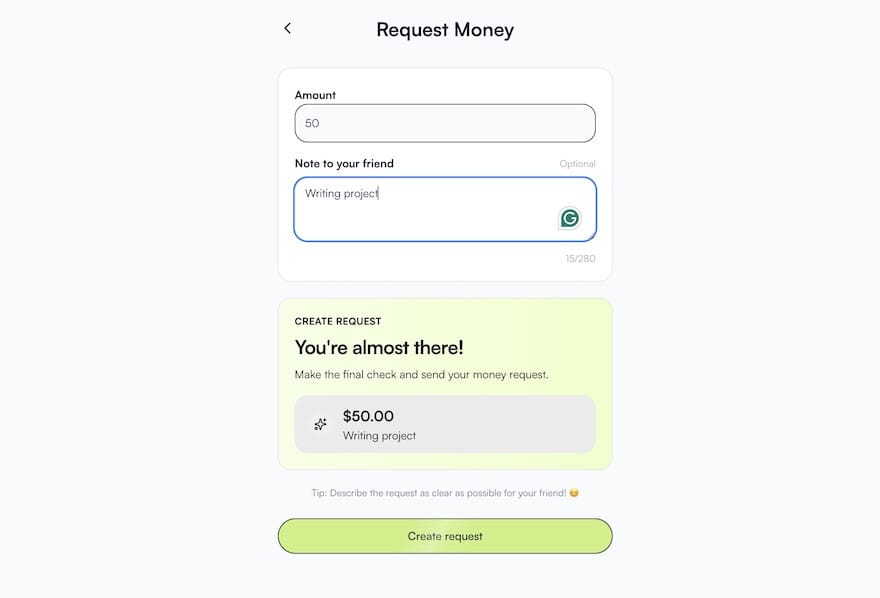
Ogvio will generate a secure payment link that you can send to your client or employer. This method feels more official than sharing a username and works well for salaries, invoices, or long-term collaborations.
Receive Money Directly to a Turkish Bank Account
Besides allowing you to keep the money within the platform, Ogvio supports direct bank transfers to Turkey, covering both traditional banks and modern digital banking options.
If the sender is holding funds in currencies like GBP, EUR, or USD, this money transfer tool automatically handles the conversion behind the scenes. When TRY is selected as the payout currency, the recipient receives Turkish lira directly. For someone sending money to Turkey from abroad, the process looks like this:
![Is PayPal available in Turkey: the [Send Money] button on Ogvio outlined.](https://assets.bitdegree.org/images/is-paypal-available-in-pakistan-ogvio-send-money-outlined-v2.jpg "Is PayPal available in Turkey: the [Send Money] button on Ogvio outlined.")
![Is PayPal available in Turkey: the [Bank Transfer] menu on Ogvio outlined.](https://assets.bitdegree.org/images/is-paypal-available-in-pakistan-ogvio-top-up-methods-bank-transfer-v1.jpg "Is PayPal available in Turkey: the [Bank Transfer] menu on Ogvio outlined.")
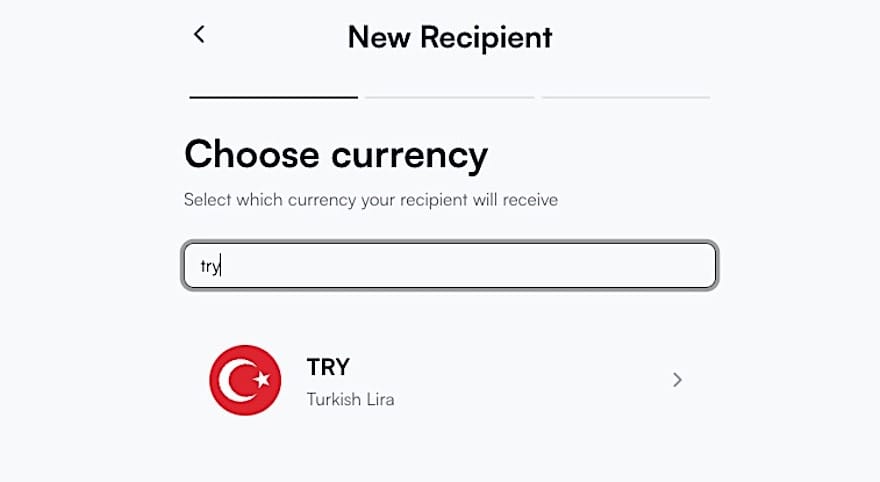
The recipient doesn’t need to log in or manually withdraw anything because the money goes straight to their bank account. You can use the same steps to withdraw your own Ogvio balance to a Turkish bank whenever you want.
Get Paid in Crypto Using Ogvio
Are you more crypto-native? Feel free to receive stablecoins via Ogvio – no need to change platforms. Follow these steps to find your wallet address:
![Is PayPal available in Turkey: the [Crypto Transfer] menu on Ogvio outlined.](https://assets.bitdegree.org/images/is-paypal-available-in-turkey-ogvio-top-up-methods-crypto-transfer.jpg "Is PayPal available in Turkey: the [Crypto Transfer] menu on Ogvio outlined.")
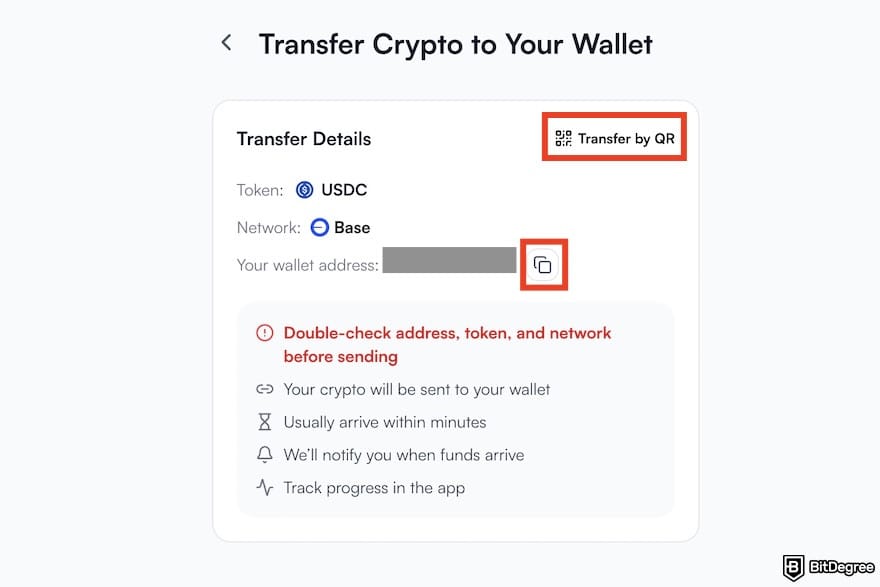
At the moment, Ogvio only supports USDC deposits, so sending other tokens like BTC or ETH can result in failed transfers.
Once the USDC arrives, it shows up in your Ogvio balance and can be used just like regular funds: you can hold it, send it internationally, or buy crypto within the platform. For users who already operate in crypto, this is often the fastest way to fund an account without relying on banks.
Send Money Internationally Using Ogvio @Tag
Before you can send money through Ogvio using an @Tag, your account needs to have a balance. If your balance is still zero, you’ll need to top up first. Right now, Ogvio supports top-ups through several methods. You can add funds via bank transfer, card payments, or by sending USDC from your crypto wallet.
At the moment, supported bank transfer currencies include options like AED, BRL, EUR, GBP, MXN, and NGN, with more expected to roll out over time.
In this guide, I’ll walk you through how to add money using a card payment, and then send that balance instantly to another Ogvio user via their @Tag.
![Is PayPal available in Turkey: the [Card Transfer] menu on Ogvio highlighted.](https://assets.bitdegree.org/images/is-paypal-available-in-turkey-ogvio-card-transfer-outlined.jpg "Is PayPal available in Turkey: the [Card Transfer] menu on Ogvio highlighted.")
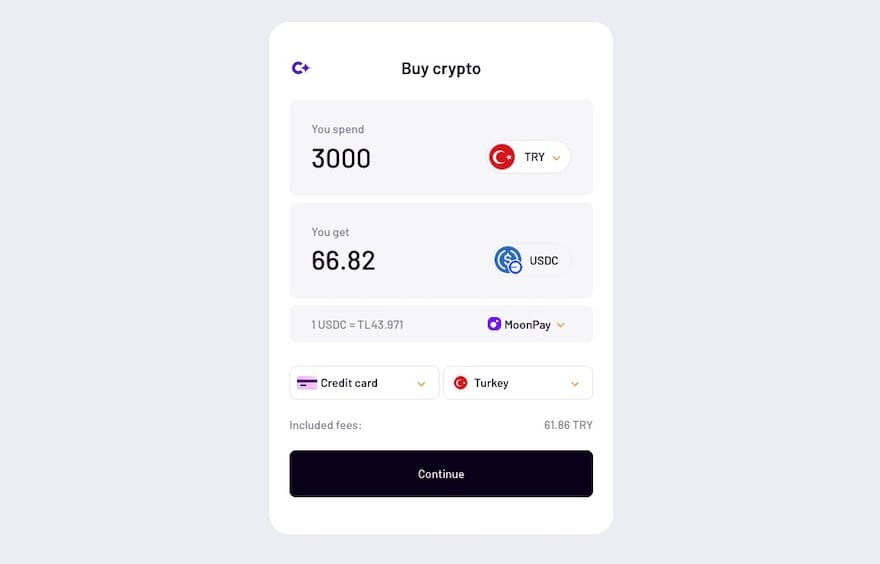
If you’re topping up with a card, keep in mind that there’s a minimum purchase of TL 450 and a maximum of TL 440,000 per transaction.
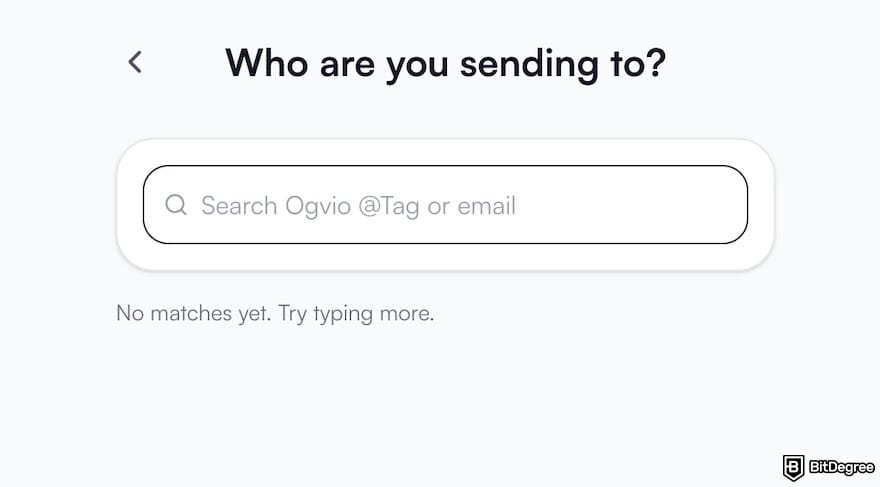
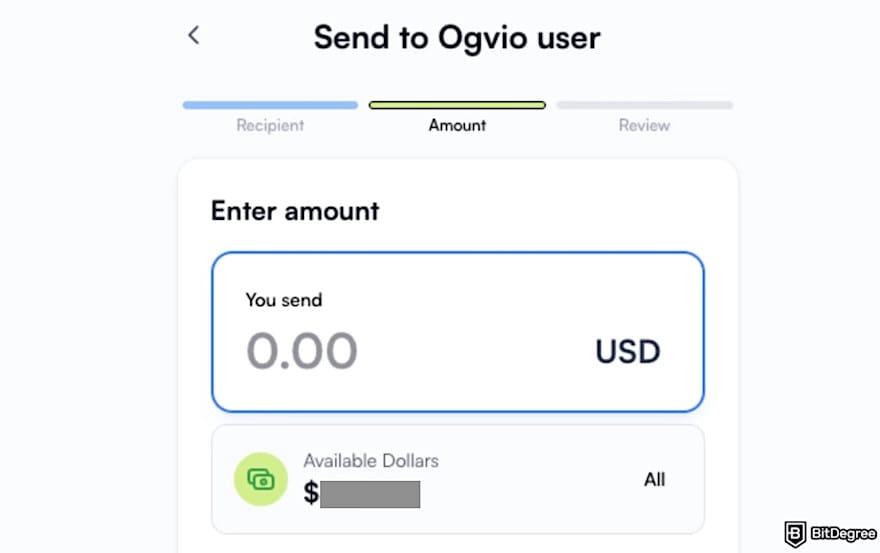
Once confirmed, the money is sent instantly and will appear in the recipient’s Ogvio balance right away, wherever they are.
Browse our collection of the most thorough Crypto Exchange related articles, guides & tutorials. Always be in the know & make informed decisions!



Conclusions
So, circling back to the big question everyone keeps asking: is PayPal available in Turkey? Short answer: no. And no, PayPal leaving Turkey wasn’t some random drama. It came down to regulatory clashes and business calculations around infrastructure, compliance, and whether meeting local requirements was worth it for the company.
But don’t stress; you’re not stuck. People in Turkey can still get paid, send money abroad, and run online businesses every single day, just without PayPal in the picture. Also, remember that relying on VPNs or random “hacks” isn’t a safe or sustainable option.
If you’re looking for a PayPal alternative in Turkey, Ogvio is worth checking out first. It’s built for fast international transfers and offers free in-platform options.
Scientific References
1. Xu H., Li J.: 'How Can Users Be Confident About Self-Disclosure in Mobile Payment? From Institutional Mechanism Perspective';
2. Pauletto C.: 'Options Towards a Global Standard for the Protection of Individuals With Regard to the Processing of Personal Data'.
Send Money Worldwide
Check out the best ways to send money to other countries quickly, safely, and with minimal fees.





























About Article's Experts & Analysts