Key Takeaways
- Nigerians can use PayPal in Nigeria, but you can only use it to spend money;
- In January 2026, PayPal started its partnership with Paga, opening access to Nigerians to receive money through the app;
- Despite this collaboration, there are still limitations with this setup, making providers like Ogvio a great alternative.
While PayPal is a global brand, it’s not fully accessible in every country in the world. The platform offers limited features or is straight-up unavailable in some regions. So, does PayPal work in Nigeria? Can people in the country access the full features offered by the app?
The answer is not a plain yes or no, and I’m not going to spoil it for you here. Read more to learn if PayPal is available in Nigeria, how to open a PayPal account in the country, and what limitations Nigerian users face when using the app.
Additionally, there's a better alternative to PayPal that suits Nigerian users better, with transparent fees and a quick transfer process. Curious? Let’s get started.

Did you know?
Subscribe - We publish new crypto explainer videos every week!
Non-custodial Wallet: Why Do You Need It Right NOW

Table of Contents
- 1. Does PayPal Work in Nigeria? Yes, But...
- 2. PayPal's Popularity in Nigeria
- 2.1. PayPal’s Partnership With Paga
- 3. The Main Limitations of PayPal in Nigeria
- 4. PayPal Alternatives in Nigeria
- 5. How to Use Ogvio in Nigeria
- 5.1. Creating an Account
- 5.2. Depositing Money
- 5.3. Send Money
- 6. Is Ogvio a PayPal Replacement?
- 7. PayPal's Fees in Nigeria
- 8. How to Create a PayPal Account in Nigeria
- 9. Conclusions
Does PayPal Work in Nigeria? Yes, But...
So, is PayPal available in Nigeria? The short answer is yes, but with some limitations. At the time of writing, Nigerians can open a PayPal account with no problem. You can link a card and use it to pay for goods and services online, including paying for subscription services or sending money abroad.
Latest Changelly Coupon Found:But that’s pretty much what you can do with your account. Unlike users in many countries, most PayPal accounts in Nigeria are limited to payment only. That means you can spend money online, but typically can’t receive money into your PayPal account.
Why, you might ask? Blame the Nigerian princes. All joking aside, apparently, PayPal has implemented this strict send-only policy in the country since 2004 due to “high incidences of internet fraud, financial crime, and compliance concerns”. This means you’re missing out on one of the biggest PayPal features.

If one of your colleagues or family members asked you, “Can I receive money with PayPal in Nigeria?” Sadly, the answer is no, at least not without doing a set of additional processes.
There have been partial workarounds over the years, including using a business account option. But even with these developments, the functionality still doesn’t match what PayPal users in countries like the US or UK can access.
So yes, PayPal technically works in Nigeria, but if your goal is to receive international payments freely and use PayPal as a full digital wallet, you’ll likely find the experience limited.
Looking for more in-depth information on related topics? We have gathered similar articles for you to spare your time. Take a look!


PayPal's Popularity in Nigeria
As I said earlier, PayPal has had little to no official presence in Nigeria for the last two decades due to the restrictions. Someone might ask, "Which bank uses PayPal in Nigeria?" and until recently, the answer was none.
You can always link your PayPal account to any Nigerian bank-issued Naira Mastercard or Visa card for online purchases.
Despite this, it was still a popular brand among Nigerians who actively use digital wallets. But since they had to jump through hoops to use the service, it was not the most practical option.
At the same time, PayPal's absence has become some sort of driving force for the local providers to grow Nigeria's fintech ecosystem. The rise of smartphone users, paired with a large unbanked population, has inspired mainstream banks and startups[1] to offer digital financial services to the Nigerian public.
The result is the inception of multiple popular fintech names in Nigeria, such as Flutterwave, Opay, and Paystack. The latter, in particular, is an interesting case because Stripe acquired it in October 2020. This marked the start of global brands' interest in the Nigerian market potential.
PayPal’s Partnership With Paga
On January 27, 2026, PayPal officially announced its partnership with a Nigerian fintech platform, Paga. Long story short, this collaboration lets users in the country link their PayPal accounts to a Paga wallet and receive international payments and withdraw funds directly in Naira.
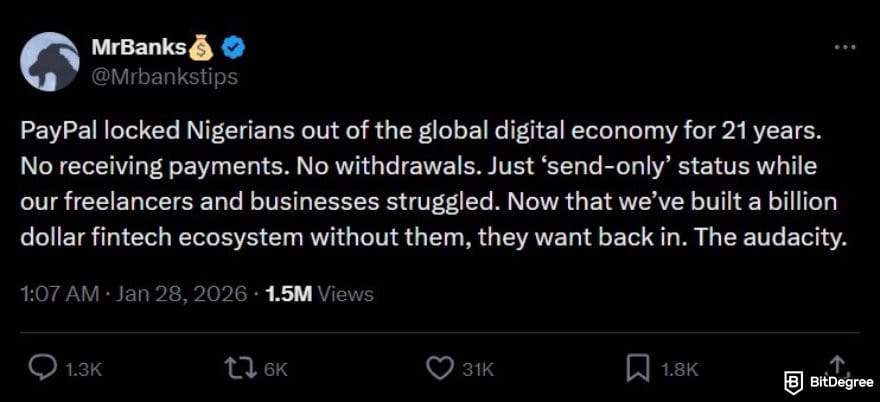
Many see this as an absolute win for Nigerians because they can finally receive money internationally using the app. But some perceive the acquisition as a potential threat to the local startups, especially in the fintech industry. As an X user MrBanks said it on one of their posts:
Regardless, while it seems like the ultimate solution to the long-lasting restriction, the collaboration is still in its early stage, at least at the time of writing. Because of that, there are still limitations related to this partnership. These include:
- Not Full Two-Way Functionality Yet. You can move money from PayPal into Paga in Naira and spend or transfer it locally, but you can’t use Naira to fund a PayPal balance or send funds back from Paga into PayPal.
- Fees & Exchange Rates Add Cost. While the conversion to naira is competitive with local informal FX rates, you still face a combination of PayPal’s international fees and Paga’s currency conversion spread.
- Early Technical and Onboarding Hiccups. Some early users have reported issues with linking PayPal accounts, verification delays, and even funds placed on hold, all of which can slow down real-world usage for people who depend on predictable payments.
So yes, the partnership unlocks the long-awaited ability to receive payments where that wasn’t possible before, but PayPal in Nigeria still isn’t the smooth, full-featured global wallet that users elsewhere enjoy.
The Main Limitations of PayPal in Nigeria
Aside from the technical limitations I mentioned above, there are several factors you might need to consider before using PayPal. These apply to users globally, not just in Nigeria.
Fees Can Add Up Quickly
PayPal’s fee structure isn’t always straightforward. There are transaction fees for receiving commercial payments, cross-border fees for international transfers, and additional currency conversion spreads when dealing with different currencies. For freelancers and small businesses, these layered charges can noticeably reduce net earnings over time.
Currency Conversion Markups
When converting funds, PayPal typically applies its own exchange rate, which often includes a markup above the mid-market rate.
While this is standard practice in the payments industry, it does mean users may not get the most competitive rate compared to specialized FX or fintech platforms.
Account Holds and Limitations
PayPal uses automated risk and compliance systems to monitor transactions. In some cases, accounts may be temporarily limited or funds placed on hold for review. While this is part of fraud prevention and regulatory compliance, it can be frustrating for users who rely on predictable cash flow.
Dispute and Chargeback Risk
For merchants and sellers, PayPal’s buyer protection policies can sometimes lead to unwanted chargebacks or disputes. Even when a seller believes they’ve fulfilled their obligation, funds may be temporarily reversed while the case is investigated.
Customer Support Challenges
As a large global platform, PayPal handles a massive volume of users. Some customers report delays in resolving complex account issues, especially when automated systems are involved.
📚 Read More: PayPal Review
Overall, PayPal remains a globally trusted payment provider. However, its fee structure, currency spreads, automated compliance controls, and dispute processes are factors users should carefully consider before relying on it as their primary financial platform.
PayPal Alternatives in Nigeria
While now you can technically use PayPal to send and receive money in Nigeria, you might find that the current setup is not ideal. Therefore, finding a better alternative should be your top priority.
Here are the top three money transfer apps I recommend as a PayPal substitute to help you with the search:
- Ogvio
- Remitly
- MoneyGram
 |  |  | |
|---|---|---|---|
|
|
| |
| Per-transaction | Per-transaction | Per-transaction | |
| | | | |
| A global money transfer service with an additional volatile currency rate pegging to USD or EUR. | A beginner-friendly cross-border remittance solution. | One of the most reliable offline-first, digital-friendly money transfer services with a global reach. | |
| Visit site Read review | Visit site Read review | See TOP10 Brands Read review |
Table: Comparison between Ogvio, Remitly, and MoneyGram
MoneyGram makes it easy for you to send and receive money in Nigeria, especially if you want to use cash pickup as the method. Currently, it has more than 4,000 agent locations across the country, including major banks like GTBank and Access Bank.
If you want more control over your money transfer cost and speed, Remitly offers the option. One of its most unique features is the Express and Economy transfers. These let you choose to send money faster at a higher cost, or save money on fees with a slower transfer option.
📚 Check Out: Does Wise Work in Nigeria?
Lastly, we have Ogvio. This is the best option if you want to make fast, easy, and affordable transfers to Nigeria. You can send money to other Ogvio users worldwide for free, and the money will arrive instantly.
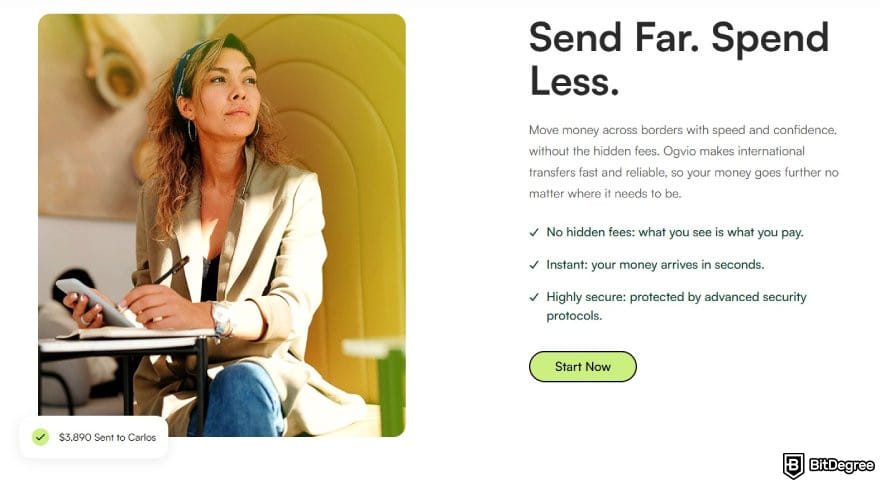
The platform also makes it easy to send money to local Nigerian bank accounts since it supports more than 100 of them. The fee is generally affordable, and you can always check it before you finalize any transfer, no sneaky hidden fees.
Additionally, Ogvio supports multiple cryptocurrencies on Base, giving you the option if you prefer sending funds to Nigeria anonymously.
As you can see, you’re not short of options when it comes to money transfer services in Nigeria. Many providers offer unique and useful features that make them great alternatives to PayPal. The choice is yours! Just make sure you pick the one that matches your needs and preferences.
How to Use Ogvio in Nigeria
As I mentioned earlier, Ogvio is one of the best PayPal alternatives in Nigeria. But how does it work? Here is how you can use Ogvio in Nigeria, starting from creating a new account, to withdrawing money to your own bank account.
Creating an Account
Making a new Ogvio account is very easy, and all you need is an email account. Take a look at this step-by-step guide to help you get started:
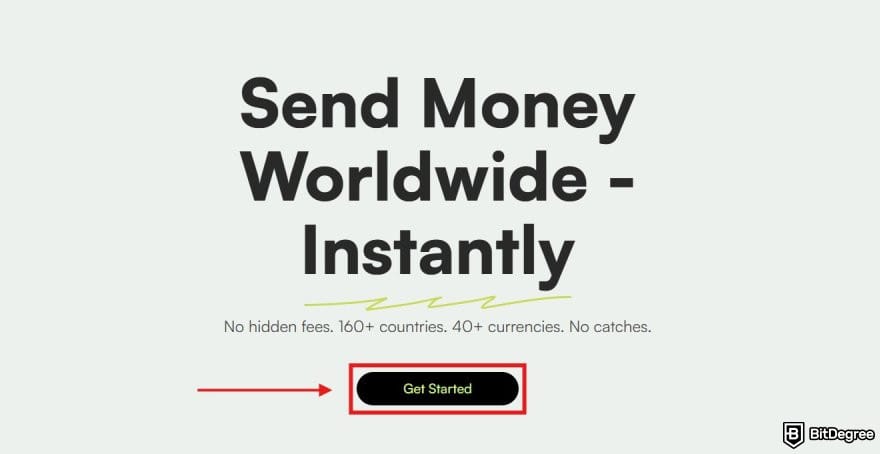
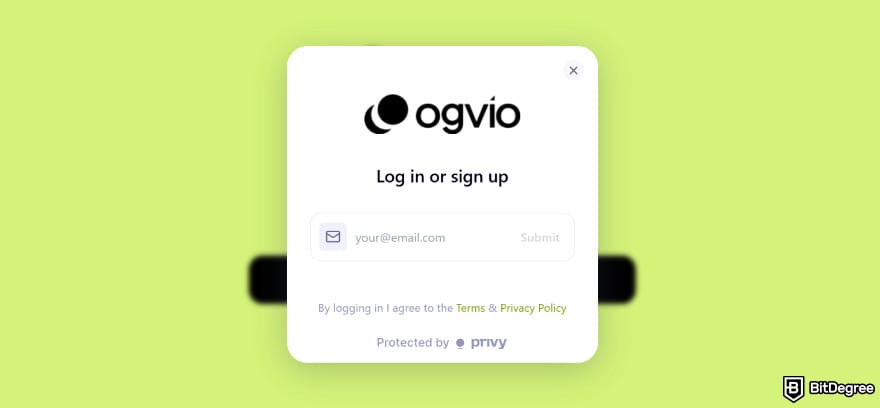
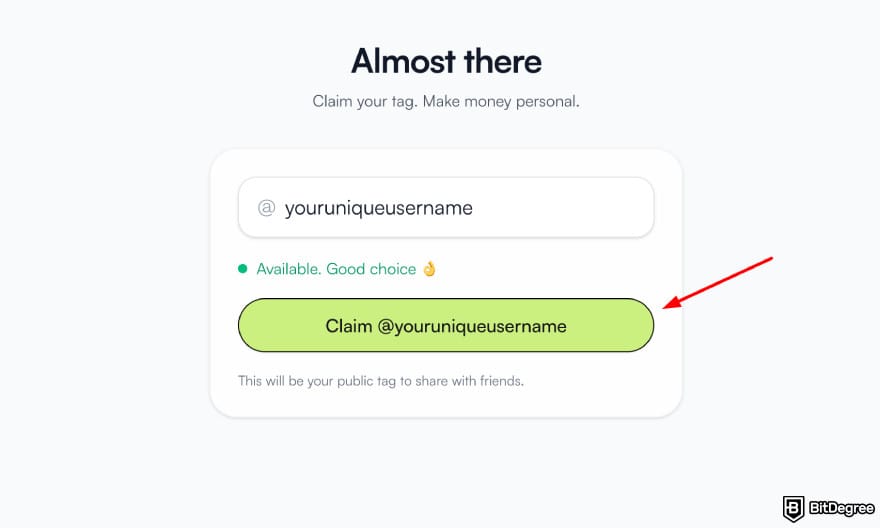
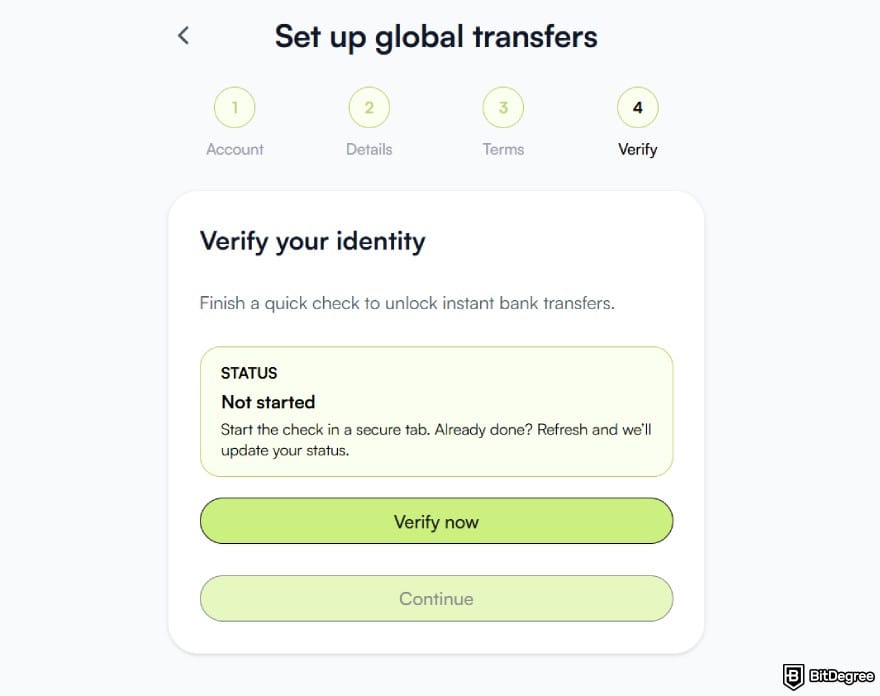
As you can see, the process will take you less than 3 minutes. While some features require you to verify your identity, you can send money to another Ogvio account or make crypto transfers without passing KYC.
Depositing Money
With the account ready, you can start depositing funds into your account. While Ogvio offers multiple deposit methods, I recommend using the bank transfer option, especially for Nigerian users. Here is how you can do it:
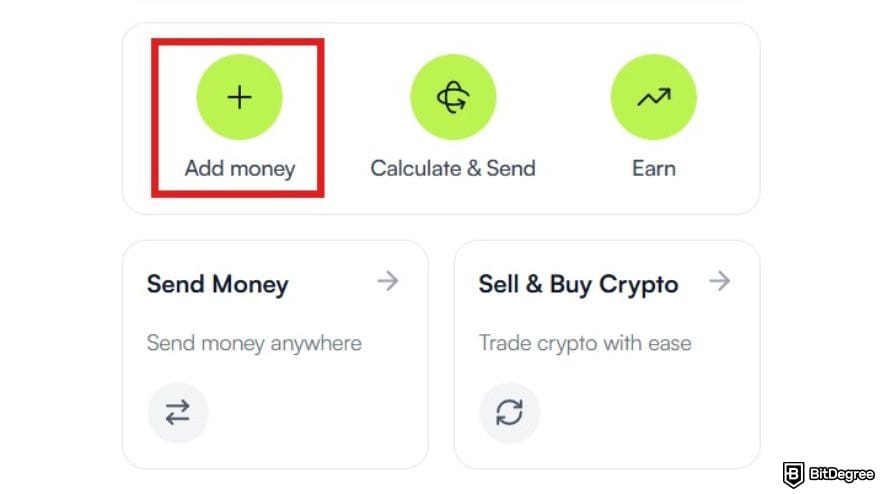
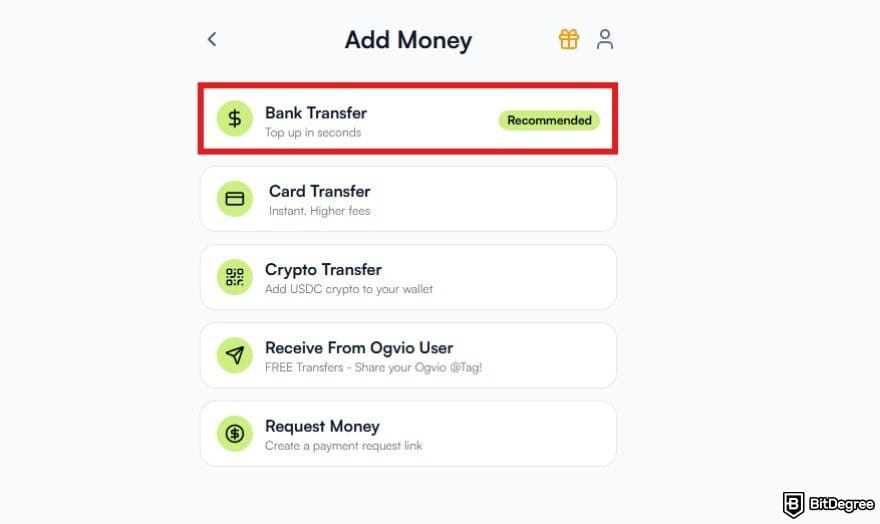
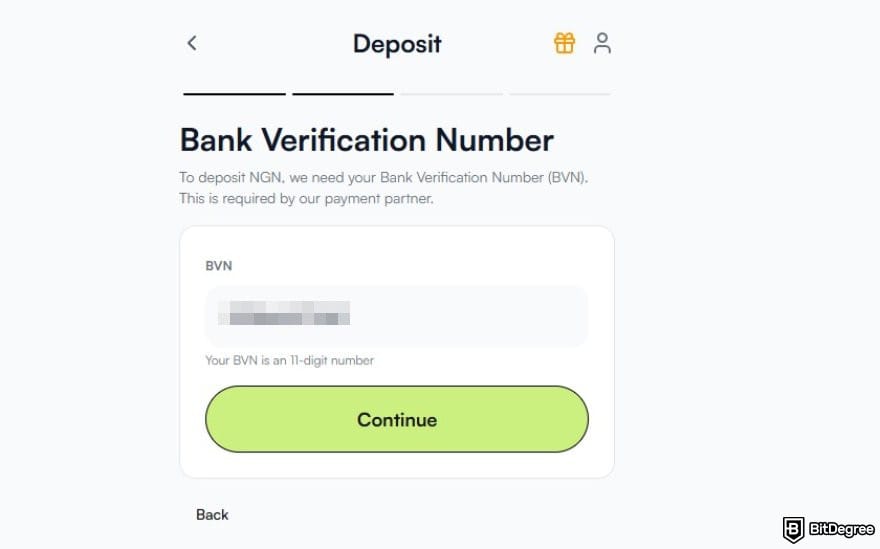
Ogvio will automatically convert your balance to either USD or EUR.
Ogvio will automatically convert your money to USD, and you can check how much you will get as you enter the deposit amount. Currently, there are no fees associated with bank transfer deposits on Ogvio.
Send Money
Once you have funds in your account, you can either hold them and earn passive income, swap them to any supported cryptocurrency on Base, or send the money to another person. Here is a step-by-step guide on how to send money using Ogvio:
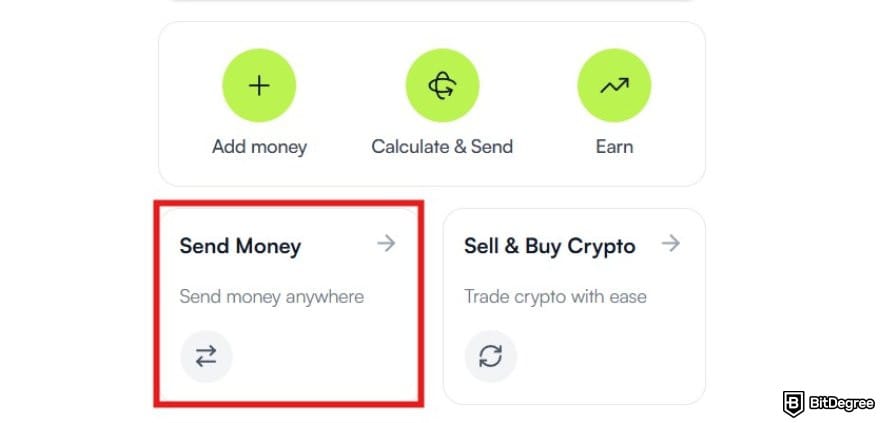
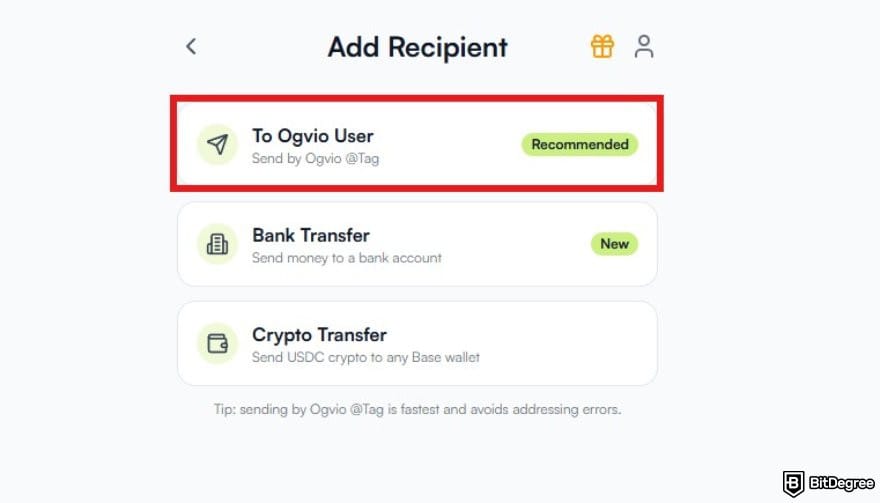
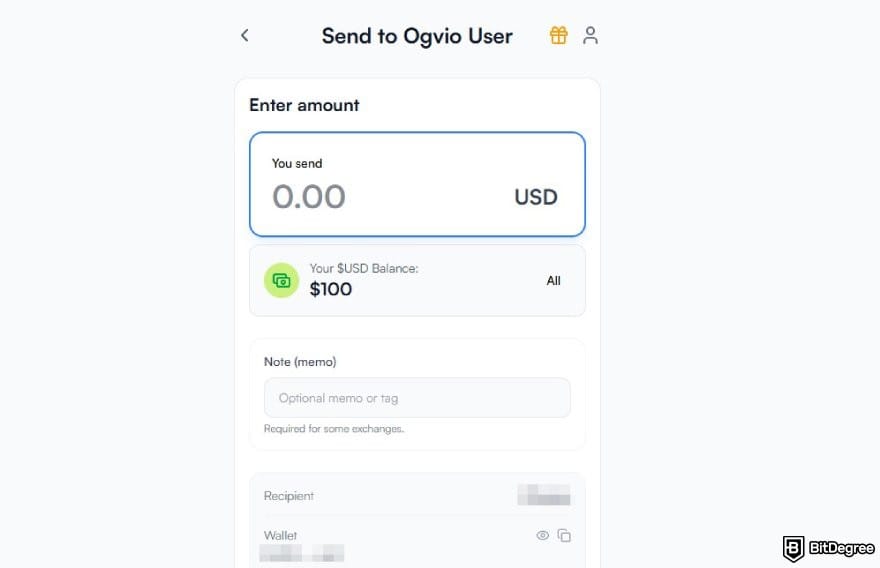
Sending money between Ogvio users is the easiest method you can choose. You don’t have to enter a long IBAN and risk sending money to the wrong person. It is also instant and free, making it a perfect method if you’re pressed for time and saving on cost.
Is Ogvio a PayPal Replacement?
Now, if you’re asking, “Can I use PayPal in Nigeria?” the answer today is technically yes, especially with developments like PayPal’s partnership with Paga. But the better question might be: Is it the most practical solution for your needs?
The same applies to Ogvio.
Ogvio can be a strong fit if you’re:
- A freelancer receiving international payments;
- A remote worker paid in USD or EUR;
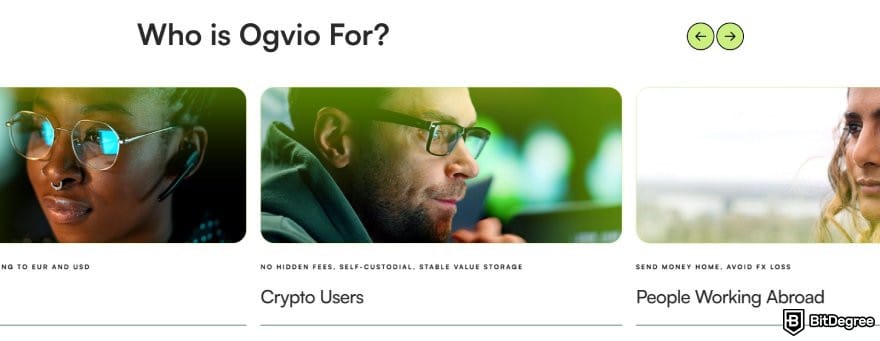
- Someone sending remittances regularly;
- Or, a user looking for multi-currency flexibility.
It may also appeal to people who want clearer fees, modern transfer tools like the @tag feature, and optional crypto integration alongside traditional transfers.
However, Ogvio might not be ideal for everyone. If you primarily shop online and don’t need to receive international payments, PayPal could still do the job.
Likewise, if you prefer sticking with long-established global brands and don’t mind layered fees or conversion spreads, you may feel more comfortable staying with PayPal.
📚 Read More: Ogvio VS PayPal
In short, Ogvio isn’t about replacing PayPal for every scenario. It’s about offering a more flexible alternative for Nigerians who want full send-and-receive functionality, better currency control, and fewer structural limitations.
PayPal's Fees in Nigeria
Despite all the limitations, some people may still choose to use PayPal, which is fair. It is a household name in the money transfer industry, and it can open up users to the extensive international market involving millions of merchants.
But before you decide to use PayPal or any other money transfer service, it is important to understand the fee structure to avoid hidden costs. After all, it is one of the main reasons people abandon money transfer apps.[2] Therefore, I've prepared a simple table to help you understand the fee structure better:
Receiving International Payments | 4.4% | Standard international fee for receiving funds into a Nigerian PayPal account |
|---|---|---|
Sending International Payments | 5% | Minimum $0.99, Maximum $4.99 when using PayPal balance or bank account |
Fixed Fee (USD) | $0.30 | Standard fixed fee applied to commercial transactions received |
Paga Withdrawal Flat Fee | $3 | Charged when moving funds from PayPal to the Paga Naira wallet |
Paga withdrawal % fee | 3% | The percentage fee applied to the value of each withdrawal |
Table: PayPal fees in Nigeria
Now, let's put this into a real-life scenario. Imagine you're a freelancer based in Nigeria, and your client is trying to send you $500 as payment for your service. Here is the breakdown of the applicable fees for this transaction:
- Receiving + fixed fee: 4.4%+$0.30= $22.30
- Withdrawing via Paga: $3+3%= $17.33
Keep in mind that fee structures may change from time-to-time. I recommend checking PayPal's official page for the most up-to-date information.
Based on those fees, the total amount you would receive after all the fees is $460.37. This means you'd be losing $39.6 before the money even reaches your bank account. So, does PayPal work in Nigeria? As of now, it does. But make sure you understand what you'll need to pay should you decide to use the service.
How to Create a PayPal Account in Nigeria
If you're not sure how to get started, here is a step-by-step guide on how to open a PayPal account in Nigeria:
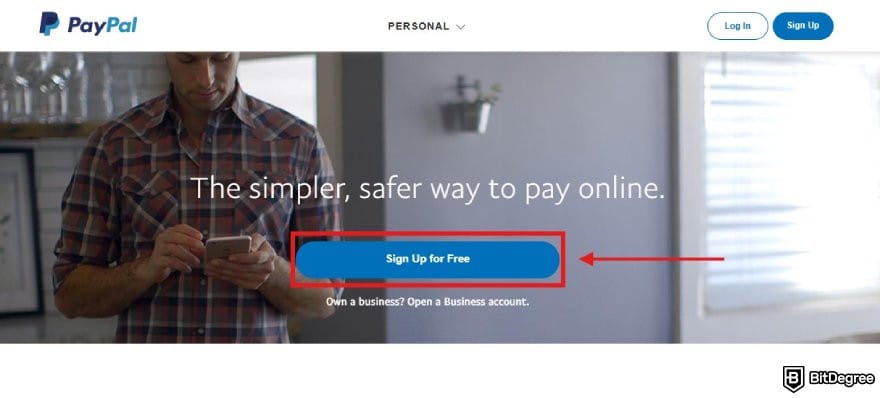
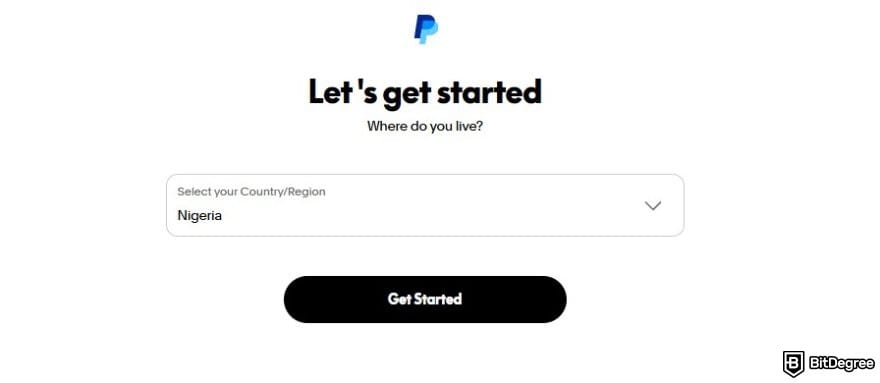
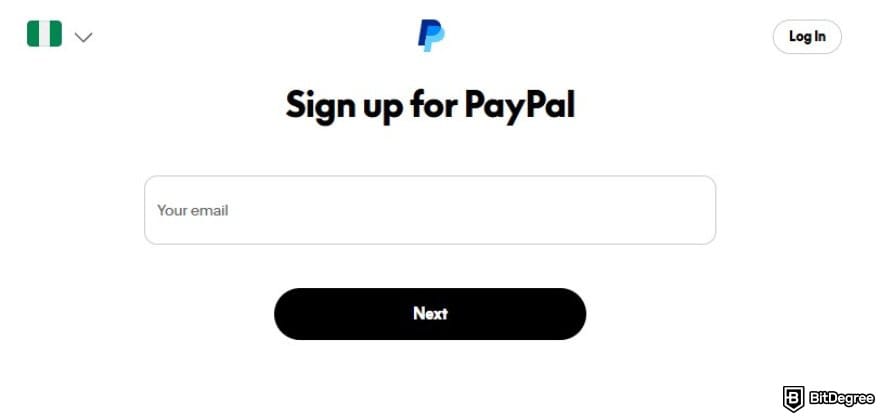
Now, you are ready to use your PayPal account to send money abroad or buy products and services from an international website. If you want to receive money from another country, you'll need to create a Paga account, then connect it to your PayPal account.
Browse our collection of the most thorough Crypto Exchange related articles, guides & tutorials. Always be in the know & make informed decisions!


Conclusions
Does PayPal work in Nigeria? The answer is yes. However, you need to keep in mind that you can only use the app to send money. So, if you wonder, "Can I receive money with PayPal in Nigeria?", currently you can't, at least not natively. But thanks to its partnership with the local fintech service Paga in early 2026, you now have a workaround for the restriction.
However, there are still limitations you need to keep in mind. Since the setup requires you to create two separate accounts, it can be a bit cumbersome. Additionally, sending and receiving money using PayPal may incur higher fees, depending on your preferred transfer method. Therefore, you might want to look for a better alternative.
Ogvio is one of the best PayPal alternatives in Nigeria. It offers multiple payment methods, a fast transfer process, and a transparent fee structure.
Now that you know PayPal is available in Nigeria, are you ready to make a new account? If not, which alternative piques your interest the most? Regardless of your answer, I hope this guide has helped you answer your question and find the best money transfer service that matches your needs and preferences.
Scientific References
1. Chukwuonye, C.: 'Financial Technology: A Comparative Analysis of the Legal Framework in Nigeria and UK';
2. Gurira, P.: ‘The Impact of International Money Transfer Cost Transparency on Remittance Flows to Emerging Economies'.
Send Money Worldwide
Check out the best ways to send money to other countries quickly, safely, and with minimal fees.

About Article's Experts & Analysts