Key Takeaways
- PayPal is available in India, but mainly for international payments, not everyday domestic use;
- The change is largely driven by India’s UPI system and local regulations, which reshaped how foreign payment apps operate;
- If PayPal feels limiting, alternatives like Ogvio, Wise and Payoneer offer more flexibility depending on what you need.

If you’ve ever tried using PayPal in India and wondered why it feels… different, you’re not imagining it. Many people search “Is PayPal available in India?” expecting the same experience they get in other countries, only to realize that things work very differently.
Yes, PayPal does operate in India, but mostly for international payments. So it no longer works as a full-featured money app for local use. What’s available now, then? That’s what I’ll cover in this article: PayPal's limitations and alternatives that work in India.
If you're looking for a quick answer, though, I recommend using Ogvio as the best alternative to PayPal in India.

Did you know?
Subscribe - We publish new crypto explainer videos every week!
5 Best Crypto Portfolio Diversification Strategies (Animated Explanation)

Table of Contents
- 1. Does PayPal Work in India?
- 1.1. Is PayPal Safe in India?
- 2. What You Can Do With PayPal in India
- 2.1. Receive Money From Abroad
- 2.2. Withdraw Funds to Your Indian Bank Account
- 2.3. Pay International Vendors
- 3. What You Can’t Do With PayPal in India
- 3.1. Send Money to Other PayPal Users in India
- 3.2. Keep Your Balance in PayPal
- 3.3. Pay Local Merchants
- 3.4. Use the PayPal Credit
- 4. PayPal Alternatives for India
- 4.1. Ogvio
- 4.2. Wise
- 4.3. Payoneer
- 4.4. Instamojo
- 5. Conclusions
Does PayPal Work in India?
Yes, PayPal does work in India, but only in a limited way. PayPal has stopped supporting domestic transactions, which means you can no longer:
Latest Changelly Coupon Found:- Send money to other PayPal users in India;
- Pay local merchants;
- Use it like an everyday wallet.
Instead, PayPal is now mainly used for international purposes. So that means receiving payments from abroad or paying international vendors.
This shift is largely because of regulatory pressure from the Reserve Bank of India (RBI) on data localization and anti-money laundering (AML). Around the same time, India also rolled out the Unified Payment Interface (UPI) that completely reshaped local payments.
Interestingly, this isn’t only about regulation. My take is that UPI exists to fix a real problem in India: online payments in India often fail due to friction or unreliable bank systems.[1] When you see those problems, it starts to make sense why global platforms like PayPal operate more cautiously.
Still, on the international side, PayPal works in India the same way it does elsewhere (I’ll cover this in the next chapter). So if you want an answer related to how to create a PayPal account in India, it’s all about understanding what you can and can’t do with the account once it’s set up.
Is PayPal Safe in India?
With all the regulation changes, it’s natural to wonder next: “Is PayPal safe in India?” From a security standpoint, yes. PayPal applies the same safety standards in India as it does in other countries, including encryption, fraud detection, and Buyer Protection.

But safety doesn’t always equal usefulness. PayPal may be secure, but its India-specific restrictions mean it’s not always the most practical option for everyday payments. In short, PayPal is safe in India, it’s just more limited in what it lets you do.
Looking for more in-depth information on related topics? We have gathered similar articles for you to spare your time. Take a look!


What You Can Do With PayPal in India
So, is PayPal available in India in a practical sense? Yes, as long as you’re using it for international payments. PayPal works best for Indian users who earn money from abroad or need to pay overseas vendors.
That’s why it’s especially popular with freelancers, consultants, digital creators, and small businesses working with international clients. Now, if that sounds like you, the way PayPal works in India can still be useful. Let’s walk through what you can do with the service today.
Receive Money From Abroad
The main use case for PayPal in India is receiving payments from abroad. Once your account is set up, overseas clients can pay you directly via PayPal, and the funds are withdrawn to your linked Indian bank account.

Keep in mind that PayPal limits international transfers from India (like it does from other countries) to $60,000 per transaction. But in practice, the range starts from $10,000, depending on your account verification status.
To make getting paid easier, PayPal also lets you create a PayPal.Me link. If you’re not familiar with it, it’s a personal payment link you can share with clients. So instead of sending your email address or other personal details, you can just send the link.
To create a PayPal.Me link, log in to your account and go to PayPal.Me. Next, choose a username and generate your unique link.
That said, receiving money through PayPal in India comes at a cost. PayPal treats most incoming payments as commercial transactions (payment for goods or services). These are charged a 4.40% fee, plus a fixed fee that depends on the currency.
PayPal lists the fixed fees for each currency, but I’ll highlight just a few:
Currency | PayPal Fee |
|---|---|
United States Dollar | 0.30 USD |
Euro | 0.35 EUR |
Australian Dollar | 0.30 AUD |
British Pounds | 0.20 GBP |
Singapore Dollar | 0.50 SGD |
Table: PayPal’s fixed fees for commercial transactions
Between the percentage and the fixed fee, PayPal can take a noticeable cut, especially on smaller payments. If you’re a freelancer receiving frequent or low-value transfers, those fees can definitely add up quick. So just keep this in mind before your transactions.
Withdraw Funds to Your Indian Bank Account
If you’re asking, “can I use PayPal in India and receive money from abroad?” - you can. After that, you can then withdraw it to your Indian bank account. But in this case, you won’t be holding the balance for too long (I’ll explain this in the next chapter).

One important detail is that PayPal automatically converts all incoming funds to INR before the withdrawal. Plus, settlement times are usually fast, with most withdrawals reaching your bank account instantly or within two to five working days.
PayPal supports linking accounts from most major Indian banks, including HDFC Bank, Axis Bank, Kotak Mahindra Bank, ICICI Bank, and several others.
Pay International Vendors
Another thing you can still do with PayPal is pay international vendors. So if you’re asking is PayPal available in India for online shopping or overseas payments, the answer here is yes.
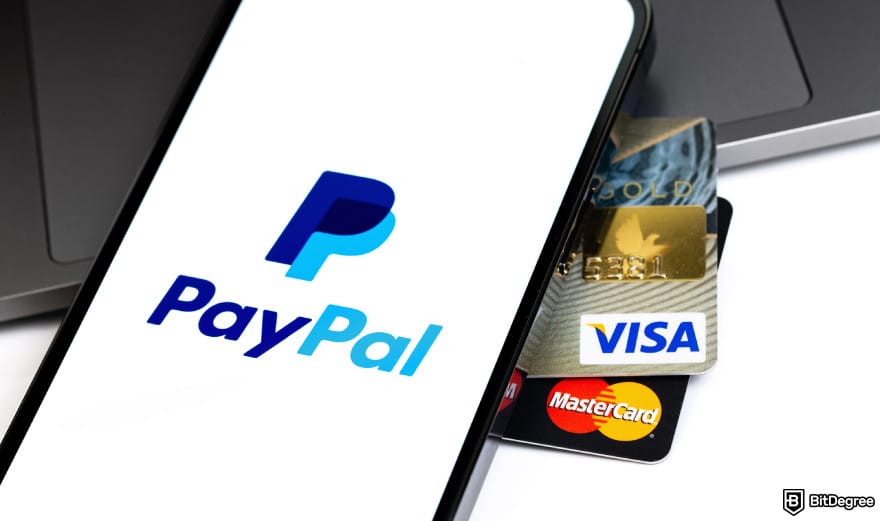 One of the main benefits here is a faster and safer checkout experience for international transactions. If you’re new to it, you can pay through PayPal that acts as a layer between the merchant and your bank.
Like previously mentioned, PayPal supports the same major banks in India for paying international vendors, too.
On top of that, PayPal offers Buyer Protection for eligible purchases. What this protection does is refund your money if something goes wrong with your order. The refund covers the full purchase price and the shipping fee.
So when it comes to how PayPal is in India, the picture is pretty clear. It works best as a tool for international payments. That said, these use cases also come with fees and automatic INR conversion.
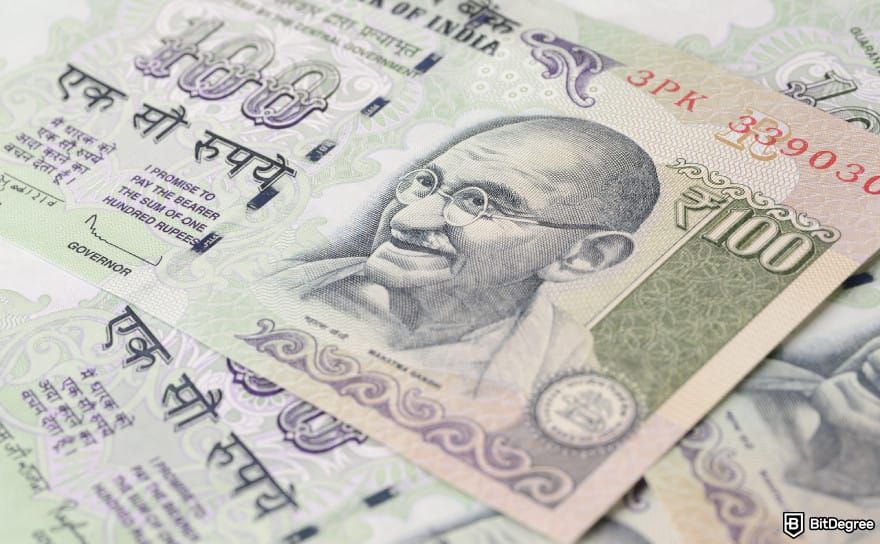
Understanding these limits and costs is a big part of learning how to use PayPal in India effectively (especially before relying on it as your main payment option).
📚 Read More: PayPal Review
What You Can’t Do With PayPal in India
This is where expectations need a reset. Is PayPal available in India the same way it’s available in other countries? Not exactly. Without further ado, here are the limitations for PayPal in India.
Did you know?
Subscribe - We publish new crypto explainer videos every week!
What Is a Neobank (And Should You Use It)?

Send Money to Other PayPal Users in India
One of the biggest limitations is domestic transfers. You can’t send money to other PayPal users who are also based in India. In other words, PayPal no longer works for local, person-to-person payments.
So before you look into ways of how to create a PayPal account in India, just keep these limitations in mind.
From my standpoint, that’s pretty fair. Using PayPal for domestic transfers in India would be an overkill anyway, especially when UPI and local wallets exist. For something like this, you’d want another app that does both: sending domestically and internationally.
Keep Your Balance in PayPal
Another major restriction is balance holding. When it comes to how to use PayPal in India, this is where it gets surprising. Any money you receive via PayPal in India is automatically withdrawn to your linked Indian bank account, usually within 24 hours. That quietly makes the bank on the other end a bigger decision than usual, since it’s where your PayPal income actually lives rather than a place it occasionally visits; if you’re opening a new account or thinking of switching, our best bank in India roundup is where to compare them.
And it works similarly if the money you receive is above $500. You can’t keep it in your PayPal account or use it to pay for anything. But from my research, you need to withdraw the money yourself (not automatically) within seven days.
The end result is the same: PayPal in India acts more like a temporary pass-through rather than a real wallet.
Pay Local Merchants
PayPal no longer supports domestic INR payments in India. You can’t use it to pay local merchants, shops, or services, even if both sides have PayPal accounts. In short, PayPal isn’t meant for everyday spending in India anymore.

For local purchases, India already relies heavily on UPI, which allows bank-to-bank money transfers via smartphone app and a unique ID, a Virtual Payment Address (VPA), or a QR code.
Use the PayPal Credit
PayPal Credit is a buy now, pay later feature available in some countries. It gives users the option for split payments or pay over time when shopping online.
In India, PayPal Credit isn’t available, but technically, it never rolled out. This again ties back to how payments work locally. With UPI handling instant bank-to-bank transfers and India’s own credit and Buy Now, Pay Later (BNPL) solutions already in place.
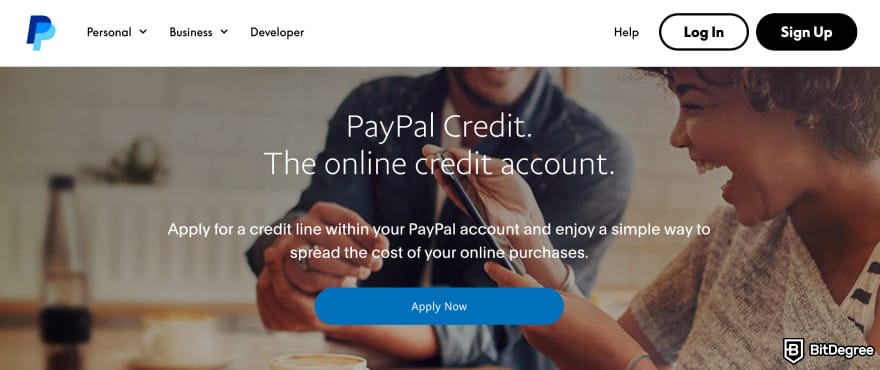
Taken together, these limits make PayPal less suitable for everyday or flexible spending. It still works for international payments, but relying on other apps that allow you to make local purchases or daily transactions is the next smart move.
PayPal Alternatives for India
PayPal alternatives exist for a simple reason: is PayPal in India in the way people expect it to be? Not quite. We’ve already covered how its limitations show up in real use, and once those start to matter, looking for other options makes sense.
For some, it’s the lack of domestic payments. For others, it’s automatic withdrawals or higher fees on international transactions. Here are some of the most relevant alternatives worth considering:
- Ogvio. A modern, neobank-style money app built for instant, low-fee transfers and crypto-friendly international payments.
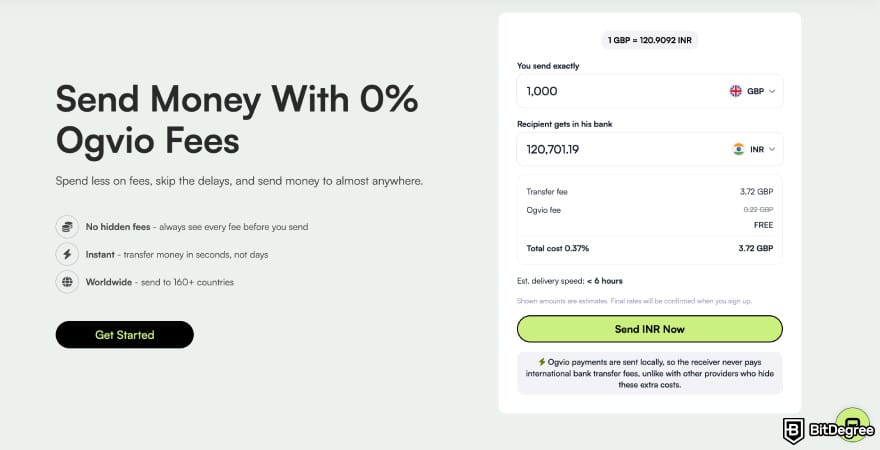
- Wise. A global money transfer service known for transparent fees and mid-market exchange rates.
- Payoneer. A popular choice for freelancers and businesses receiving international payments.
- Instamojo. An India-focused payment platform for easy local payments and online checkouts.
Some platforms have lower fees, and others use new or emerging technologies[2] (e.g. Ogvio with the blockchain application). Now, I’ll break down each of these alternatives one by one, starting with Ogvio.
Ogvio
Ogvio is a modern money app best for fast, low-cost transfers, with a neobank-style setup that works especially well in markets like India. It has multiple rails for money transfer and deposit, with options specific to the audience in India.
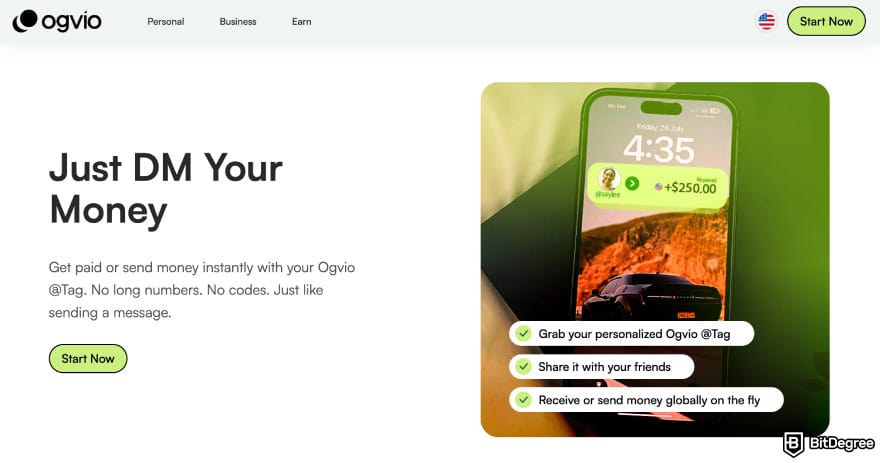
If you’re outside of the country, you can also send money to India quickly without running into PayPal-style limitations. So if you’re supporting family members in India, Ogvio is designed for exactly that. Just simple money transfers without the usual hassle.
Now, here’s a quick comparison between Ogvio and PayPal:
 |  | |
|---|---|---|
|
| |
| Per-transaction | Per-transaction | |
| | | |
| A global money transfer service with an additional volatile currency rate pegging to USD or EUR. | A trusted way to send money worldwide, though its fees are higher than newer payment apps. | |
| Visit site Read review | Visit site Read review |
Table: Quick comparison of Ogvio and PayPal
One of Ogvio’s standout features is its @Tag transfer system. Instead of dealing with long bank details, you can send money instantly to another Ogvio user using a unique @Tag (that works the same as your username).
With instant transfers, you’re not sacrificing speed for cost. Sending money to another Ogvio user is free.
When you do need to pay for the transfers, Ogvio keeps things predictable. Fees are either very low or shown upfront before you confirm anything. This is a big contrast to PayPal’s percentage-based (and sometimes, fixed) fees.
Ogvio also uses blockchain technology under the hood, which is what enables fast, low-cost transfers and crypto support. You can use Ogvio’s crypto features to receive or move funds on-chain, then convert and cash out directly to your bank account when needed.
And if the crypto part sounds intimidating, it doesn’t have to be. You can treat it purely as a transfer layer and still end up with INR in your bank account (or the receiver’s account, too).
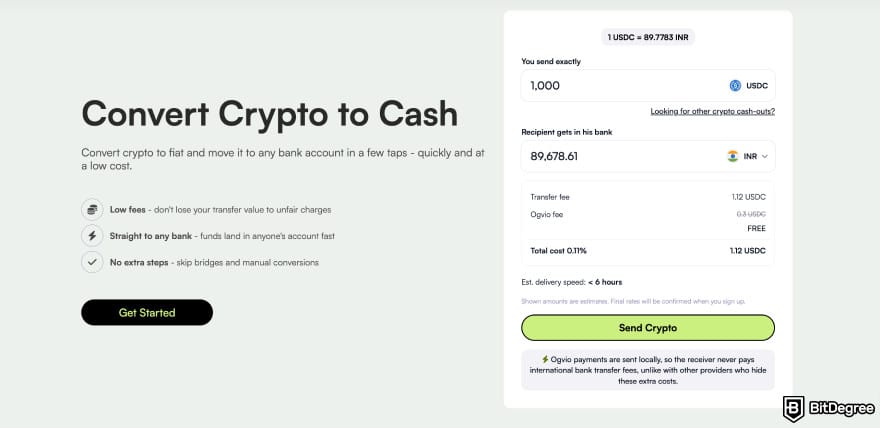
When it comes to security measures, Ogvio uses on-chain protection and 256-bit AES encryption. Plus, all Ogvio wallets are non-custodial. This means you stay in control of your money at all times.
That said, Ogvio isn’t perfect. While it’s fully available in India, it’s still rolling out globally, so some countries aren’t supported yet. Also, if you’re waiting to spend directly with a card, the Ogvio card is still in the works.
But if Ogvio already sounds like a better fit than PayPal for transfers and flexibility, the setup process is straightforward.
How to Use Ogvio
Getting started with Ogvio is simple. This process covers everything from signing up to making your first transfer.
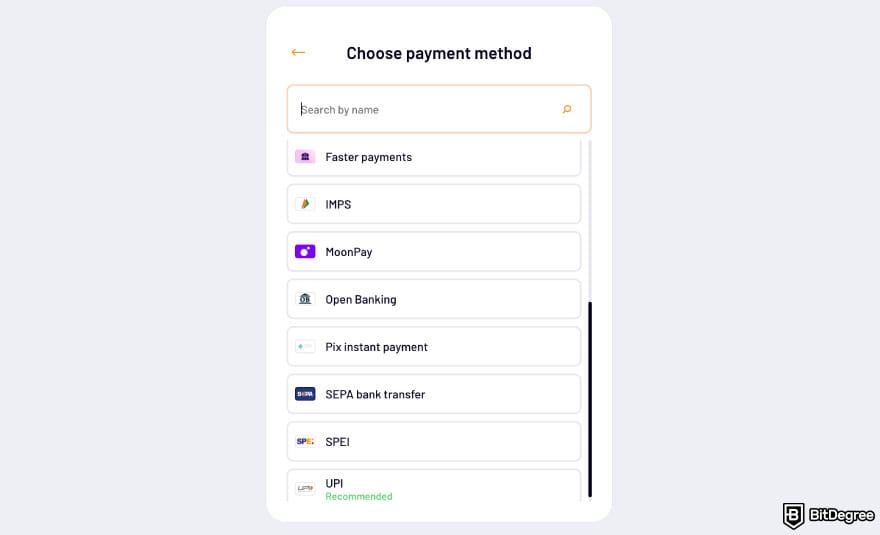
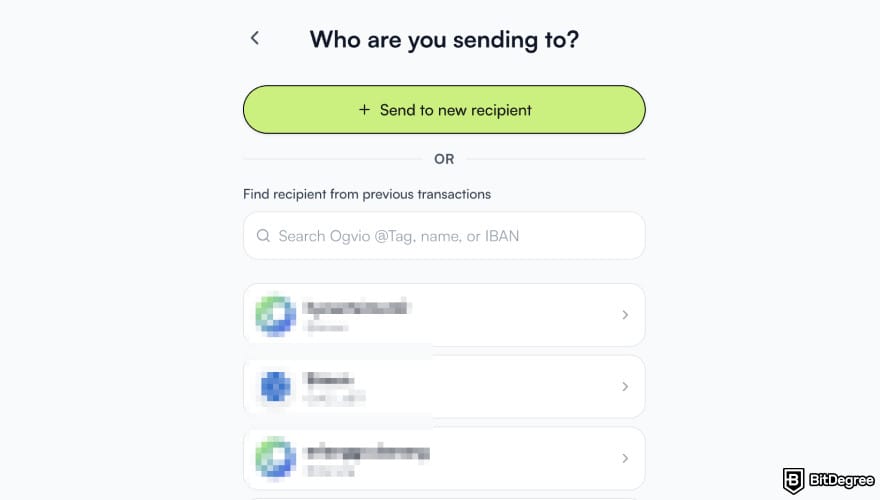
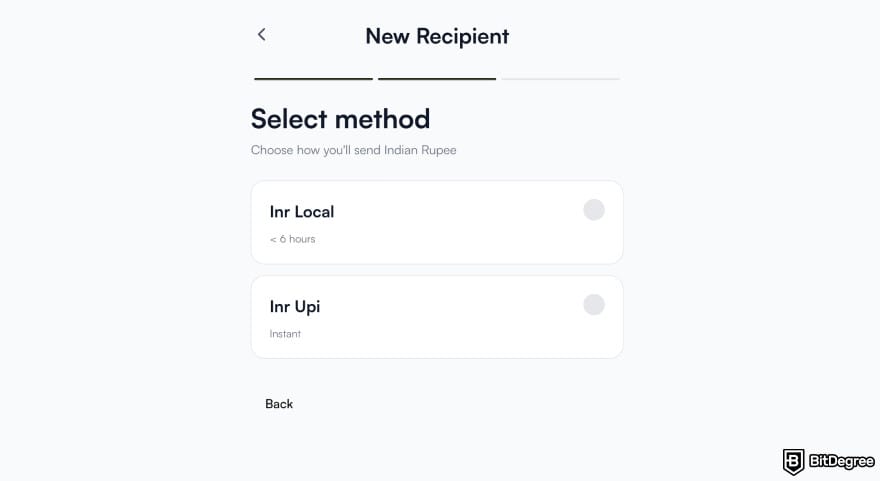
Finally, add your recipient's details and the amount of money to send. Ogvio will give you a final confirmation page before your transfer, so you don’t need to worry about your money being sent to the wrong account.
📚 Read More: Ogvio Review
Wise
Wise is a global money transfer service best known for transparent pricing and using the real mid-market exchange rate. It’s often listed as one of the best apps to send money to India because it’s straightforward, widely supported, and doesn’t hide FX markups in the rate.
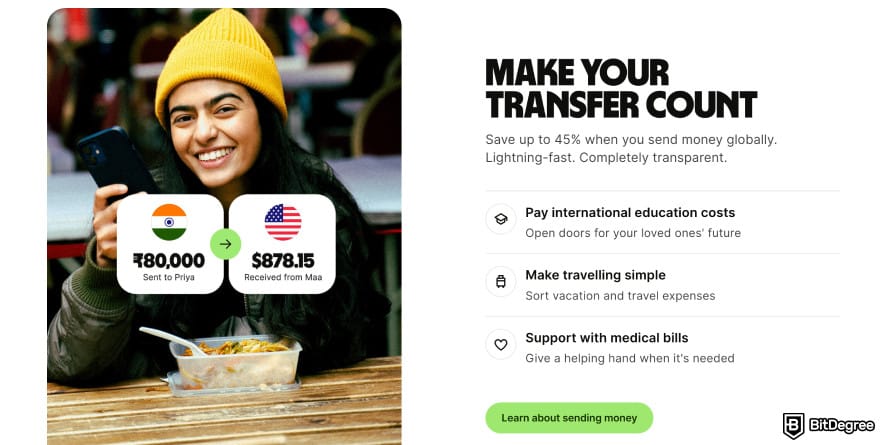
As a PayPal alternative, Wise works well if your main goal is international transfers rather than local payments. You can send money directly to Indian bank accounts, track transfers, and know upfront exactly how much your recipient will get. It’s very much "send money from A to B," cleanly.
Feature-wise, the app supports bank transfers, cards, and local rails depending on the sending country. Delivery to India usually takes hours or one business day, and everything is handled inside the app.
Fees are transparent and relatively low. Wise charges a small percentage-based fee plus a fixed component (which you’ll see before confirming the transfer). The exchange rate is the mid-market rate, which is a big plus compared to platforms that bake margins into FX.
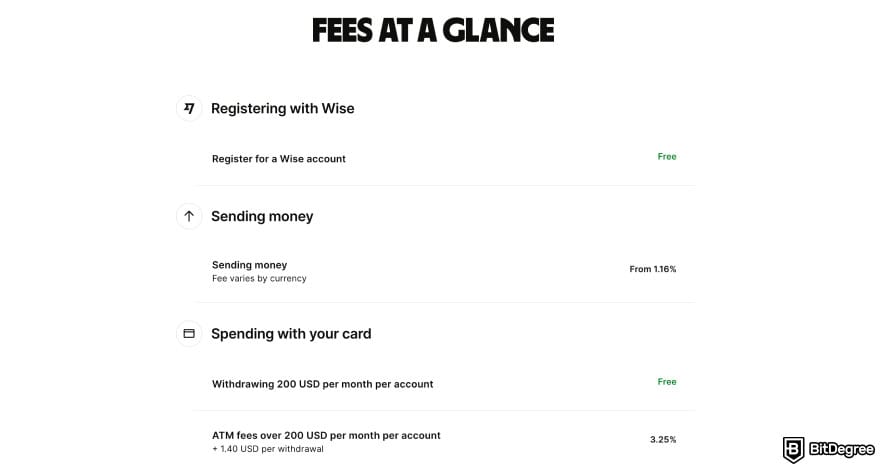
The main limitation for Wise in India: the costs are very case-by-case, so you don’t have a clear picture of what you’ll pay cause it can be different every time. Plus, the app’s UX feels more intermediate-level, meaning it’s not quite as beginner-friendly as PayPal for first-time use.
How to Use Wise
Now, let’s go through how to start with Wise. I’ll show you how to create an account and complete your first transfer.
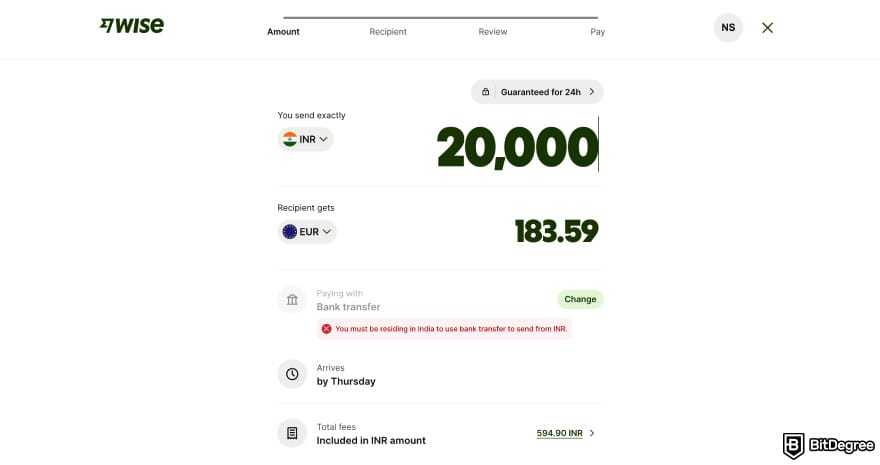
Once sent, the money arrives in INR directly into the recipient’s bank account or via UPI. In many cases, options like UPI or IMPS make transfer land pretty quickly.
Wise is a solid option if you want predictable pricing, fast delivery, and no surprises when sending money to India. It won’t replace PayPal for receiving payments or running a business, but for clean international transfers, it does exactly what it promises.
📚 Read More: Wise VS PayPal
Payoneer
Payoneer is a global payment service for receiving money from abroad, and it’s available in 190+ countries. It’s commonly used by freelancers, online sellers, and businesses that work with international clients (which touches on the same things as how PayPal is available in India).

When it comes to features, Payoneer overlaps a lot with PayPal. You can receive payments from overseas companies and then withdraw funds to your local bank account.
That said, Payoneer leans more toward freelancers and cross-border business payments rather than everyday personal transfers.
Compared to PayPal, Payoneer works well with platforms like Upwork, Fiverr, Amazon, and other global marketplaces. Transfers are generally reliable, though not always instant. Depending on the source, payouts can happen instantly or up to seven business days.
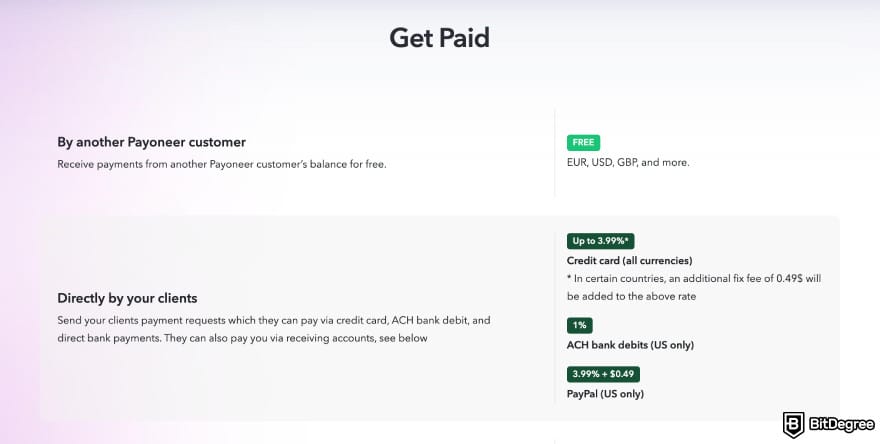
Fees are something to keep in mind. Payoneer uses a per-transaction pricing model, with fees that can go up to around 3.99% depending on how you receive the money and where it’s coming from.
On the security side, Payoneer has 2FA, device verification, and card freeze. While it’s pretty typical for a money transfer, it’s enough to keep your day-to-day transactions secure.
As for limitations, Payoneer’s top-up methods aren’t always the most India-friendly. There’s ACH, SEPA, EFT, and SWIFT, among others, but they’re not native to India. Plus, some say the onboarding process can take a while. But if Payoneer fits your case, the next section talks about how you can get started.
How to Use Payoneer
Getting started with Payoneer mainly involves setting up your account and linking it to your payment sources.
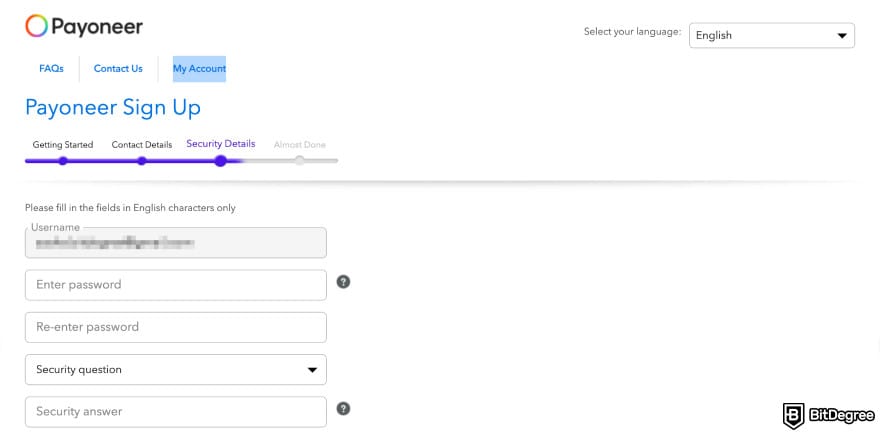
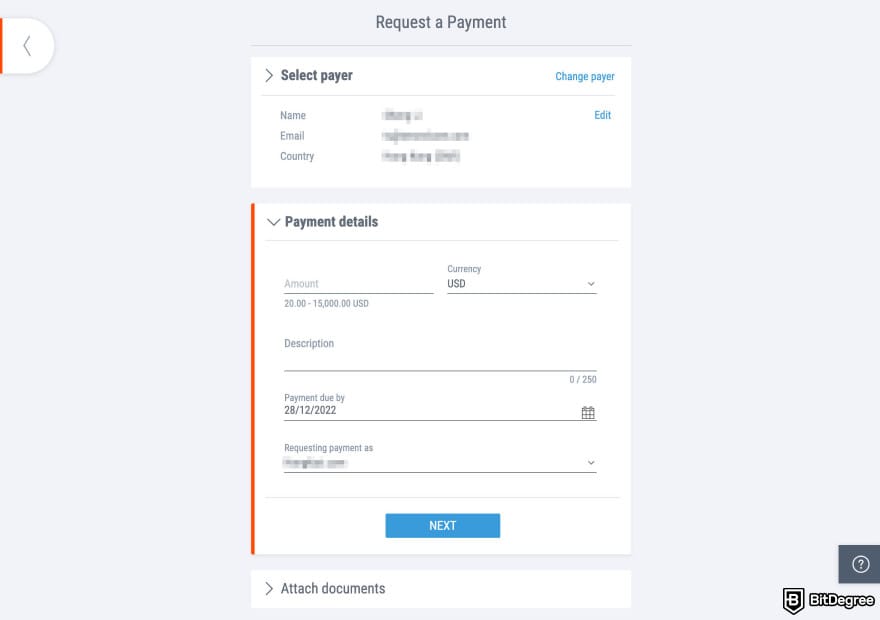
Once everything is set up, Payoneer works quietly in the background. It makes it easy to get paid by overseas clients without having to manage complex international banking details.
Instamojo
Instamojo is an India-based payments platform built for small businesses, creators, and online sellers who needs a simple way to accept local payments. Unlike PayPal, Instamojo is designed specifically for INR-based collections.
One important thing to know is that Instamojo is receive-only. You can accept payments from customers, but you can’t send money to other users or make outbound transfers. This makes it more of a payment collection tool than a full money wallet.

But its biggest advantage is covering what PayPal no longer does. You can receive payments from Indian customers using UPI, cards, and net banking, which makes it far more practical for local sales and day-to-day business needs.
For transfer speeds, Instamojo has a few options. You can choose instant through UPI payments, same day, next day, or up to three business days. This also depends on whether you use cards or net-banking payments. Fees are charged per transaction.
Instamojo also offers tools like payment links, basic online stores, and digital product sales, which make it useful even if you don’t run a full website.
The main limitation is scope. Instamojo is focused on India only, and you can’t use it to send money to others (unless you’re paying a merchant).
How to Use Instamojo
Instamojo is easy to set up and use for users based in India.
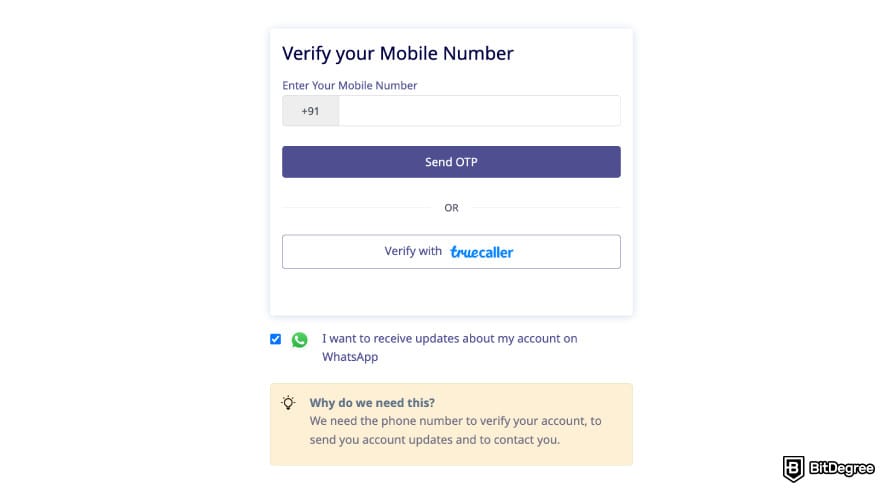
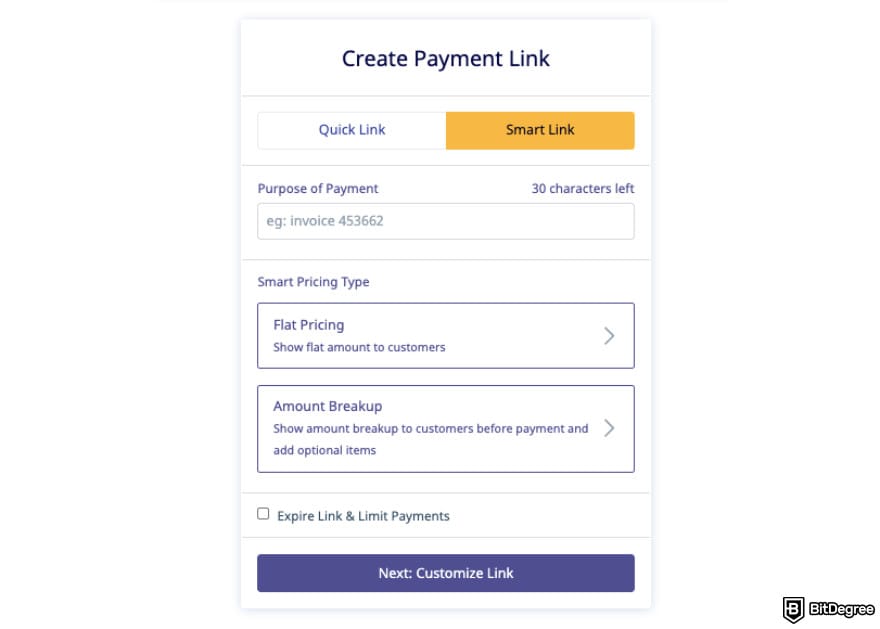
Instamojo works best for domestic payments in India. It doesn’t replace PayPal for international use, but it fills the local payment gap very well.
📚 Read More: PayPal Alternatives
Browse our collection of the most thorough Crypto Exchange related articles, guides & tutorials. Always be in the know & make informed decisions!

Conclusions
So, is PayPal available in India? Yes, but it’s limited. It works mainly for receiving payments, while features like domestic transfers, holding a balance, or paying locally aren’t supported.
Because of that, many users end up looking for alternatives to match their needs. Apps like Wise, Payoneer, and Instamojo cover different use cases, from international payments to local business transactions.
If you’re looking for the most flexible option overall, Ogvio stands out. It works in India without the same restrictions, offers fast, low-to-free international transfer costs, and adds crypto-friendly features on top.
You can sign up for Ogvio today to send and receive money freely, and even earn rewards by inviting friends for instant, fee-free transfers.
Scientific References
1. Joseph N., Mazzotta B.: ‘Citrus: India's Answer to Paypal?’;
2. Trautman L.: ‘E-Commerce, Cyber, and Electronic Payment System Risks: Lessons from PayPal’.
Send Money Worldwide
Check out the best ways to send money to other countries quickly, safely, and with minimal fees.

































About Article's Experts & Analysts