Key Takeaways
- Not everyone in Nigeria has reliable access to traditional banks, which pushes many people toward informal transfer methods;
- The UK side is straightforward with no government cap, clear platform limits, and standard compliance checks;
- Ogvio gives you multiple ways to transfer money from the UK to Nigeria without relying on informal routes.
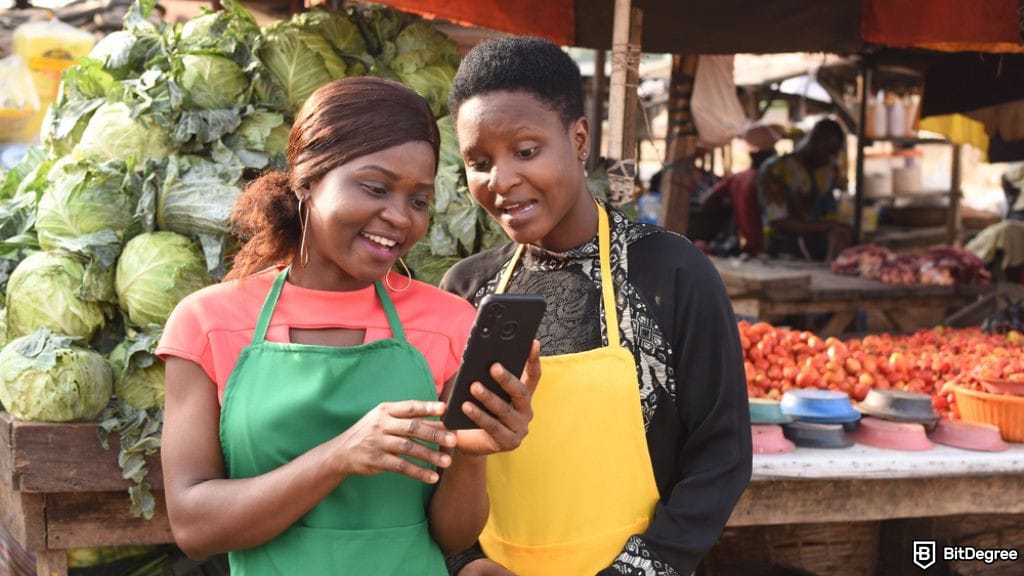
Just because platforms like PayPal or other major services work smoothly in the UK doesn’t mean they work the same way in Nigeria. Understanding how to send money to Nigeria from the UK means recognizing that not every country operates under the same banking access, infrastructure, or payout options.
That’s why understanding how the money actually flows on both sides matters. In this guide, I break down the safest and most practical ways to send money from the UK to Nigeria, what UK senders should expect, and how platforms like Ogvio simplify the process.

Did you know?
Subscribe - We publish new crypto explainer videos every week!
How to Avoid Major Crypto Investment Risks? (Beginner-Friendly)


Table of Contents
- 1. Informal Money Transfers: How UK-Nigeria Remittances Really Work
- 2. Ogvio: A Modern Alternative to Hawala and Bank Delays
- 3. Open Your Ogvio Account
- 4. Add Funds to Your Ogvio Balance
- 5. Send Your Money
- 5.1. Send Money to Nigeria Without Using a Bank Account
- 5.2. Send Money to a Nigerian Bank Account
- 5.3. Send Money to Nigeria Using Crypto
- 5.4. Pay Nigerian Users with a Payment Link
- 6. Which Is the Best Method to Send Money From the UK to Nigeria?
- 7. Things UK Senders Need to Be Aware Of When Sending Money to Nigeria
- 8. Conclusions
Informal Money Transfers: How UK-Nigeria Remittances Really Work
Understanding how to send money from the UK to Nigeria starts with knowing which remittance channels actually work in practice. And honestly, it’s not always straightforward. Formal options like banks can be slow or expensive, which is why many Nigerians still operate outside the traditional financial system.
Latest Changelly Coupon Found:According to the EFInA Access to Financial Services in Nigeria (A2F) 2023 survey, only 64% of Nigerian adults have an account with a formal financial institution. That leaves a significant portion of the population either underbanked or completely unbanked.
Among those without bank accounts, around two million people cited a lack of trust in banks as the main reason. Nigeria’s banking system has had its fair share of “messy moments”. Over the years, several banks have collapsed or lost their licenses due to poor management, weak internal controls, and insider fraud.
Things hit a breaking point in the late 2000s, when the Central Bank of Nigeria (CBN) had to step in. CEOs were fired, audits exposed major financial gaps, and the government had to bail out struggling banks to stop the system from crashing.

This distrust is especially common among low-income earners and people in rural areas, where community-based systems are often seen as safer and more reliable.
For example, many Nigerians rely on “ajo” and “esusu” when saving money. These are traditional, community-based savings systems where members contribute money regularly and take turns receiving the pooled funds. Because they’re built on personal relationships and social accountability, many Nigerians trust these systems more than formal banks.
The same happens to remittance routes for international transfers. Many turn to informal or unregulated services like crypto transfers and “hawala”.
Hawala is an informal, trust-based money transfer system where money doesn’t actually cross borders. Instead, local agents in different countries settle payments between themselves using cash, IOUs, or future offsets.
Research on Nigeria-UK transfers[1] shows how these informal networks operate in real life. Rather than sending money internationally through banks, the Nigerian diaspora in the UK helps balance the flow of funds. When money needs to move from Nigeria to the UK (or vice versa), the transactions are matched locally on both sides.
Here’s how it typically works when someone wants to transfer money from UK to Nigeria:
1
Money in Nigeria is collected by local Bureau de Change operators (BDCs).
2
These BDCs stay in contact with informal operators in the UK.
3
The UK operators already hold pools of cash in pounds sterling.
4
Using that cash, they pay the equivalent amount directly into a UK bank account. No international bank transfer happens at that moment.
Because this system relies on trust between operators, the money can move quickly and in large amounts, but outside formal banking rules and regulatory oversight.
If you transfer money to Nigeria from UK, the process is technically reversed. The sender gives pounds to a trusted operator in the UK, who then contacts a partner in Nigeria to pay the recipient in naira using local cash or a bank deposit.
The two operators settle balances later through cash, IOUs, or future transfers, meaning the value moves without money actually crossing borders.
Looking for more in-depth information on related topics? We have gathered similar articles for you to spare your time. Take a look!


Ogvio: A Modern Alternative to Hawala and Bank Delays
The existence of these informal routes explains why systems like hawala haven’t disappeared. They’re quick, widely understood, and often more reliable than banks in practice, especially when speed and accessibility matter. But they also come with obvious downsides: no consumer protection, no transparency, and no guarantees if something goes wrong.
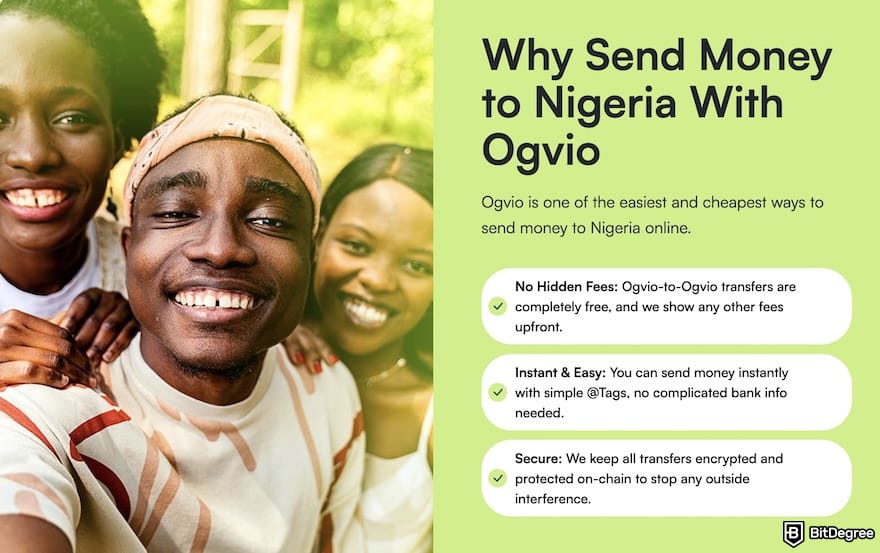
For people who do have access to banking or digital wallets, there are now modern apps to send money from UK to Nigeria. They combine the speed people like about informal systems with the safety and structure of formal finance, and one of those platforms is Ogvio.
Ogvio lets you send money from the UK to Nigeria using clear, trackable methods, including bank transfers and crypto.
Instead of informal cash pools and IOUs, you get transparent fees, visible processing times, and a regulated flow from sender to recipient. Moreover, it’s fully capable of both sending and receiving money, unlike some platforms that only support outbound payments or block withdrawals to Nigerian bank accounts.
Ogvio uses Faster Payments as its UK payment rail for account top-ups or cash outs. It’s a 24/7, real-time system that allows money to move instantly from UK bank accounts, usually within seconds, even on weekends and holidays. On Nigeria's side, it also uses local payment rails to support instant bank transfers.
If you’re learning how to transfer money to Nigeria from UK as a business owner, you can access Ogvio’s dedicated business features. It’s designed for companies to manage international payments more efficiently.
Through the business portal, you can:
- Save money on transfers due to the competitive rates offered by Ogvio;
- Reach people where other platforms can't;
- Request custom business features;
- Send crypto as cash.
That said, in the next section, I’ll walk through how sending money to Nigeria from the UK with Ogvio actually works, step by step, and which option makes the most sense depending on your situation.
📚 Read More: Ogvio Review
Open Your Ogvio Account
Before you can move any money, you’ll need an Ogvio account. Don’t worry, getting started is fast and low-effort because you don’t have to submit ID documents or complete facial checks just to access the platform. Follow these steps to get started:
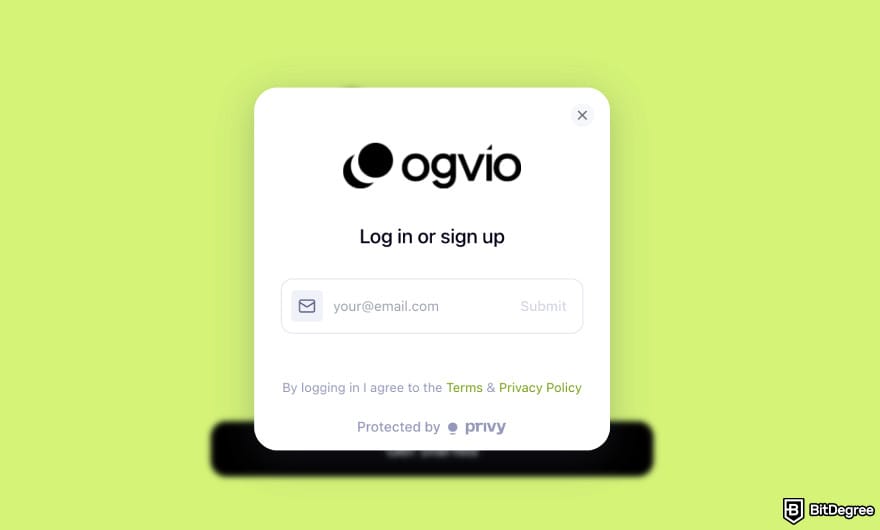
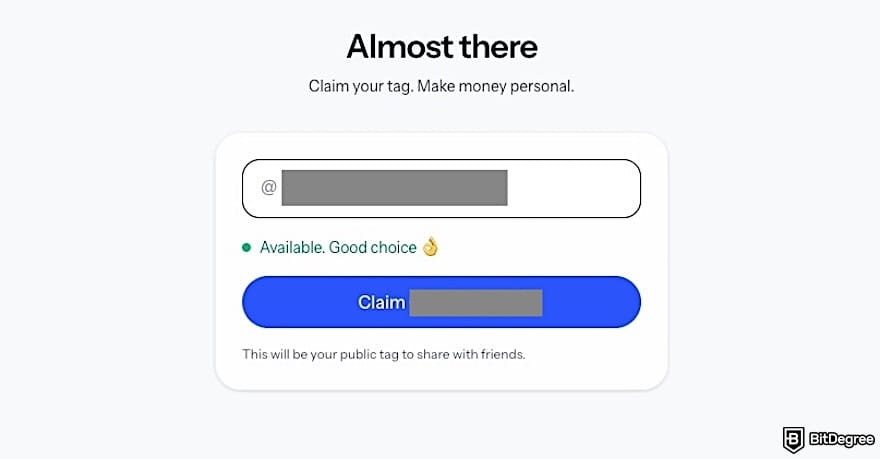
Feel free to access Ogvio’s Business page if you’re sending money from the UK as a business owner. The business platform is built for companies that need more than basic transfers.
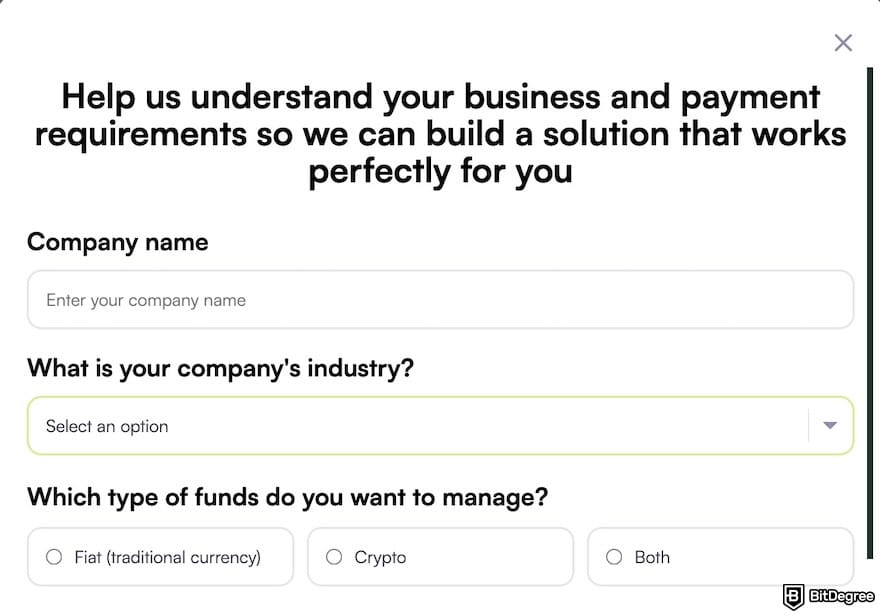
First, you need to enter your business details, like the type of funds you want to manage and transaction volume. Then, Ogvio Business Manager will review your profile and contact you to discuss a custom solution that matches your company’s needs.
Add Funds to Your Ogvio Balance
After setting up your account, the next move is funding it. Ogvio supports multiple top-up methods: bank transfers, crypto, and card payments. For the card transfer, UK customers can use debit/credit cards, Apple Pay or Google Pay, and even PayPal.
In this article, I’ll show you how to deposit via bank transfer:
![How to send money to Nigeria from UK: an arrow pointing at the [Add Money] menu on Ogvio.](https://assets.bitdegree.org/images/how-to-send-money-to-nigeria-from-uk-ogvio-dashboard-add-money.jpg "How to send money to Nigeria from UK: an arrow pointing at the [Add Money] menu on Ogvio.")
![How to Send Money to Nigeria From the UK: a list of Ogvio's top-up options with the [Bank Transfer] menu outlined.](https://assets.bitdegree.org/images/how-to-send-money-to-nigeria-from-uk-ogvio-top-up-methods-bank-transfer.jpg "How to Send Money to Nigeria From the UK: a list of Ogvio's top-up options with the [Bank Transfer] menu outlined.")
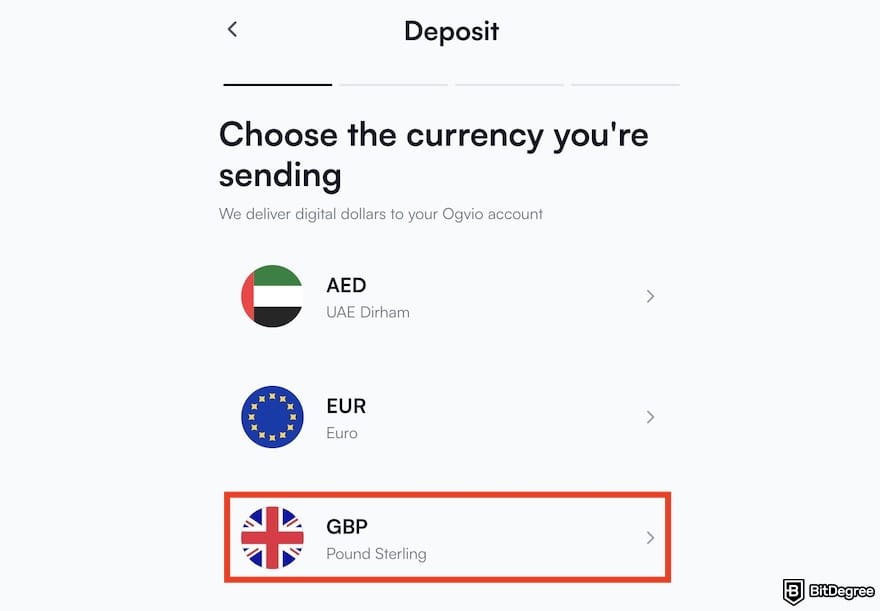
As I've mentioned before, Ogvio uses Faster Payments as its UK payment transfer system. It’s a widely adopted payment network in the country that enables near-instant low-value bank transfers and offers more flexibility and speed compared to traditional options like BACS and CHAPS.
This means your money typically arrives almost instantly on Ogvio, without the long processing times or delays you’d normally experience with older bank transfer methods.
Send Your Money
After your account is ready and your balance is topped up, you can choose how to transfer money to Nigeria from UK. Ogvio supports multiple ways to transfer money to Nigeria from UK, including @Tag transfers, bank payments, crypto transfers, and payment links.
Send Money to Nigeria Without Using a Bank Account
One of Ogvio’s biggest perks is how easy it is to send money directly to another Ogvio user. These transfers are instant, free, and don’t require KYC. You won’t need bank details, cards, or long forms because you’ll only use the recipient’s @Tag. Here’s how it works:
![How to send money to Nigeria from UK: the [Send Money] button on Ogvio's dashboard outlined.](https://assets.bitdegree.org/images/how-to-send-money-to-nigeria-from-uk-ogvio-send-money-outlined.jpg "How to send money to Nigeria from UK: the [Send Money] button on Ogvio's dashboard outlined.")
![How to Send Money to Nigeria From the UK: Ogvio transfer menus, with [Ogvio user] outlined.](https://assets.bitdegree.org/images/how-to-send-money-to-nigeria-from-uk-ogvio-transfer-methods-ogvio-user.jpg "How to Send Money to Nigeria From the UK: Ogvio transfer menus, with [Ogvio user] outlined.")
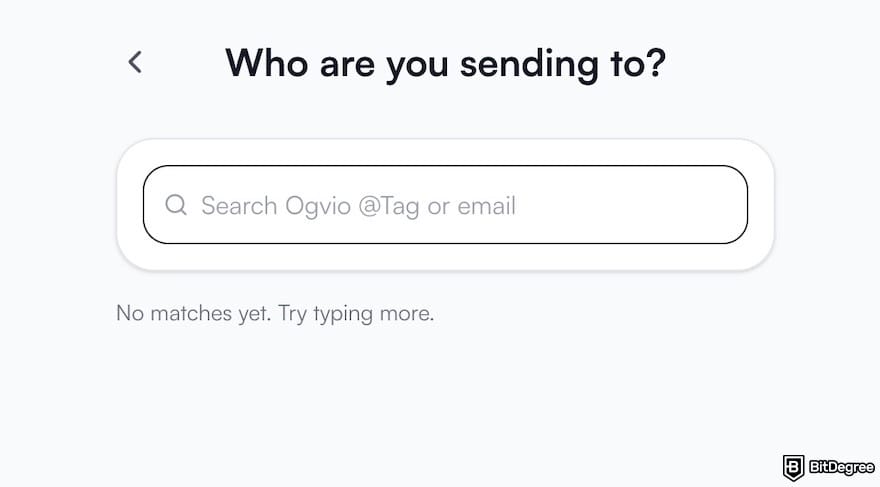
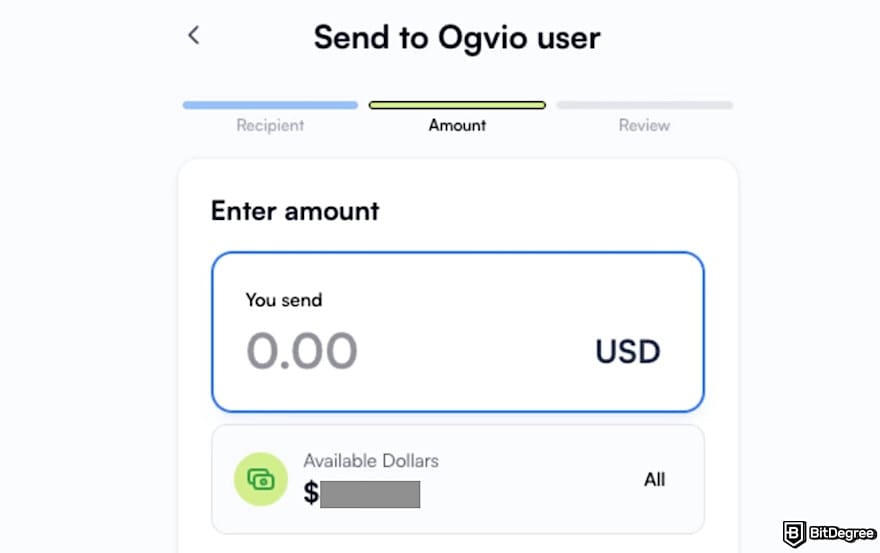
The money arrives instantly, with no processing delays or extra fees. Just make sure the Nigerian recipient already has an Ogvio account and has set up their @Tag correctly, as transfers between Ogvio users rely on this tag to route funds.
Send Money to a Nigerian Bank Account
If you’d rather send funds straight to a bank account, Ogvio supports transfers to Nigerian banks, including the major ones like Access Bank and Polaris Bank, as well as digital options like Kuda and FairMoney.
Even if the balance from a UK sender starts in GBP, Ogvio converts it to USD or EUR automatically. When you choose Nigerian naira (NGN) as the payout currency, the recipient receives NGN directly with no manual conversion needed. Here’s how to send money to Nigeria from UK via bank accounts:
![How to send money to Nigeria from UK: a list of Ogvio's transfer options, with [Bank transfer] highlighted.](https://assets.bitdegree.org/images/how-to-send-money-to-nigeria-from-uk-ogvio-transfer-methods.jpg "How to send money to Nigeria from UK: a list of Ogvio's transfer options, with [Bank transfer] highlighted.")
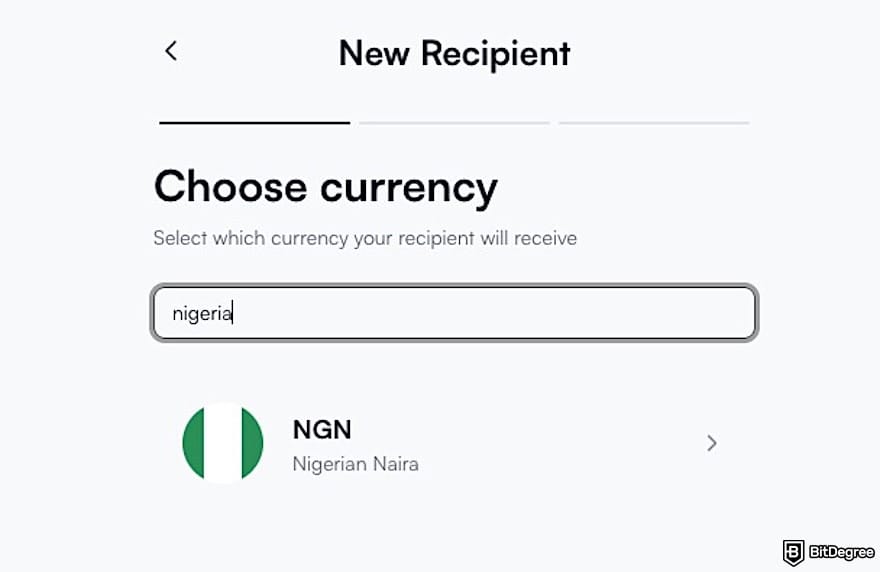
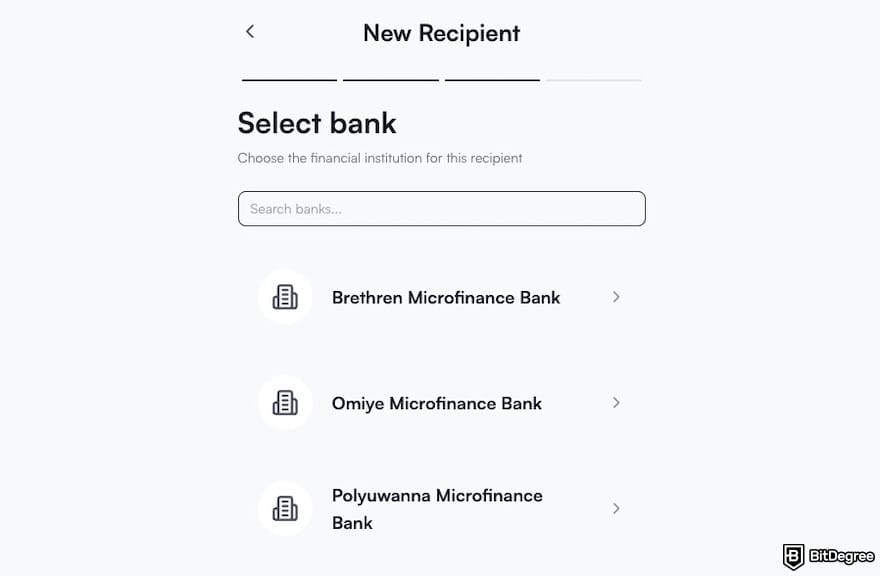
After confirming the transfer, Ogvio will show an estimated processing time so you know what to expect. In my experience, the actual transfer often arrives much faster than the estimate.
At that time, Ogvio displayed a waiting time of up to 6 hours, but I’ve received funds in just a few minutes. Processing times can vary by bank, but Ogvio keeps everything transparent so you’re never left guessing.
📚 Read More: Best Way to Transfer Money Between Banks
Send Money to Nigeria Using Crypto
When speed matters or when bank transfers aren’t ideal, crypto is often the fastest option, especially when the recipient prefers holding digital tokens before withdrawing later. Ogvio keeps everything in-app, so you don’t need external wallets or advanced knowledge.
At the time of writing, Ogvio only supports USDC on the Base network for money transfers. So before sending, make sure the Nigerian recipient provides a USDC (Base) if you're sending to an external wallet.
Follow this step-by-step tutorial to send USDC to Nigeria:
![How to send money to Nigeria from UK: a list of Ogvio transfer methods, with the [Crypto wallet] menu highlighted.](https://assets.bitdegree.org/images/how-to-send-money-to-nigeria-from-uk-ogvio-transfer-methods-crypto-wallet.jpg "How to send money to Nigeria from UK: a list of Ogvio transfer methods, with the [Crypto wallet] menu highlighted.")
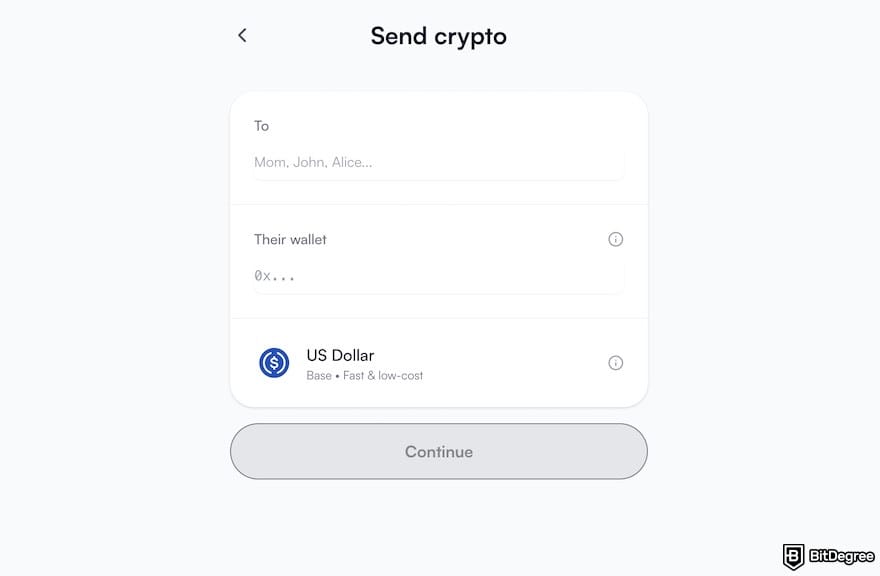
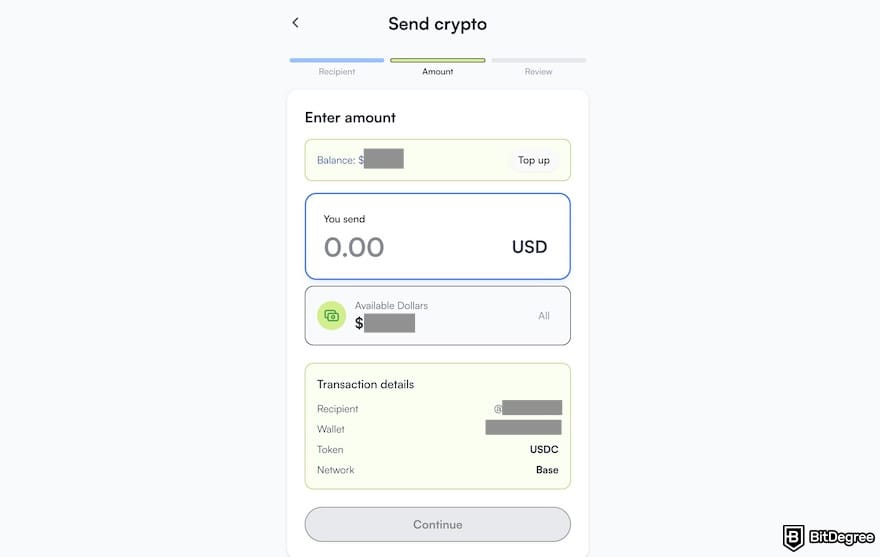
As long as the wallet address and network are correct, this is one of the quickest ways on how to send money to Nigeria from UK with minimal friction. Besides, there are almost no crypto-related fees on Ogvio (there are only some when you send crypto as fiat to a bank account).
Pay Nigerian Users with a Payment Link
Nigerian freelancers and remote workers can initiate a payment using Ogvio’s payment link. This method allows recipients to request money without sharing bank or wallet details. Here’s what the Nigerian recipient should do:
![How to send money to Nigeria from UK: the [Request Money] menu on Ogvio highlighted.](https://assets.bitdegree.org/images/how-to-send-money-to-nigeria-from-uk-ogvio-request-money.jpg "How to send money to Nigeria from UK: the [Request Money] menu on Ogvio highlighted.")
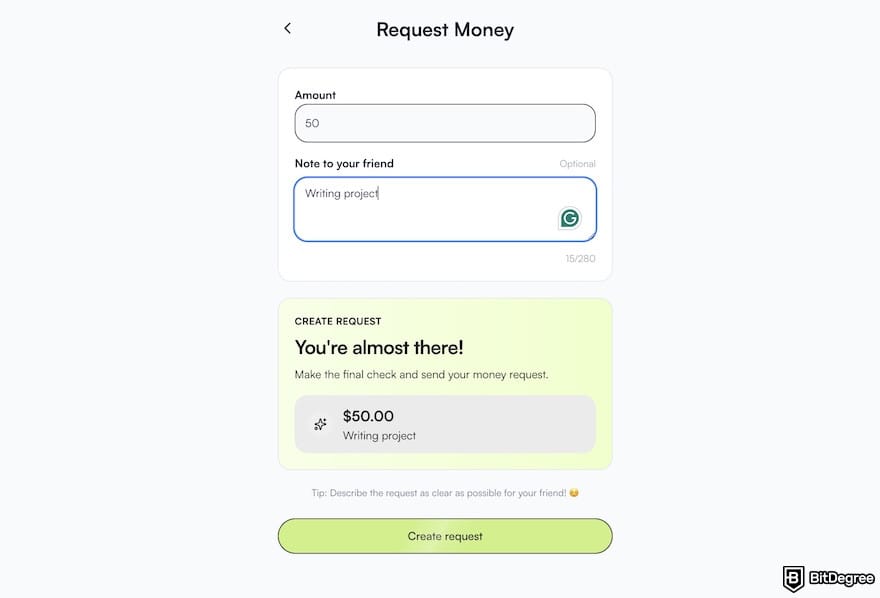
The link can be shared with the UK sender, who simply opens it and completes the payment. Your link’s status should get updated once the sender has done their part.
Which Is the Best Method to Send Money From the UK to Nigeria?
Below is a clear breakdown of the pros and cons of each Ogvio transfer method, so you can choose what works best for your situation.
Ogvio @Tag (Username Transfer)
If both the sender in the UK and the recipient in Nigeria already use Ogvio, an @Tag transfer is easily the fastest and cheapest option.
Instead of dealing with banks, wallet addresses, or payment links, you simply send money directly to the recipient’s Ogvio username (@Tag). The transfer happens instantly inside the app, with zero fees and no bank account required on either side.
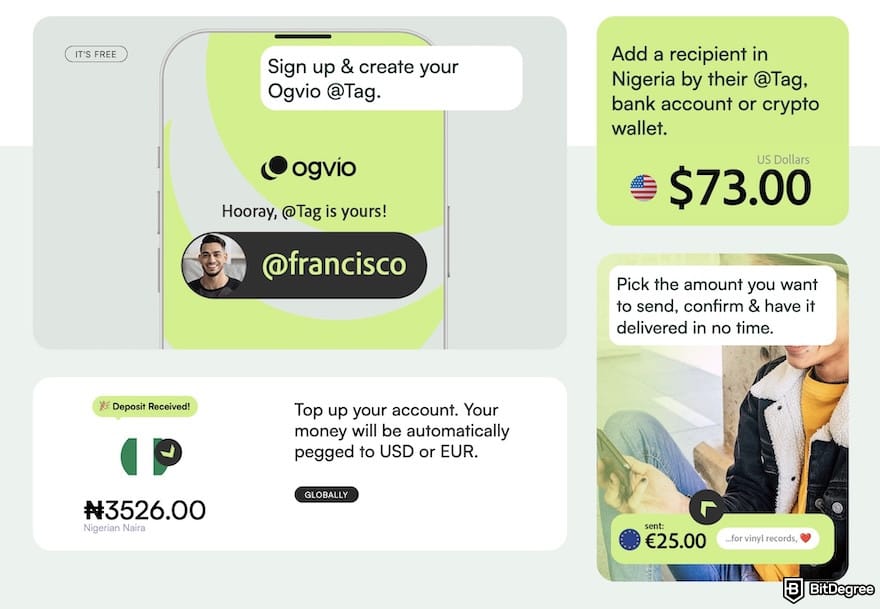
This method does require both parties to have active Ogvio accounts, since the transfer stays entirely within the platform. Funds sent via @Tag remain in Ogvio until the recipient decides to withdraw to a Nigerian bank account or move the money via crypto.
At the moment, Ogvio’s card is still being rolled out, so you can’t spend your balance directly yet. Once it’s live, using your Ogvio balance for everyday payments should be much more convenient.
Transfers to Nigerian Banks
If you prefer money to land directly in a Nigerian bank account, Ogvio’s bank transfer option is the most familiar route. This works well for recipients who rely on traditional banking or need to withdraw NGN for daily expenses.
There are a few things to keep in mind:
1
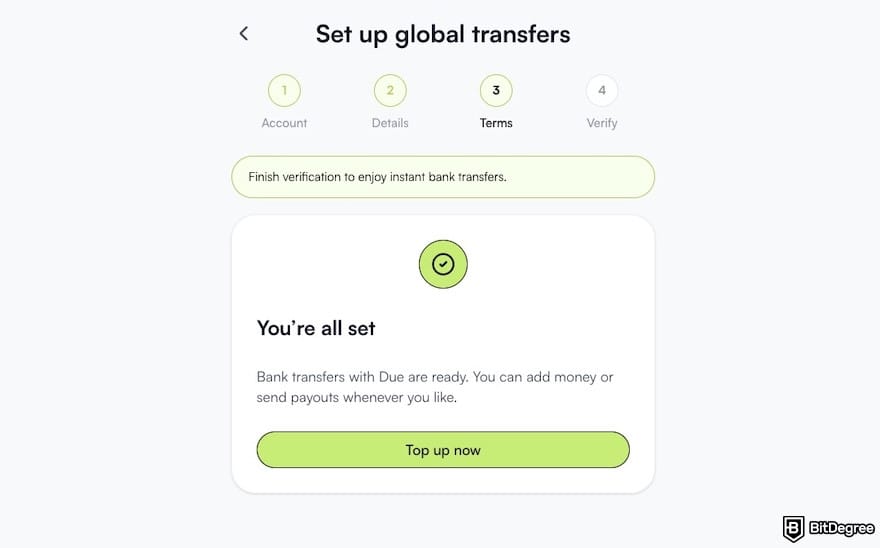
KYC is required. Before bank transfers are enabled, you’ll need to complete identity verification. It’s a one-time step, but it does add friction compared to instant in-app transfers.
2
Fees may apply. Ogvio is transparent on its end, but Nigerian banks may charge an inbound transfer or processing fee, which is outside Ogvio’s control.
3
Exchange rates matter. Ogvio typically converts deposits to USD or EUR first, so the final amount received in NGN may vary slightly depending on the exchange rate at the time of transfer. Though Ogvio does apply a fair, mid-market exchange rate.
That said, the naira has been way more stable lately, both on the official side and the parallel market. That shift started after Nigeria rolled out the Electronic Foreign Exchange Matching System in December 2024. Basically, the CBN put this system in place to make FX pricing clearer, fairer, and less chaotic.
The benefits for Nigerians include fewer unexpected rate swings, more predictable NGN payouts, and reduced FX stress when receiving international transfers into a Nigerian bank. With pricing now more transparent, the amount that lands in the account should be closer to what they actually expect.
In terms of speed, bank transfers aren’t always instant like @Tag or crypto transfers. Based on typical processing times, Ogvio may estimate up to a few hours, but transfers often arrive much faster – at least this is what I experience.
Crypto Transfer
Even though crypto hasn’t always been regulator-friendly in Nigeria, the country consistently ranks among the top countries using crypto globally,[2] with an estimated $59 billion in cryptocurrency value flowing into the country.
Stablecoins, in particular, have become a popular alternative to local banks for everyday payments, savings, and cross-border transfers. They offer price stability, faster settlement, and easier access to global finance, especially when traditional banking feels slow and restrictive.
Since Ogvio uses USDC, you avoid the price volatility that usually scares people away from crypto. Once sent, funds typically arrive almost instantly. If the recipient later wants to cash out to a Nigerian bank account, Ogvio handles the conversion automatically, so they don’t need to swap currencies or stablecoins manually.
Payment Link
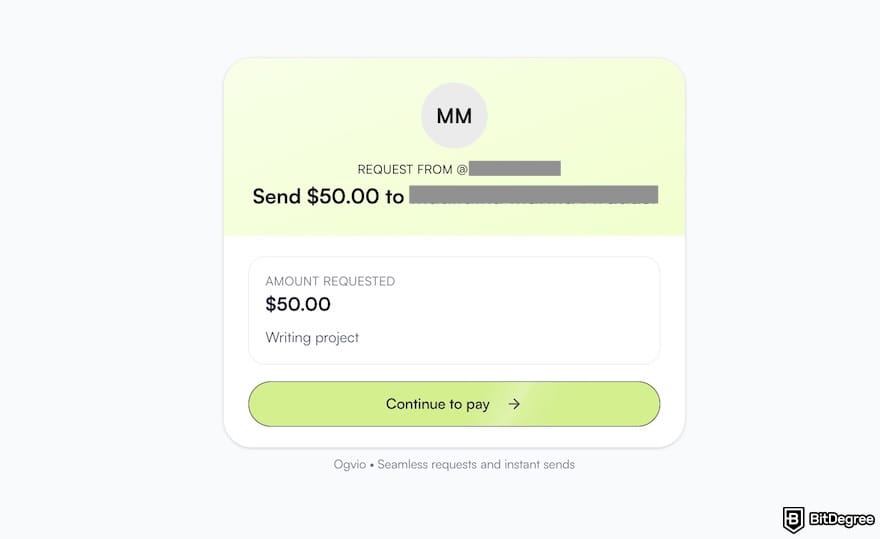
Payment links are especially useful for Nigerian freelancers and remote workers getting paid by UK clients. You can generate a payment link for free and add it to an invoice, email, or simply send it via WhatsApp, Slack, or any chat app. Just note that the sender will have to create an Ogvio account to complete the payment.
Overall, here's the comparison of Ogvio methods for those looking for the best way on how to send money from UK to Nigeria:
Speed | Fees | KYC Required? | Bank Account Needed? | Best For | |
|---|---|---|---|---|---|
Ogvio @Tag (Username Transfer) | Instant | Free | ✗ | ✗ | Fastest and cheapest transfers between Ogvio users |
Bank Transfer (via Ogvio) | Fast (minutes to a few hours) | Low | ✓ | ✓ (recipient) | Directly to nigerian bank accounts |
Crypto Transfer (USDC) | Near-instant | Free | ✗ | ✗ | Borderless payments with minimal delays |
Payment Link | Fast (depends on sender's action) | None-Low (depends on sender's action) | ✗ (for the link, otherwise depends) | ✗ | Freelancers invoicing UK clients easily |
Table: Comparison of Ogvio's transfer methods
As the table shows, there’s no single “best” way to send money from the UK to Nigeria because it really depends on what you’re optimizing for. For example, if speed and zero fees matter most, Ogvio @Tag transfers are hard to beat. If you need money to land directly in a Nigerian bank account, bank transfers offer a simple route.
The key is choosing the method that you and your Nigerian recipient like. Ogvio won't lock you into one option, which makes cross-border transfers more manageable for both parties.
📚 Read More: Best Ways to Send Money to Nigeria
Things UK Senders Need to Be Aware Of When Sending Money to Nigeria
It’s natural to have concerns about money transfers to Nigeria, especially given the reliance on informal methods and gaps in access to financial technology among different groups. However, there are also a few things UK senders should be aware of when looking for ways how to send money to Nigeria from UK safely.
1
No UK government cap, but platforms have limits. There’s no official legal limit on how much you can send from the UK, but banks and money transfer apps set their own daily or monthly caps.
With Ogvio, UK users can send up to £1,000,000 per transfer when funding their account. Also, there is a ₦50,000,000 limit per transfer when sending money to Nigerian bank accounts.
2
Expect ID checks. UK transfers are regulated, so if you haven’t completed KYC yet or you’re sending larger amounts, you may be asked to verify your identity or provide proof of funds.
3
Large transfers can trigger reviews. UK regulators like the FCA and HMRC may monitor international transfers. If you’re sending a large amount, you might be asked for extra details or proof of funds. It’s standard compliance and usually doesn’t take long.
4
UK tax rules. Generally speaking, you don’t pay tax just for sending money abroad, especially for personal transfers. However, tax can come into play if the money received counts as taxable income, such as earnings from work, investment returns, rental income, or proceeds from selling property overseas.
Once you understand both sides of the flow, sending money from the UK to Nigeria becomes far more predictable and a lot less stressful.
Browse our collection of the most thorough Crypto Exchange related articles, guides & tutorials. Always be in the know & make informed decisions!



Conclusions
The “right” transfer method on how to send money to Nigeria from the UK depends a lot on where the recipient is and what kind of banking access they actually have.
So instead of choosing whatever feels most convenient from the UK, where you may have tons of apps and options, it helps to pause and think about the recipient’s reality on the ground. A little empathy goes a long way in making sure the money arrives smoothly, on time, and without unnecessary friction.
That’s where Ogvio helps. It offers multiple payout options (bank transfers, crypto, and in-app @Tag transfers), so you can choose a method that actually works for both sides.
Scientific References
1. Ercanbrack J. G.: 'Hawala in the Uk-Nigeria Remittance Corridor: Institutional Dynamics and Illicit Value Flows';
2. Adaramola O.: 'The Dark Arts of Crypto Laundering and the Nigerian Financial Ecosystem: Examining Regulatory Perspectives of Virtual Assets and Virtual Asset Providers in Mitigating Money Laundering Risks in Nigeria'.
Send Money Worldwide
Check out the best ways to send money to other countries quickly, safely, and with minimal fees.




About Article's Experts & Analysts