












Just relocated to Nigeria and need a new bank account? Don't rush to the first branch you've set your sights on. In this comprehensive round-up, I've curated a list of the top 7 candidates to help you find the best bank in Nigeria that'll keep your money safe with reasonable fees and provide a user-friendly customer experience.
After some thorough research and screening, here are the contenders that made the cut:
- Ogvio - Free Fiat & Crypto Transfers to Other Users
- Zenith Bank - Digital-Focused Bank with a Wide Card Selection
- Guaranty Trust Bank - Wide Range of Services for Resident & Non-Resident Nigerians
- Access Bank - Versatile Bank for Money Transfers & Remittances
- Kuda - An Online Microbank for Money Transfers, High-Yield Savings, and Stock Buying
- First Bank of Nigeria - Multi-Currency Debit Card & Extensive Support for Remittances
- Fidelity Bank - Tiered Interest Rates & Diaspora Banking Services
Which bank is the best bank in Nigeria for a basic current account? How does Ogvio, a top-performing digital bank, measure up against the leading conventional banks like Zenith Bank and GTBank? And what documentation or other prerequisites do you need to open a new account in a Nigerian bank? Learn all this and more today!
1. Ogvio - Free Fiat & Crypto Transfers to Other Users
Ranks #1 out of 7 Money Transfer Services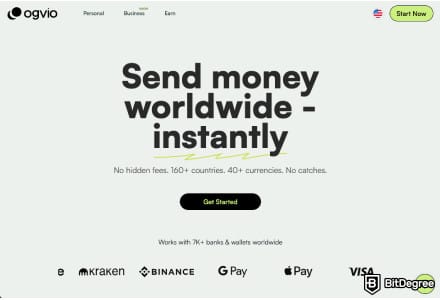
- + Remittance-oriented
- + Instant transfers
- + Incremental-to-no fees
- + Crypto support
- + @Tag functionality
- + Free transfers between users
- - No card (coming soon)
If you're partial to hybrid solutions that combine several types of services into one package, Ogvio might just be the best bank in Nigeria for you. Unlike conventional banks that spread their products and services across multiple categories, Ogvio is geared towards money transfers. It stands out among other similar apps by offering the most competitive fees and a minimalist, user-friendly interface.
Let's get straight to the main selling point: Ogvio transfers to other users are 100% free, no matter how much you're sending or where. Once you add a friend to your contact list, you can both send and request money from them in just a couple of clicks, and these transfers will go through instantly.
 | |
|---|---|
| |
| Per-transaction | |
| | |
| A global money transfer service with an additional volatile currency rate pegging to USD or EUR. | |
| Visit site Read review |
Table: Ogvio main features
International payments outside the ecosystem are still cheaper than you'd expect: instead of relying on SWIFT or other global wire networks like traditional banks, Ogvio processes transactions through local instant payment systems, significantly cutting down on fees.
Crypto enthusiasts will discover another perk that puts Ogvio ahead of many competitors. Alongside its main purpose as a digital bank, it also doubles as a full-fledged crypto wallet, with the potential to replace crypto exchanges in Nigeria for casual trading needs. You can buy or sell 9 cryptocurrencies on the Base network, deposit or withdraw crypto, or even cash it out to your bank account.
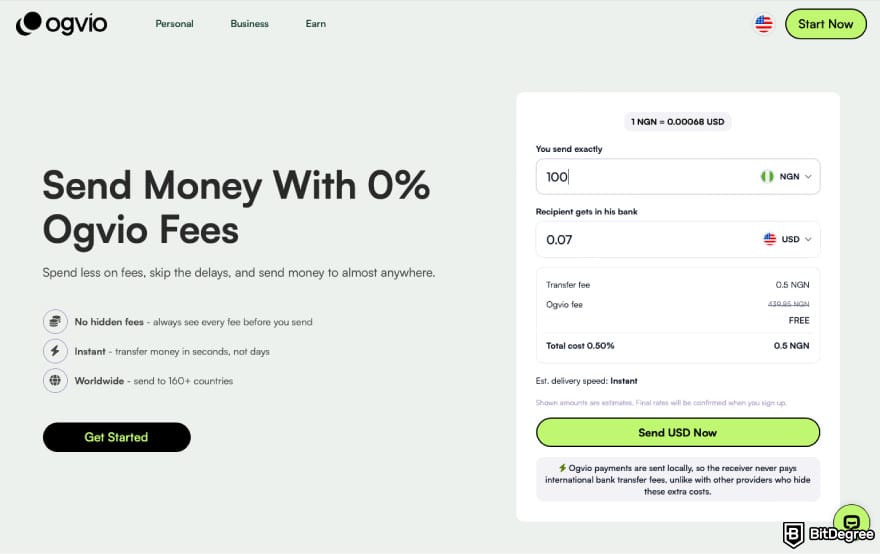
Ogvio supports several top-up and withdrawal methods. You can top up your balance with a bank transfer, a credit/debit card, crypto, or a direct transfer from another Ogvio user. If you choose to make a bank transfer deposit, Ogvio generates an IBAN number that can be used just like a traditional bank account number.
Ogvio's geographical support is pretty broad: you'll be able to send money to over 160+ countries in 40+ currencies. However, any local currency you deposit is automatically pegged to USD or EUR (your choice) as a way to stabilize the value of your balance. This way, Ogvio protects your funds from inflation and market fluctuations some local currencies are prone to.
Take advantage of free Ogvio transfers by inviting some friends! For every 3 referred people who pass KYC and transfer at least $30 each, you'll earn $10 in rewards, while your friends unlock zero-fee next transfer.
2. Zenith Bank - Digital-Focused Bank with a Wide Card Selection
Ranks #2 out of 7 Money Transfer Services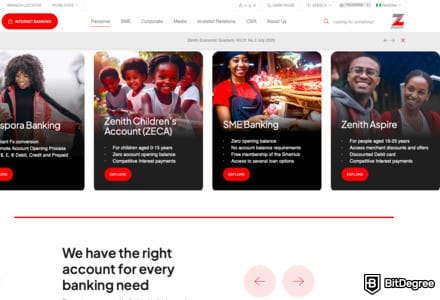
- + Higher interest rates for savings accounts than most competitors
- + High ATM withdrawal limits
- + Large selection of card schemes
- - Patchy customer support
- - Lack of physical branches in some rural areas
When in doubt, it never hurts to heed the experts. Zenith Bank has claimed the title of the Best Bank in Nigeria in the Global Finance Best Banks Awards 2025 for the fifth time in six years. Founded in 1990, it's now the third largest bank in Nigeria and one of the top 20 largest banks in Africa (as of January 2026) by the number of total assets.
Zenith Bank offers four types of current accounts. Individual Current Account is a solid entry-level option that doesn't require a minimum balance and allows depositing up to NGN 10 million. Gold/Platinum Premium Accounts ask for an opening balance of NGN 1/3 million and offer a 9.17% or 10.17% annual interest rate, respectively. Meanwhile, Timeless Account is designed for seniors over the age of 60.
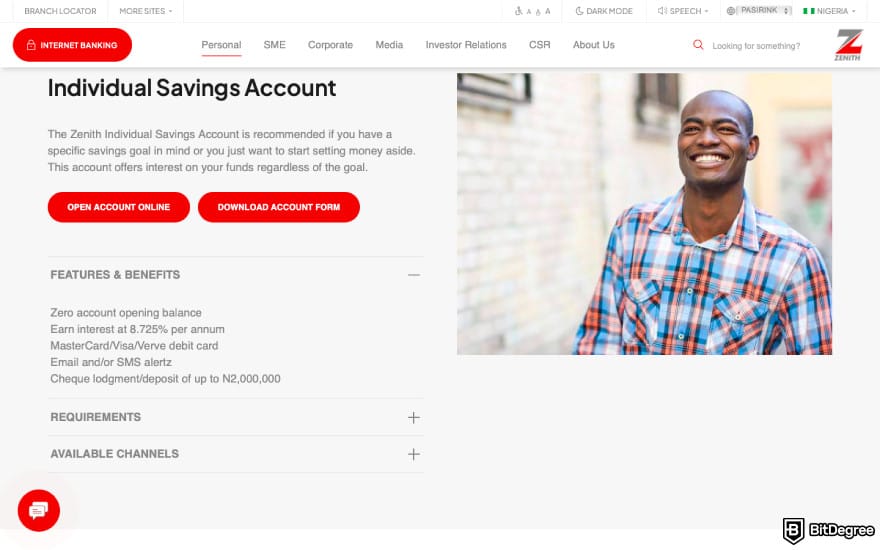
The bank's range of savings accounts features seven options. Individual Savings Account, EazySave Classic, EazySave Premium, and Timeless all offer a generous 8.725% annual interest rate, while Aspire Account (aimed at students aged between 16 and 25) and Zenith Children’s Account (for children aged under 8) have a more modest 5.5% rate.
Zenith Bank's card range is pretty broad, too. You'll find MasterCard, Visa, Verve, and AfriGO debit cards, available in NGN or USD, as well as Gold and Platinum debit cards with extra perks like insurance and access to exclusive airport lounges. Debit cards allow up to 5 daily withdrawals. You can also get a prepaid card in NGN, USD, EUR, and GBP, or a virtual debit card.
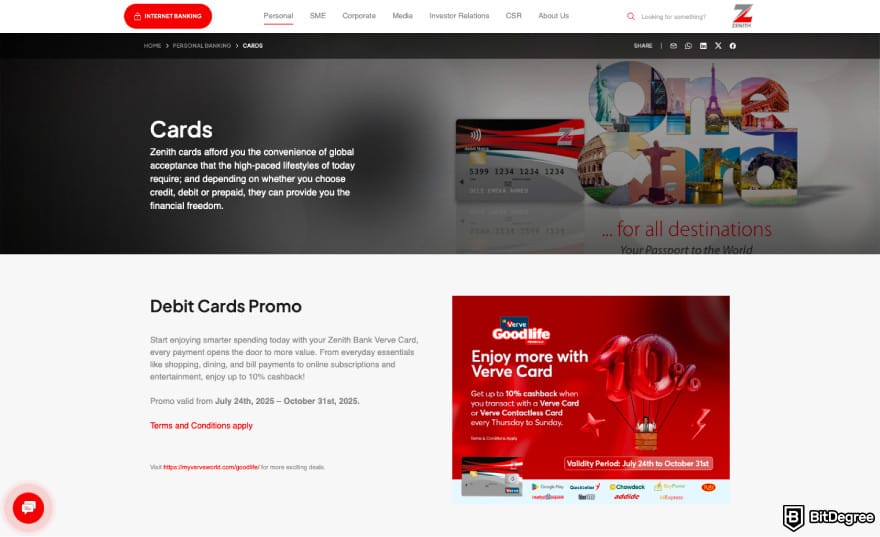
If you're a fan of digital banking, Zenith Bank is potentially the best online bank in Nigeria, at least among conventional banks. Its mobile app lets users send or receive transfers, make QR payments, buy airtime from network providers, and connect to eNaira Wallet. Its companion app, Eazy, is a digital wallet platform that supports free transfers between Zenith accounts and deposits/withdrawals via Zenith agents and ATMs.
Zenith Bank's Salary Current and Savings Accounts include some financing features: you can get up to 60% of your net monthly salary in advance, take out a personal (consumer) loan, a car loan, or a mortgage. In addition, instead of borrowing money from the bank, you can opt for a Lease, where the bank buys the asset on your behalf and leases it out for you in exchange for repayments.
3. Guaranty Trust Bank - Wide Range of Services for Resident & Non-Resident Nigerians
Ranks #3 out of 7 Money Transfer Services
- + Accessible opening requirements for some types of savings accounts
- + High debit card transaction limits
- + Emergency cash service
- - No Verve debit or credit card
- - Relatively high international remittance fees
Founded in 1990, Guaranty Trust Bank (usually referred to as GTBank) is a Nigerian-based bank that operates in 9 other African countries and the United Kingdom. As of writing this, it owns NGN 3.1 million in assets and holds the Euromoney Award for Excellence 2023 as the Best Bank in Nigeria. All in all, it's one of the top alternatives for its varied range of accounts and other products.
GTBank's Individual Current Account comes with a personalized Naira Mastercard and a free chequebook. If you only need a card for digital transactions, the e-Account is a decent alternative, offering a 5.25% annual interest rate. Meanwhile, the Domiciliary Account (available in USD, GBP, or EUR) is best for international remittances and cash withdrawals in foreign currency.
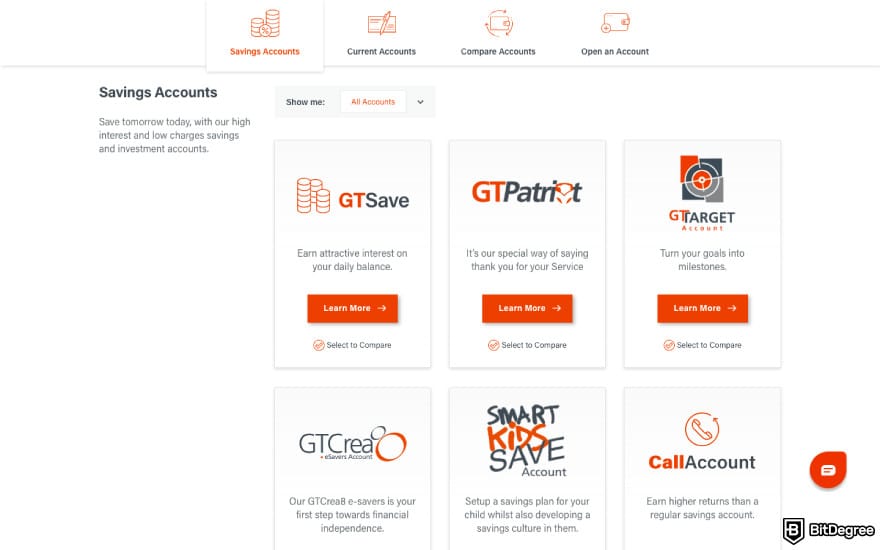
This bank features six types of savings accounts. GTSave offers the highest interest rate of 8.25% p.a., while GTInstant (a lite version of GTSave with a lower entry barrier) follows closely behind at 8.175%. Those saving for a specific goal can opt for GTTarget, which offers an additional 1% bonus interest to customers who maintain a Standing Order deposit for 1 year.
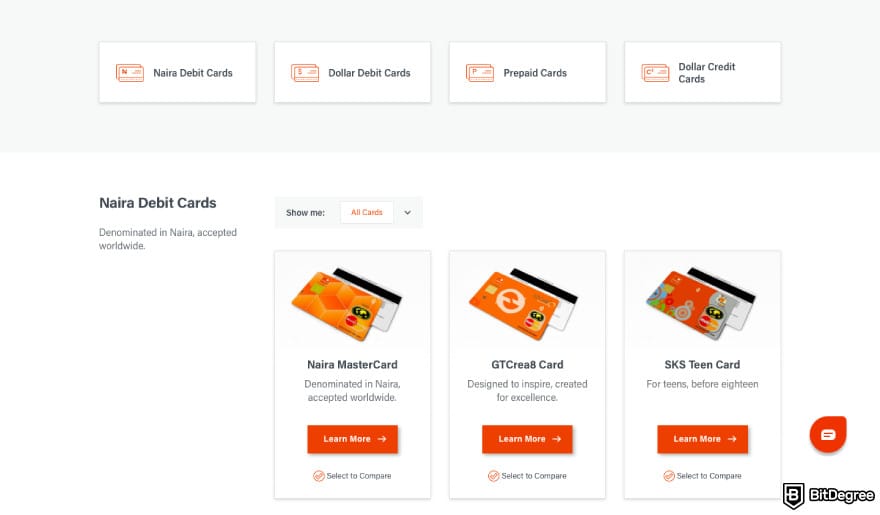
GTBank's credit and debit cards come in several types. The Naira debit card has a daily ATM withdrawal limit of NGN 40,000 and a daily transaction limit of NGN 6.5 million, while those who want a USD-denominated account can opt for the Dollar Debit Mastercard or Visa cards. In addition, there are NGN and USD-based prepaid cards and a virtual prepaid card.
Aside from a fully-functional online banking platform and a mobile app, GTBank has some additional services up its sleeve. GT Sweep enables automatic transfers between all of your accounts, so that even if one of them has insufficient funds, the payment will still go through. It's accompanied by GTRescue, another neat addition for accessing emergency cash without a debit card.
If you're wondering which bank is the best in Nigeria for non-residents, GTBank provides a number of services for Nigerians in the diaspora. You can open an account from anywhere in the world and access internet banking, NGN or USD-denominated debit cards, and use GTConnect to check your account balance or transfer funds.

Did you know?
All Money Transfer Services may look similar to you, but they're NOT all the same!
4. Access Bank - Versatile Bank for Money Transfers & Remittances
Ranks #4 out of 7 Money Transfer Services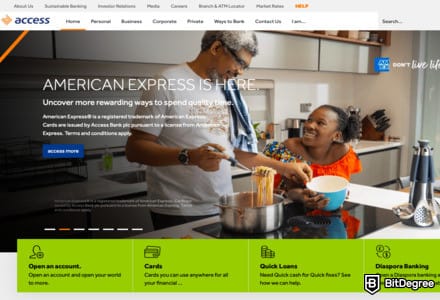
- + Large selection of credit and debit cards
- + Integration with international money transfer apps
- + Native instant payment solution
- - Low deposit and balance limits on savings accounts
- - Most debit and prepaid cards don't support international ATM withdrawals
As of 2026, Access Bank is the largest commercial bank in Nigeria by the number of total assets, serving more than 60 million customers across 20+ countries. It features a broad array of products and services for both resident and non-resident Nigerians and a number of money transfer services.
If you need a basic bank account for everyday transactions, Individual Current Account is your best bet. It has a fairly low initial deposit of NGN 10,000 and a maintenance fee of NGN 1 per every NGN 1,000 in your account. In contrast, Solo Account has a lower initial deposit of NGN 500 and comes with an 8.25% annual interest rate.
Nigerians looking for a savings account can check out the Instant Savings Account. If you don't mind the rather low maximum deposit and cumulative balance allowance (NGN 50,000 and NGN 300,000, respectively), the 8.25% annual interest rate is higher than what you'll find on many other banks. One of the only drawbacks is that this account only allows domestic transactions.
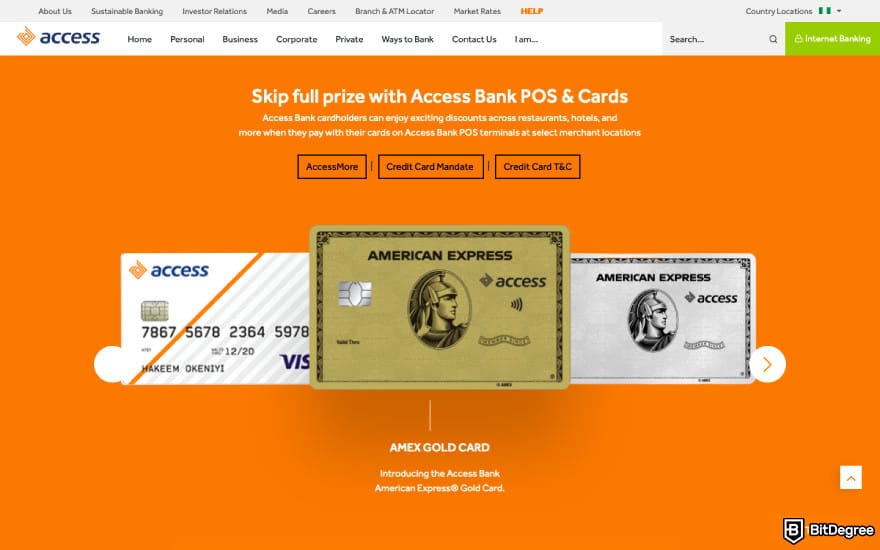
When it comes to card options, Access Bank is possibly the best bank to use in Nigeria for the sheer selection size. It has a total of 9 debit card options, 3 prepaid cards, and 3 credit cards. You'll find a variety of providers: Mastercard, Visa, Verve, and even American Express. On the downside, most debit and prepaid cards only support domestic ATM withdrawals.
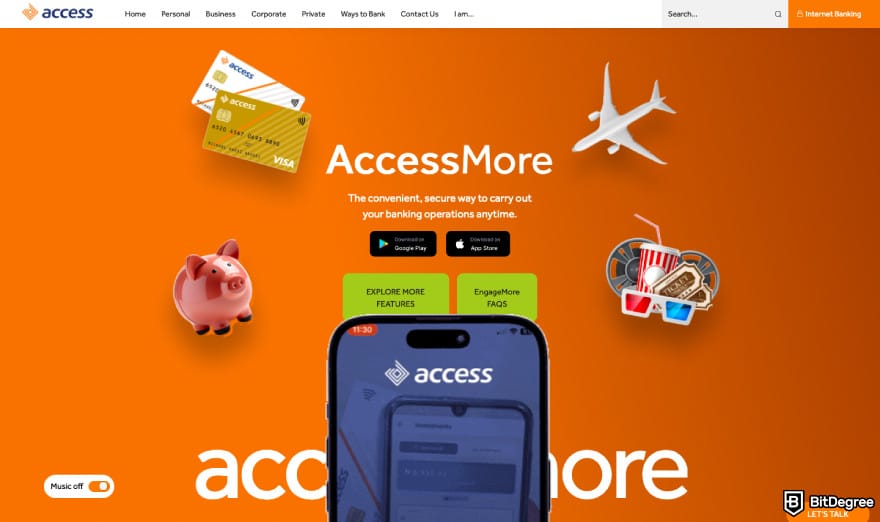
AccessMore app serves as the bank's mobile banking hub, mostly on par with the online banking platform feature-wise. Among the bank's other mobile-oriented features is FacePay, an alternative instant payment solution available for registered merchant outlets, and AccessPlus, a USSD-based banking service that lets users handle their banking needs directly from their mobile phone without an internet connection.
Finally, Access Bank has plenty to offer for remittances and international money transfers. With the AccessAfrica service, you can make USD transfers to the bank's subsidiaries within Africa, with the payee receiving either USD or their local currency in their local branch, mobile app, or as a cash pick-up. This bank also integrates with a few popular money transfer services like MoneyGram and Western Union.
5. Kuda - An Online Microbank for Money Transfers, High-Yield Savings, and Stock Buying
Ranks #5 out of 7 Money Transfer Services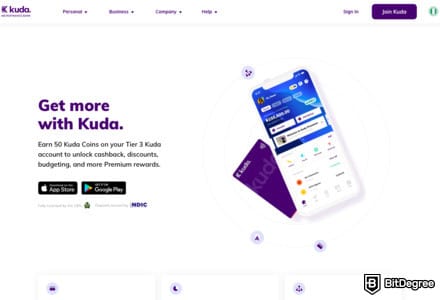
- + 25 free transfers to other banks per month
- + Bill and subscription payments across different industries
- + US stock trading marketplace
- - High fees for transfers that exceed the monthly allowance
- - Low daily ATM withdrawal limit
Traditional banks are all well and good - but which bank is the best in Nigeria among fintech alternatives? Take a look at Kuda Bank. Styling itself as a "microfinance bank", this platform focuses on providing low-fee money transfers and other features increasingly valued by fans of mobile banking, such as flexible savings options and an all-in-one bill payment platform.
To begin with, Kuda is possibly the best online bank in Nigeria for free money transfers. Unlike many competitor apps that boast zero-free transactions between other users, each Kuda account comes with a generous monthly allowance of 25 free transfers to other banks. However, the fee for subsequent transactions is 2%, which is quite pricey compared to most alternatives.
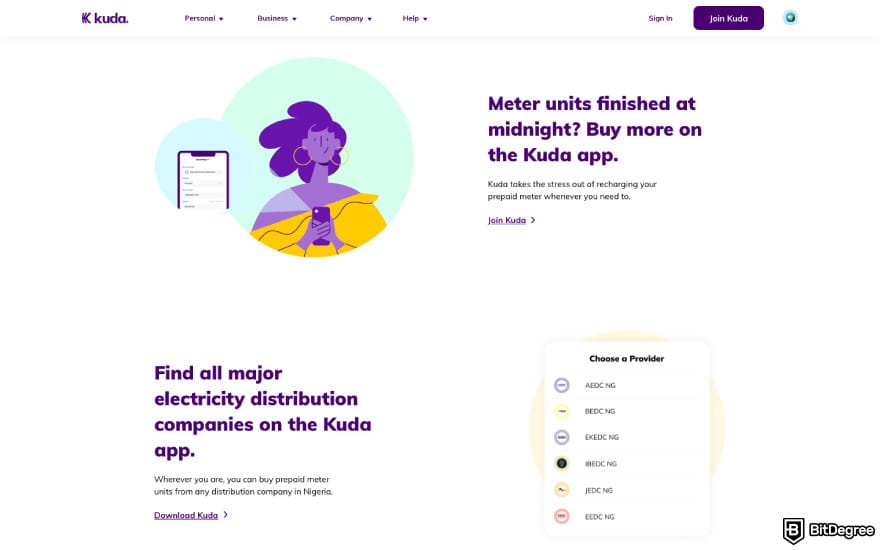
Kuda app has integrations with the major electricity, mobile, and internet providers in Nigeria, letting users easily pay their bills or top up airtime directly from the app. You can also pay for bus, train and ferry tickets in Lagos by topping up your Cowry wallet, or pay for a DStv, Showmax, GOtv, or StarTimes subscription.
Like most neobanks these days, Kuda has a debit card. You can order one on the app and pick it up from one of the agent locations or book a home delivery. It has a daily ATM withdrawal limit of NGN 100,000 and a daily transaction limit of NGN 1-2 million for online or POS terminal payments, respectively. There's no maintenance fee, but the delivery costs NGN 1,000.
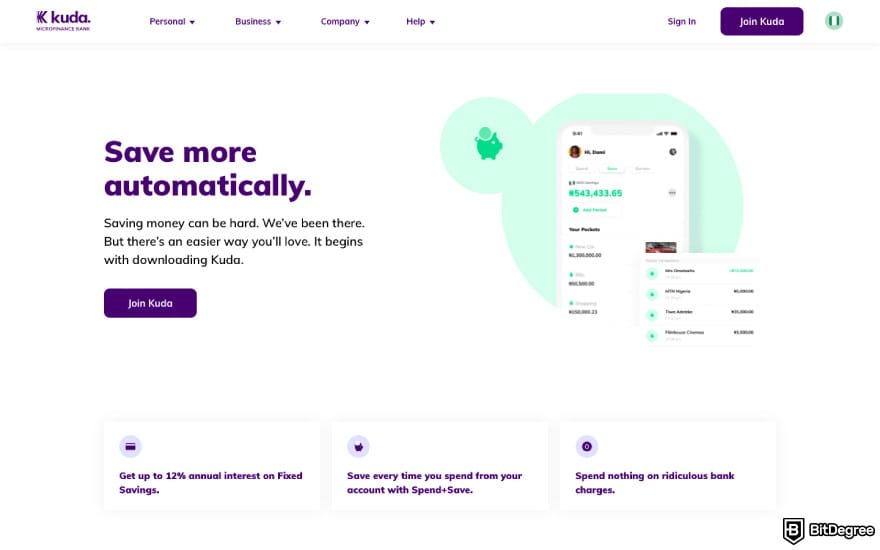
One of the benefits of digital banks VS their traditional counterparts is higher interest rates, and Kuda definitely knocks it out of the park in this area. Its Fixed Savings plan yields an annual interest rate of up to 12%, though it doesn't allow early withdrawals. Meanwhile, the Spend+Save feature lets you set aside a percent of each purchase as a way to automate a small-scale savings plan with zero effort.
On top of all that, Kuda has a selection of US stocks for easy investment opportunities. You can create a stock trading account in just a couple of clicks and buy a minimum of $10 in shares. However, the minimum allowed deposit is $20. Kuda will automatically convert the NGN in your account balance to USD when buying stocks.
6. First Bank of Nigeria - Multi-Currency Debit Card & Extensive Support for Remittances
Ranks #6 out of 7 Money Transfer Services
- + WhatsApp banking
- + Integrations with the most popular money transfer services
- + Multi-currency debit card
- - Relatively low interest rates on savings accounts
- - Mobile app lacks some features of the online banking platform
Headquartered in Lagos, this multinational bank has 820+ business locations on the continent and an agent banking network with more than 233,500 locations across Nigeria. Its lineup of products and services includes current and savings accounts aimed at both resident and non-resident Nigerians, a mix of credit/debit cards, loans, and more.
This bank might not be the best bank in Nigeria for sheer variety of accounts, but it still offers an adequate range. Current Account requires an initial deposit of NGN 5,000, but no minimum balance after that, and no monthly withdrawal limit. It has a monthly maintenance fee of NGN 1/NGN 1,000. FirstCurrent Plus, on the other hand, has a higher initial deposit of NGN 50,000 and a maximum of 10 monthly ATM withdrawals, but no maintenance fee.
First Bank of Nigeria has several types of savings accounts. FirstInstant is a hassle-free option that requires next to no documentation to open (only a passport photo), while Savings Account is the standard pick, requiring an initial deposit of NGN 100. There are also accounts for teenagers (ages 13 to 17), children (under 12), and women. Sadly, this bank's interest rates are lower than most competitors' at ~4.2 p.a.
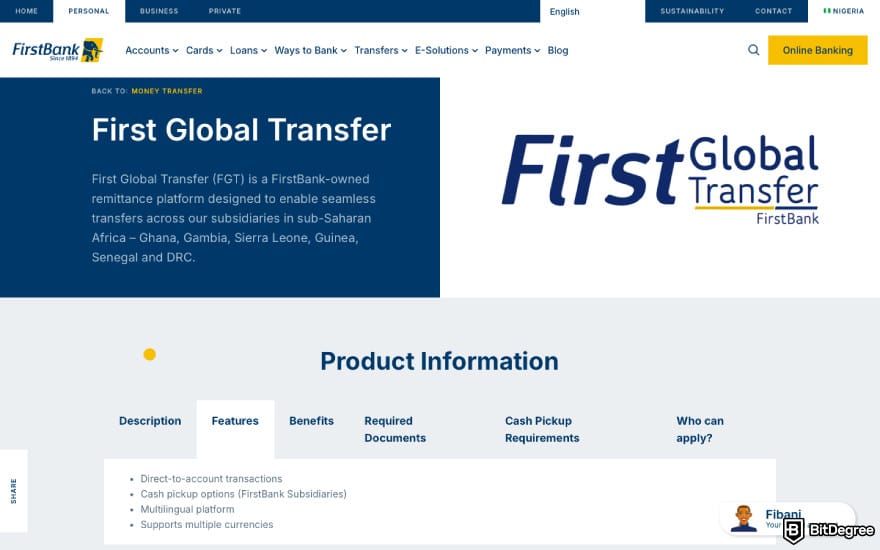
First Bank of Nigeria has integrations with many of the most popular money transfer apps, including Western Union, WorldRemit, and MoneyGram. What's more, it has launched its own remittance platform, First Global Transfer (FGT), that provides seamless money transfers throughout the bank's subsidiaries in Ghana, Gambia, Sierra Leone, Guinea, Senegal, and the DRC.
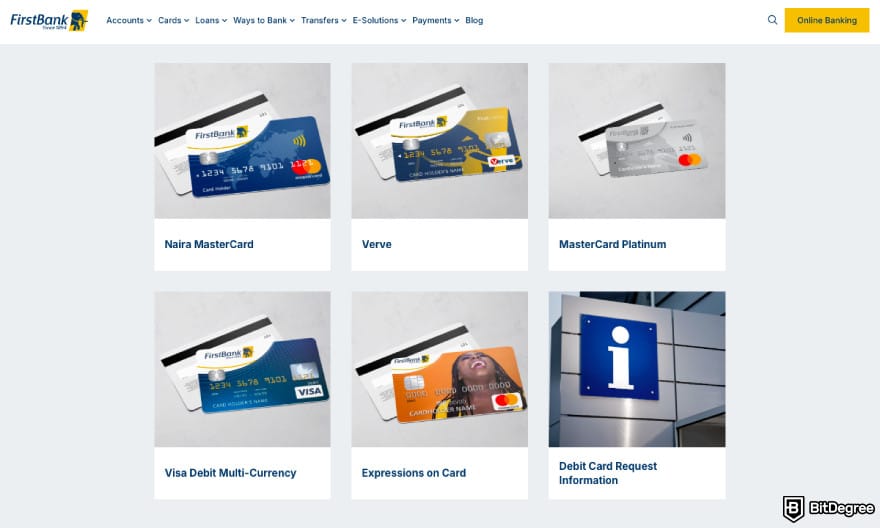
You'll find credit, debit, and prepaid cards by Visa, Verve, and Mastercard. The Virtual Visa debit card is a great option for those who only need a card for online purchases, while the Multi-Currency debit card (the first of its kind among Nigerian banks) can be linked to any or all of your NGN, GBP, USD, and EUR accounts. Naira Mastercard is one of the most popular picks among debit cards, allowing up to 10 daily ATM withdrawals.
The bank's mobile app is an adequate replacement for its online banking platform, supporting funds transfer, bill payment, and card management features. When it comes to mobile banking, one of the more unconventional services you'll find is Chat Banking through WhatsApp. You can use it to check your account balance, send money, pay bills, or purchase airtime.
7. Fidelity Bank - Tiered Interest Rates & Diaspora Banking Services
Ranks #7 out of 7 Money Transfer Services
- + High yields saving acount with tiered interest rates
- + Extensive diaspora banking services
- + Integration with popular money transfer services
- - No prepaid card
- - Lower branch accessibility in some rural areas
Founded in 1988, Fidelity Bank might not be the best bank to use in Nigeria in terms of a long track record, but it still has enough to offer. You'll find a mix of current accounts, several types of savings accounts aimed at specific demographics of users, digital banking services, and a selection of financing products.
Fidelity's Individual Current Account is designed for both private individuals and business owners. There's no minimum balance, only a 1 NGN/mille maintenance fee. Premium Current Account is a step above, offering a 0.5% annual interest rate, access to Priority Pass Card, and advisory services, with a minimum operating balance of NGN 5,000 (Basic) or NGN 200,000 (Prime).
For those who've set their eyes on more impressive returns, High Yield Savings Account is a much better value for money. It has a tiered interest rate structure of 8.35% to 8.85% p.a., depending on your account balance. However, to remain eligible for earning interest, you're allowed a maximum of only 3 withdrawals per month. Other savings accounts offer lower interest rates in exchange for more flexible withdrawals.
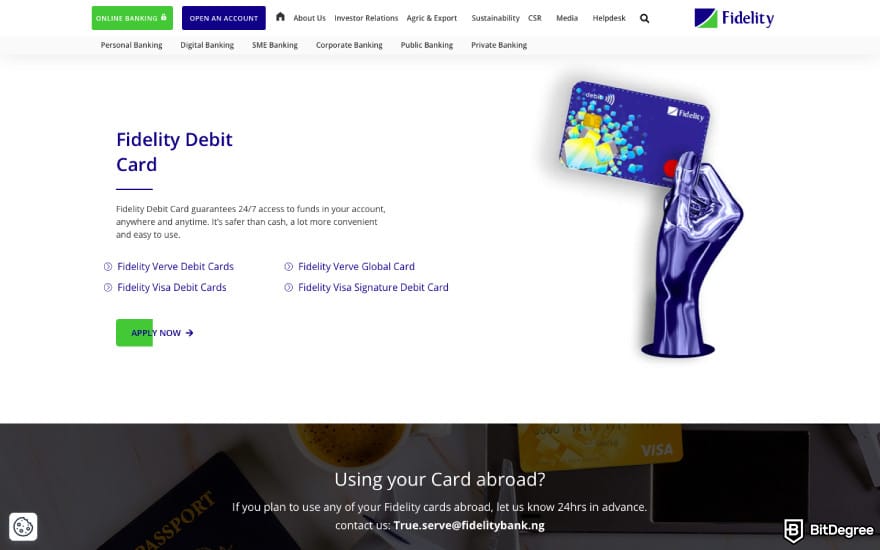
Unlike most other banks on this roundup, Fidelity Bank doesn't feature a prepaid card option, but you can choose between 4 types of credit or debit cards each. Visa Debit Card comes in a USD or NGN-denominated version and supports international ATM withdrawals, while Verve Debit Card can only be used in select African countries.
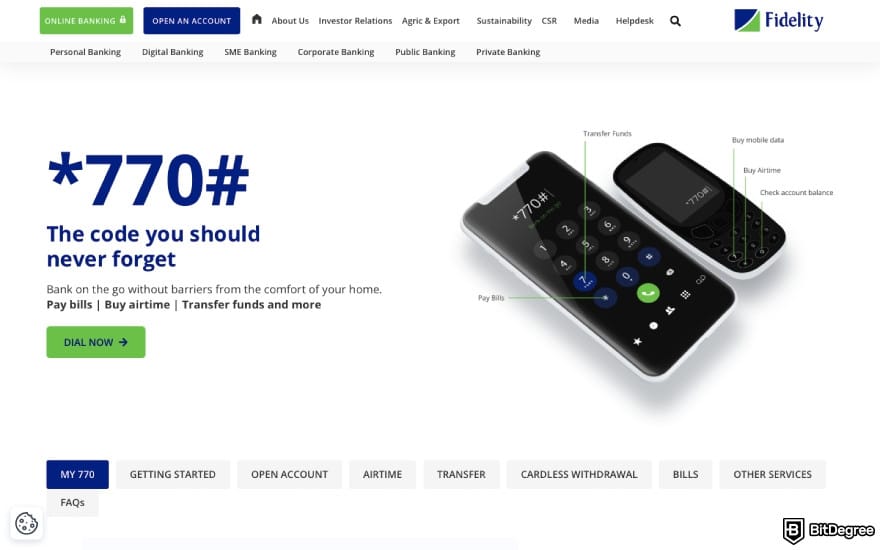
Among Fidelity Bank's digital banking services, you'll find *770# banking (a keypad-based instant banking option available offline from any phone or other device) and a no-nonsense online banking platform alongside a mobile app. Both the web and mobile platforms support money transfers, bill payments, and purchasing airtime, but the mobile app still lacks some features, like the option to manage transaction limits.
On top of all that, Fidelity Bank has various diaspora banking services: current and savings accounts meant for non-resident Nigerians, domiciliary accounts in foreign currencies, and Diaspora Mortgage (the first of its kind in Nigeria, offering high interest rates and a flexible repayment plan). This bank integrates with 10 money transfer services in total, including WorldRemit, MoneyGram, and Western Union.
How to Open a Bank Account in Nigeria: A Guide for Foreign Residents
If you've only just arrived in Nigeria and need a new account for receiving salary or making payments, you're probably tempted to ask - which bank is the best bank in Nigeria to open an account as a foreigner?
When it comes to documentation or other legal hoops to jump through, the type of account you choose makes more of a difference than which bank it belongs to. Most banks on this list offer certain account types for foreign residents. However, if you don't want to be constrained by the limitations of your residential status, there are two key prerequisites you should sort out.
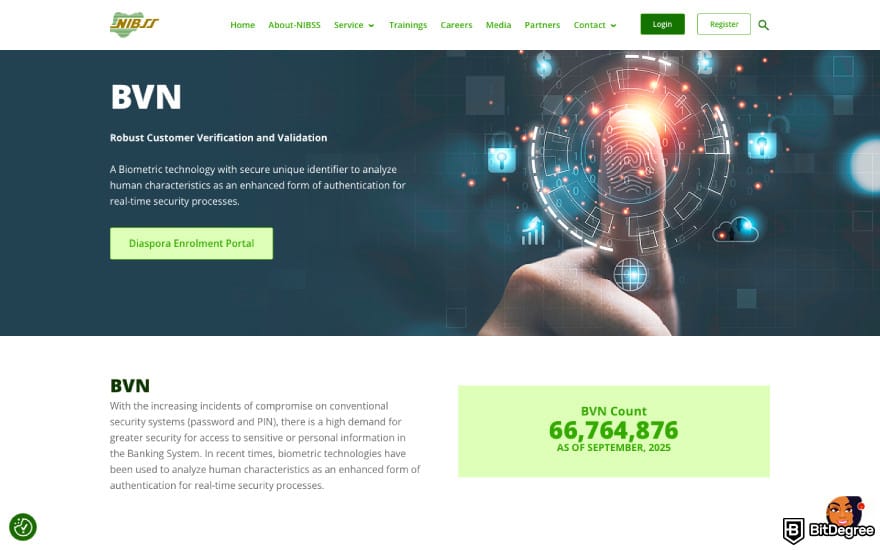
The first one is BVN (Bank Identification Number). Introduced by the Central Bank of Nigeria in 2014 as part of an overall strategy to enforce KYC,[1] this number acts as a unique identifier that works across all banks in the country. It will help protect your account from unauthorized access and reduce the risk of fraud.
It's also necessary for high-volume transactions: transfers over NGN 100 million are only available to customers with BVN.
You can enroll for a BVN in any Nigerian bank. All you'll have to do is fill out the enrollment form and submit the required identification documents (e.g., a passport or a driver's license with your photo). Most banks let you fill out the form online, but you'll still need to book an in-branch visit for the verification.
BVN enrollment is usually free of charge, except for non-resident Nigerians applying from abroad, who have to pay a processing fee of around $50.
Once you've completed the process, it will take 24-48 hours for the system to confirm your enrollment and generate the BVN.
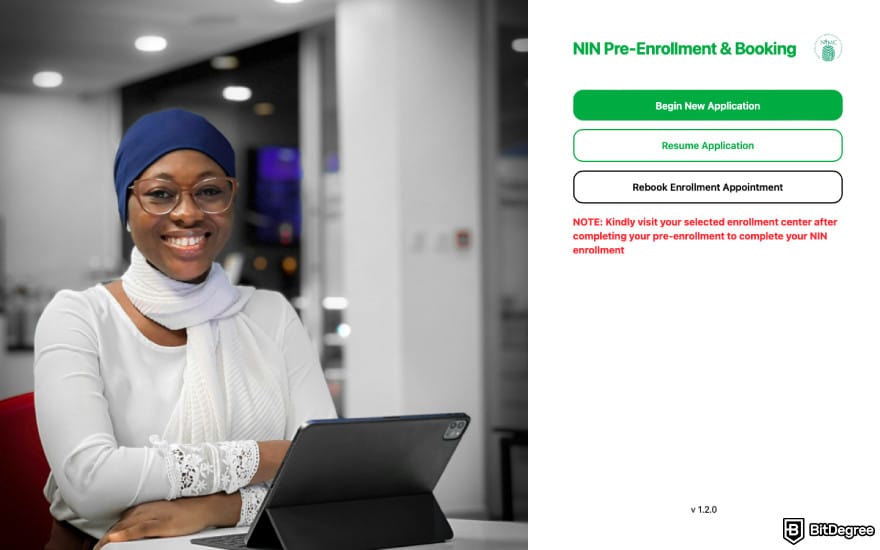
The second prerequisite most banks in Nigeria ask for is NIN (National Identification Number), which is issued by the National Identity Management Commission (NIMC). I recommend visiting the NIMC website to pre-enroll by creating an application form and booking an appointment: that way, you'll only need to visit the enrollment center to have your biometrics captured, instead of waiting in line to fill out the form in person.
Once you have your BVN and NIN in order, you're eligible for opening an all-purpose account in any bank in the country. Alongside these two prerequisites, most banks ask for some or all of the following:
- A form of government ID;
- Passport photo;
- Proof of residence (e.g., a utility bill with your home address on it);
- Two references (such as a letter from your employer or previous bank).
Some of these documents might only be required for a higher KYC tier if you want higher transaction limits.
Let's wrap up this section with a quick note on fees. While most banks don't explicitly charge an "account opening fee" as such, that doesn't mean creating or maintaining a new account won't have any costs involved. Many banks require a minimum opening balance, which can be anywhere from NGN ~5,000 for basic current or savings accounts to as much as NGN 50,000 for certain types of premium accounts.
You might also encounter a monthly account maintenance fee, which usually looks something like this: NGN 1/mille. It means that you'll be charged NGN 1 for every NGN 1,000 in your balance, or, in other words, 0.1%.
If you're planning to enable SMS alerts to receive notifications on any activities or balance changes in your account, be aware that most banks charge a small fee of NGN 4-10 for each SMS.
Depending on your account type, a credit or debit card might come included, or you'll have to order one separately. In either case, there's usually an issuance or delivery fee of NGN 500-5,000.
How to Send and Receive Money in Nigeria with Ogvio: A Step-by-Step Guide
Nigerian customers are increasingly moving away from traditional banking in favor of digital banks and money transfer apps for their simplicity and low fees. According to the 2025 Nigeria FinTech Survey Report by Column, a whopping 96.9% of Nigerians aged 18–44 use at least one financial app,[2] with 67.4% using at least two or more.
But which of us doesn't wish we could consolidate most of our banking and money transfer needs into just one app instead of having to juggle several? That's exactly what Ogvio promises to be: an innovative digital bank that could replace a traditional bank account for certain use cases, particularly money transfers.
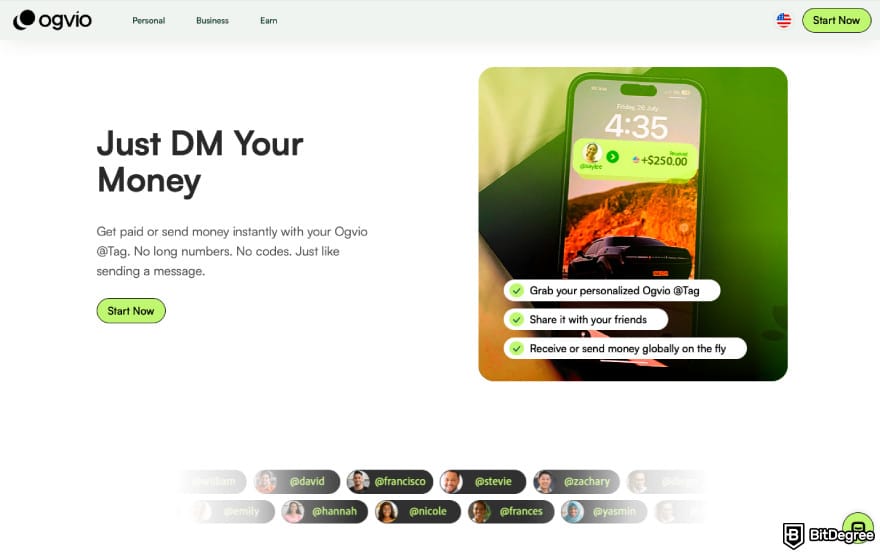
For one thing, Ogvio's transfer limits are significantly higher than those of many traditional banks. You're allowed to send up to NGN 50 million (an equivalent of ~$35,145) to Nigeria.
What's more, Nigeria is part of Ogvio's list of "corridor countries": sender and destination country combos that offer the most competitive transfer fees. As of writing this, the fee for sending $100 from Nigeria to the US is only 1$ (plus a 1% pay-in fee).
Let's see Ogvio in action, then. Here's how to receive money to this app through a bank transfer (from your own bank account or someone else's):
![Best bank in Nigeria: click [Get Started] to log in to your Ogvio account.](https://assets.bitdegree.org/images/best-bank-in-nigeria-ogvio-get-started.jpg "Best bank in Nigeria: click [Get Started] to log in to your Ogvio account.")
![Best bank in Nigeria: click [Add money] on Ogvio.](https://assets.bitdegree.org/images/best-bank-in-nigeria-add-money.jpg "Best bank in Nigeria: click [Add money] on Ogvio.")
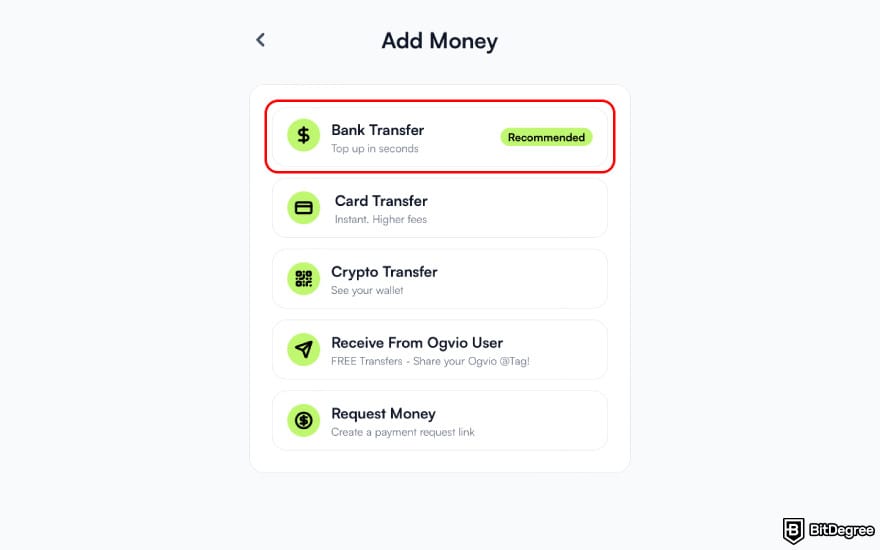
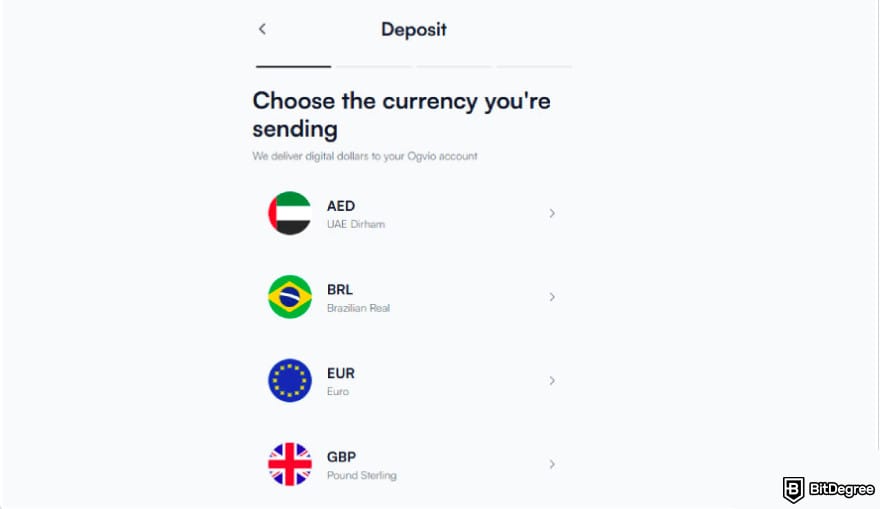
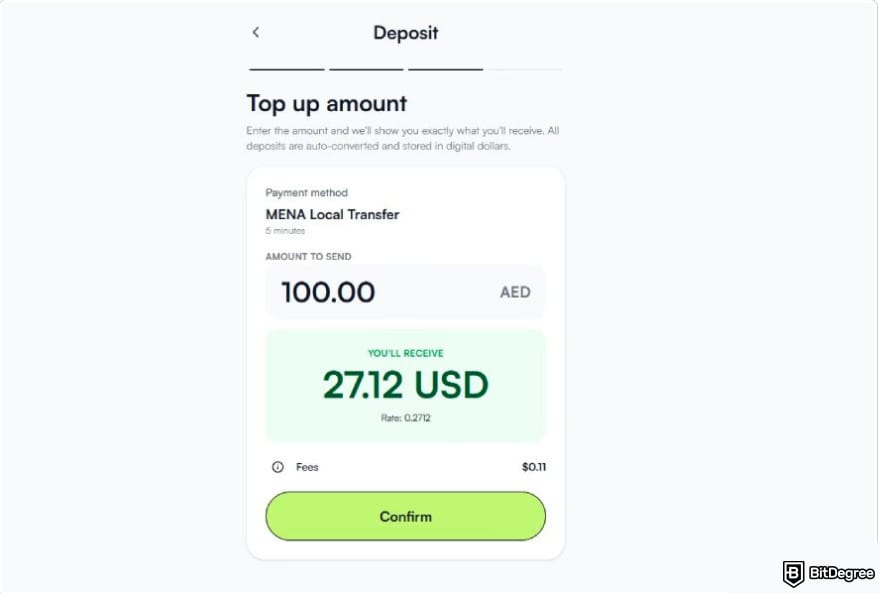
That's it! The money should drop into your Ogvio balance in just a few seconds or minutes.
Want to send money to someone else instead? Follow this tutorial:
![Best bank in Nigeria: click [Send Money] on Ogvio.](https://assets.bitdegree.org/images/best-bank-in-nigeria-send-money.jpg "Best bank in Nigeria: click [Send Money] on Ogvio.")
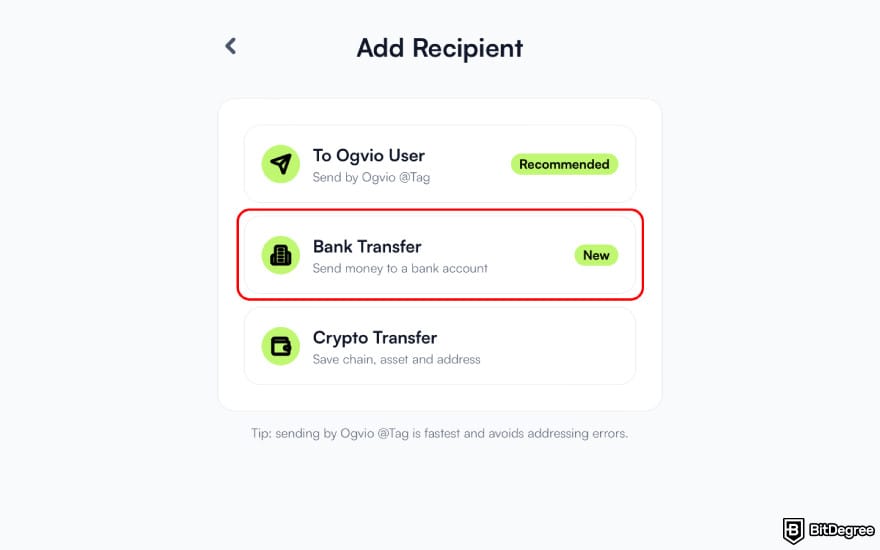
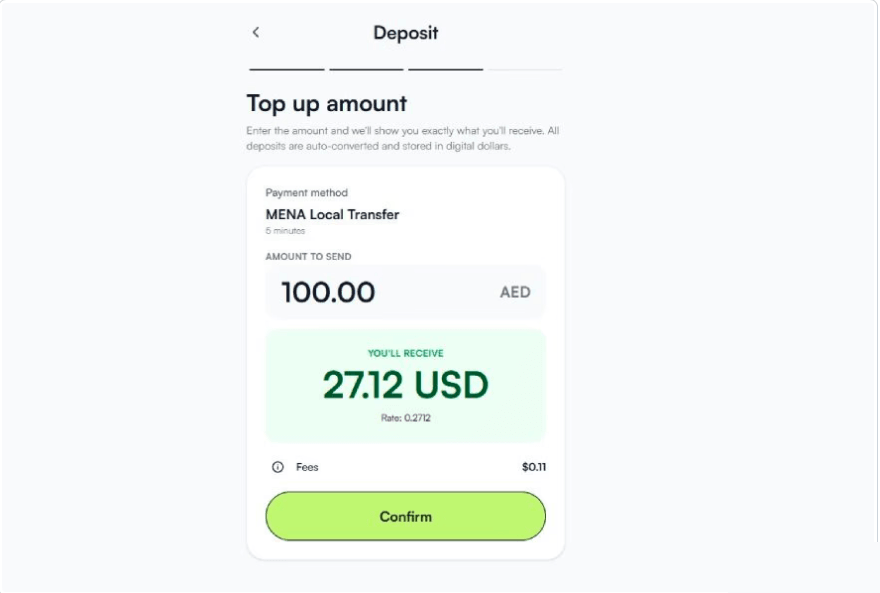
Here you go! As with receiving money, the transfer shouldn't take more than a few minutes, but you can keep an eye on the status of your transfer on the [Activities] panel.
Conclusions
The top-rated banks in Nigeria all offer a worthy selection of distinct bank account types: from a basic current account for everyday spending needs to specialized savings accounts aimed at specific demographics. Any of the candidates on this curated list could turn out to be the best bank in Nigeria for you; the key is to distill your priorities and decide exactly what it is you're looking for.
Once you've settled on a bank and the type of account you want, the actual process of how to open a bank account in Nigeria shouldn't take ages. Start by enrolling for a BVN and NIN, then check the specific requirements for the account you want to apply for. And if you'd rather skip as much of the bureaucracy as you can, check out digital banks like Ogvio or Kuda.
Need some more pointers on how to send money to Nigeria? Learn the best tips and tricks with this BitDegree Mission and earn 1,800 Bits that will contribute to your stake of the $20,000 prize pool in Airdrop Season 9!
Scientific References
1. Samuel-Ogbu, I.: 'Digital Technology and the Transformation of the Nigerian Banking System: the operators’ perspective';
2. Shehu M., Adebisi B.: 'How Young Nigerians Save, Spend, and Use Financial Tools'.
Send Money Worldwide
Check out the best ways to send money to other countries quickly, safely, and with minimal fees.

About Article's Experts & Analysts




Disclosure: To keep our site running & free of charge, we may sometimes receive a small commission if a reader decides to purchase services via some links on site, at no extra cost.