
Even after years of headlines, controversies, and a crypto market that never seems to sit still, Binance is still standing, and frankly, dominating. Through this Binance review, you can expect to get a real, up-to-date look at whether one of the world's biggest crypto exchanges still deserves that top spot.
If you've been in crypto for a while, you already know the name. Binance has been part of the conversation since the early days, surviving bear markets, regulatory battles, and the kind of scrutiny that would've buried most platforms. To many crypto investors, that track record matters.
The questions are: Does it still hold up today? I put it to the test.
Verdict at a Glance
Binance stands out as one of the most versatile cryptocurrency exchanges, offering a wide range of trading options, including spot, margin, futures, and trading bots. It supports over 30 fiat currencies for depositing and over 100 for purchasing crypto, enabling seamless transactions via debit/credit cards, bank transfers, and P2P payments. Its strong security standards ensure that you can trade and store your assets safely.

Pros
- A very well-known crypto exchange platform
- More than 350 tradable cryptos available
- Two-factor authentication
- Extensive trading options
- Emphasis on security and KYC
- Supports fiat-crypto acquisitions
Cons
- Reports of mediocre customer support
Table of Contents
- 1. Binance Review: Quick Overview
- 2. Who's Binance For?
- 3. Advantages
- 4. Limitations
- 5. Security
- 6. Localization and Regional Adaptability
- 7. Trading Tools
- 8. Staking and Earning Rewards
- 9. Bonuses and Special Offers
- 10. Fees and Limits
- 11. Customer Support
- 12. User Experience
- 13. How to Use Binance
- 13.1. How to Create an Account
- 13.2. How to Deposit
- 13.3. How to Trade
- 13.4. How to Withdraw
- 14. Conclusions
Binance Review: Quick Overview
Before I take you deeper into this Binance review, it would be better if you understand the essential information about the exchange. Here is a quick overview table for Binance:
Type | CEX |
|---|---|
Is Binance safe? | YES |
Best for | All level |
Established in | 2017 |
Headquarters | Abu Dhabi, United Arab Emirates (UAE) |
Availability | 160 countries/regions (including the UAE, UK, and South Africa) |
Licenses | Financial Services Regulatory Authority (FSRA) of ADGM |
KYC Verification | Yes |
Security | 2FA, address whitelisting, anti-phishing code, SAFU |
Features | Instant buy/sell, spot trading, margin trading, copy trading, P2P, futures, and earning |
Supported Coins | BTC, ETH, SOL, USDT, and 350 more |
Funding Methods | Credit/debit card, bank transfer, e-wallet, etc. |
Maker/Taker Fees | Starting from 0.100% taker/0.100% maker |
Fiat Support | Yes |
Customer Support | AI live chat, help center, tickets |
Privacy & Anonymity | No anonymity feature |
Table: Binance quick overview
While these details should pretty much cover the basics of what Binance is, they only scratch the surface of how the platform actually performs once you start using it. Now let’s see if you fit the type of user Binance is actually built for.
Who's Binance For?
Binance is one of those platforms that tries to be everything for everyone, and to be fair, it gets pretty close. It lets you buy your first crypto or actively trade multiple pairs. There’s a feature for almost every type of user. On paper, that makes it incredibly versatile.
But in practice, not everyone will get the same value out of it. The sheer number of tools, products, and settings means some users will naturally benefit more than others. Once you move past the basics, that’s where Binance really starts to shine.
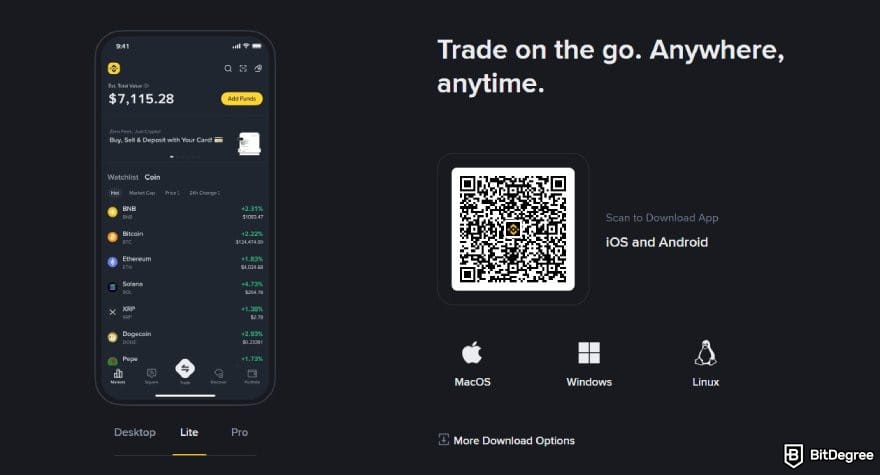
While beginners can absolutely get started here, Binance tends to feel just right for users who know what they’re doing, or are at least ready to explore beyond simple buy-and-sell. So, in my opinion, Binance is best suited for these types of users:
- Intermediate traders. If you already understand spot trading and basic order types, Binance gives you room to grow. You get access to advanced charts, deeper liquidity, and more control over your trades without feeling limited.
- Active and day traders. With high liquidity, tight spreads, and fast execution, Binance is built for frequent traders. Lower fees, especially with BNB discounts, also make a noticeable difference over time.
- Cost-conscious users. Compared to many competitors, Binance keeps fees relatively low. If you’re trading often or moving funds regularly, those savings can add up quickly.
- One-platform crypto users. Binance lets you stake, earn passive income, launch tokens, and even explore NFTs, all in one place. It’s ideal if you don’t want to juggle multiple platforms.
Considering its plethora of features, Binance gives you plenty of options to grow your crypto investment. For the right type of user, that’s where it really stands out.

Did you know?
All Crypto Exchanges may look similar to you but they're NOT all the same!
Advantages
At the time of writing this Binance review, the platform has more than 300 million users. And that kind of scale usually says a lot about what it gets right. That said, here are five main advantages that I think make Binance a very compelling crypto exchange:
- A very well-known crypto exchange platform;
- More than 350 different cryptos available;
- Extensive trading options;
- Emphasis on security and KYC;
- Supports fiat-crypto acquisitions.
One of the biggest advantages Binance has going for it is its reputation. It’s one of the most recognizable names in crypto, and that kind of brand awareness doesn’t happen by accident. Over the years, it’s built a global user base and positioned itself as a go-to platform for millions of traders. For many users, especially newcomers, that familiarity alone can make the onboarding process feel a bit more reassuring.
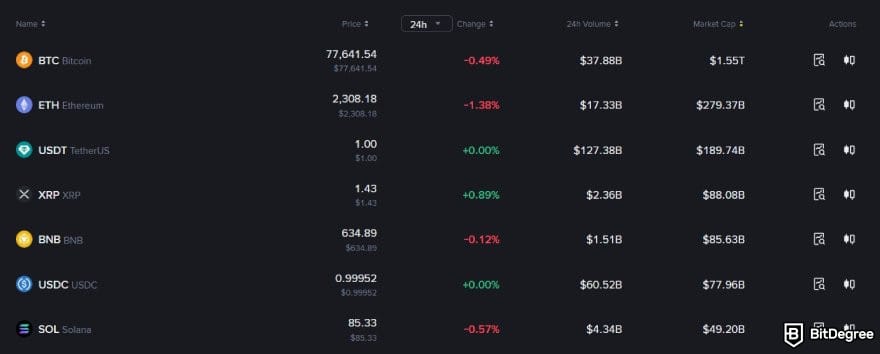
That reputation is backed by an impressive selection of assets. Binance offers access to more than 350 cryptocurrencies, which means you’re not limited to just the usual suspects like Bitcoin and Ethereum. No matter what your preferred coins are, there’s a good chance you’ll find them listed here, giving users more flexibility to diversify.
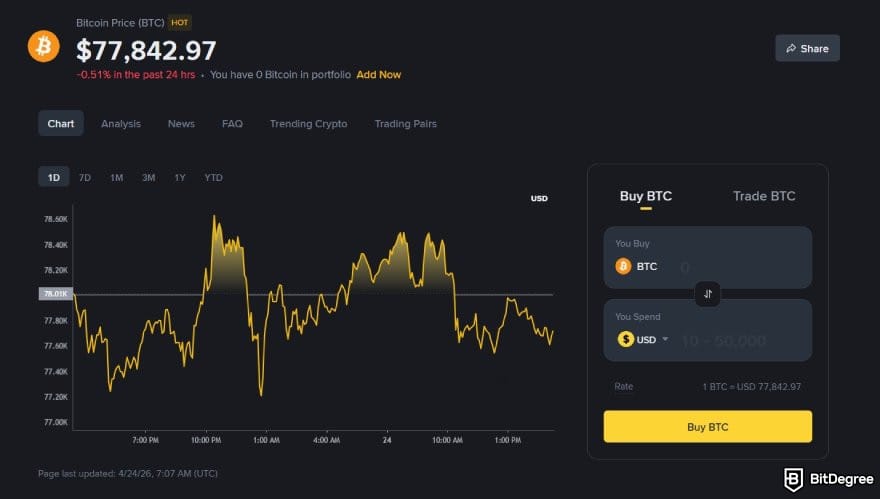
Beyond just variety, Binance also stands out for the many ways you can actually trade those assets. From simple spot trading to more advanced features like margin and futures, the platform caters to different experience levels. It’s the kind of setup where you can start simple and gradually explore more complex strategies without switching platforms.
📚 Read More: What is Margin Trading in Crypto?
At the same time, Binance has made noticeable efforts to emphasize security and compliance. Features like two-factor authentication, address whitelisting, and KYC requirements are all part of the experience. While not every user loves the added verification steps, it does signal a shift toward aligning with global regulations and improving overall platform safety.
And if you’re just getting started, Binance makes it relatively easy to move between traditional money and crypto. The platform supports a wide range of fiat payment methods, from bank transfers to card purchases, depending on your region. That accessibility lowers the barrier to entry, making it simpler for new users to buy their first crypto without jumping through too many hoops.
Looking for an easier way to switch between fiat and crypto, as well as moving your money around? Check out Ogvio to experience fast and affordable remittance!
Limitations
Now that we've discussed some of its advantages in this Binance review, let’s take a look at the exchange’s one less-than-ideal point:
- Reports of mediocre customer support
There are mixed reviews about the customer support offered by the Binance exchange. Although you can contact Binance by email or live chat, some users have reported long delays. This might be because the exchange has a large number of customers. However, I hope that Binance will improve its response times. There is also no phone support, which is something offered by other popular exchanges like Coinbase.
Security
If there is one thing that you need to focus on while choosing a crypto exchange, it's security. And when it comes to Binance, the answer isn’t just a simple yes or no. It’s more nuanced than that.
On the surface, Binance ticks a lot of the right boxes. The platform uses the Cryptocurrency Security Standard (CCSS), an internationally recommended security standard[1] for crypto exchanges.
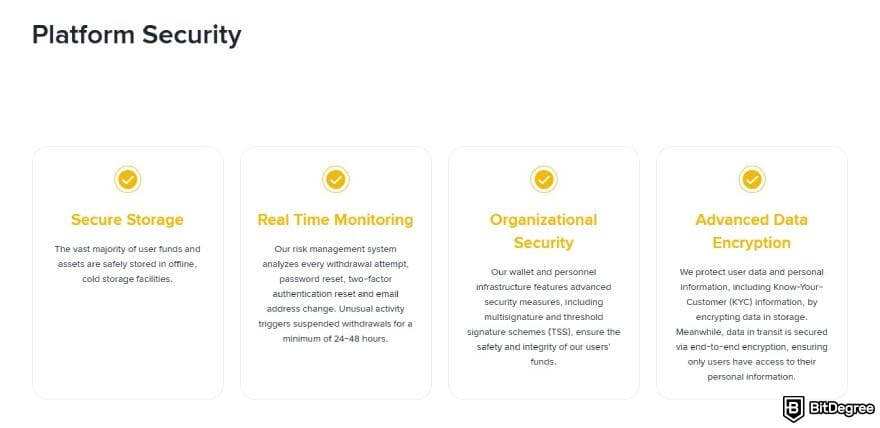
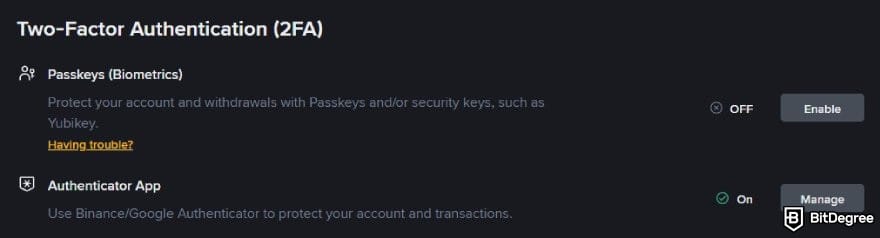
It also implements industry-standard protections like two-factor authentication (2FA), cold storage for the majority of user funds, advanced encryption, and real-time monitoring to detect suspicious activity.
On top of that, it has its own emergency insurance fund, known as SAFU (Secure Asset Fund for Users), designed to cover losses in extreme cases like hacks. These are the kinds of safeguards you’d expect from a platform operating at Binance’s scale.
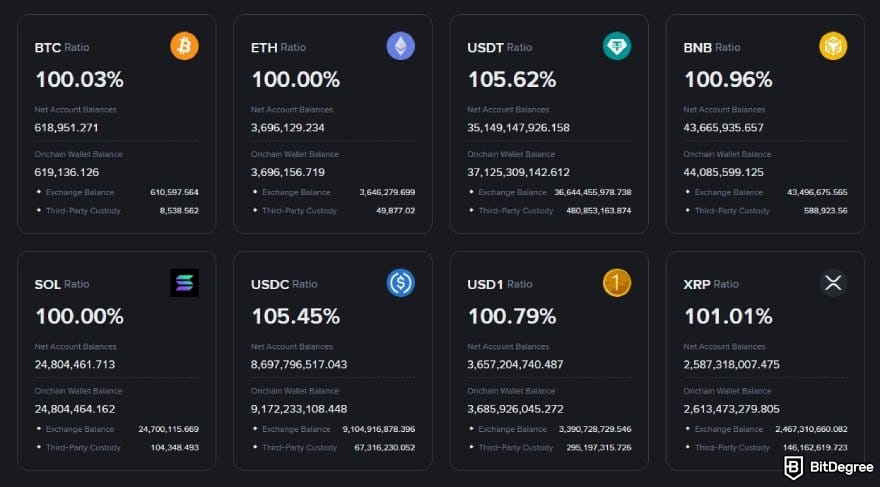
Binance has also leaned more into transparency and compliance in recent years. Features like Proof of Reserves and stricter KYC requirements are meant to give users more confidence that their funds are accounted for and the platform is operating responsibly.
That said, no centralized exchange is completely risk-free, and Binance is no exception. Because it holds custody of your funds, you’re still exposed to risks like account hacks, phishing attacks, or even regulatory changes depending on your region.
📚 Read More: Is Binance Safe?
So, is Binance safe? For most users, yes, especially if you enable all the available security features. But like with any crypto platform, a big part of that safety ultimately depends on how you use it.
Localization and Regional Adaptability
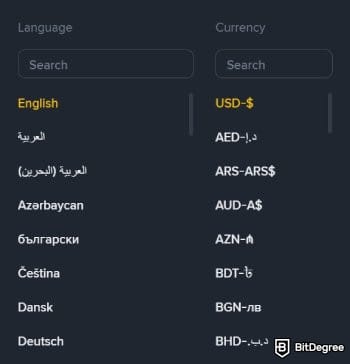
Being a global crypto exchange means making the platform accessible to people from different regions and countries worldwide. In that regard, I think Binance has done a good job. As I write this Binance review, the exchange supports more than 20 languages. These include English, German, Arabic, and Mandarin.
Similarly, you can switch the currency display to more than 50 options, including USD, TRY, CNY, and EUR. This makes it easy to understand the real value of your assets without having to do mental math every time you check your portfolio.
On the less appealing side, the features available to you will depend on where you're accessing Binance from. Some countries and regions have limited features. For example, futures and margin trading are often unavailable in places that ban crypto derivatives for retail traders.
Binance also supports a wide range of fiat currencies, both for deposits and withdrawals.
Overall, I think it's a strong global showing. Though knowing your local restrictions upfront will save you from any surprises down the line.
Trading Tools
As I mentioned multiple times in this Binance review, it is an all-in-one platform. The platform offers a wide range of tools and features that cater to all levels of users, from beginners to advanced traders. These include:
- Spot trading
- Margin trading
- Copy trading
- Futures
- Demo trading
- Trading bots
At the core of it all is spot trading, which is where most users will naturally start. It’s the simplest way to buy and sell crypto at current market prices or through limit orders, and Binance makes this fairly accessible with both basic and advanced interfaces.
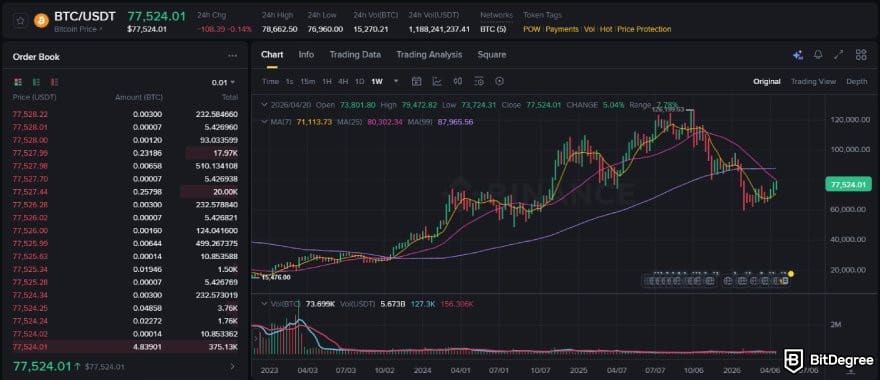
But once you’re comfortable, the platform quickly opens the door to more complex tools like margin trading and futures, which allow you to amplify positions using leverage. These can be powerful if you know what you’re doing, but they also come with higher risks, so they’re definitely not for complete beginners.
📚 Read More: What is Margin Trading in Crypto
If you’re not quite ready to trade actively, Binance also offers features like copy trading. This lets you mirror the strategies of more experienced traders, which can be a helpful learning tool or even a passive approach to trading. It’s not a guaranteed win, of course, but it does lower the barrier for users who want exposure to more advanced strategies without diving in headfirst.
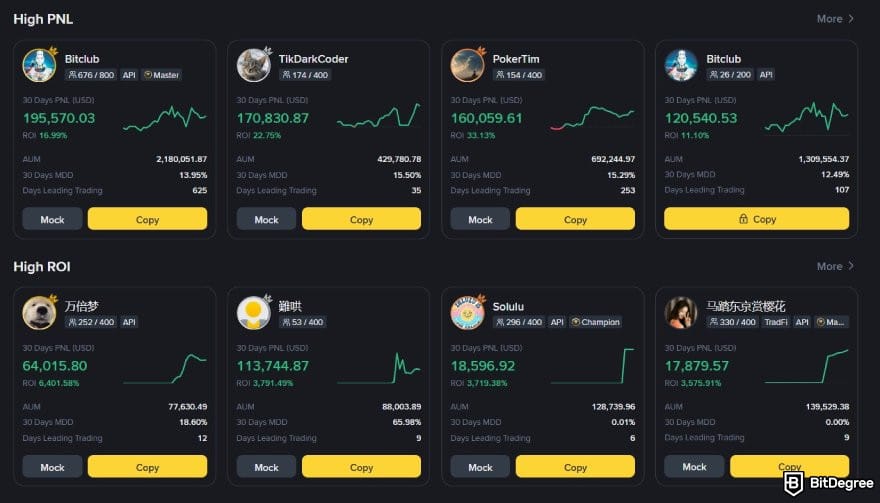
To round things out, Binance also includes demo trading and automation tools like trading bots. Demo accounts are especially useful for testing strategies without risking real money, while bots can help execute trades based on predefined rules. Together, these features make Binance feel less like a basic exchange and more like a full trading ecosystem.
Staking and Earning Rewards
On the other end of the spectrum, Binance provides several ways to earn without actively trading. Binance Earn is a suite of products designed to help you generate passive income from idle crypto assets instead of letting them sit unused in your wallet.
At the entry level, you have Simple Earn, which is exactly what it sounds like. It’s built for beginners and long-term holders who want a low-effort way to earn. You can choose between flexible products, where you can withdraw anytime with lower returns, or locked products, where you commit your funds for a set period in exchange for higher yields.
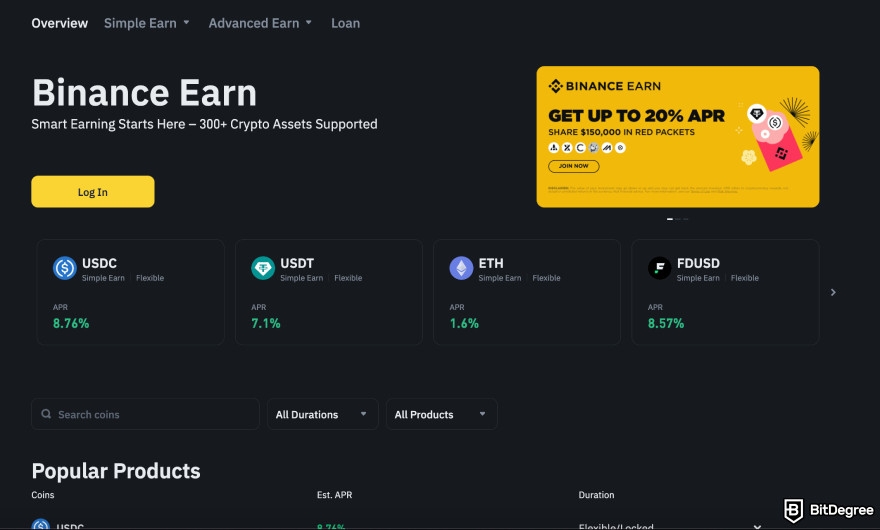
Binance also includes staking options (like ETH or SOL staking) under this umbrella, giving you more ways to earn rewards while holding your assets.
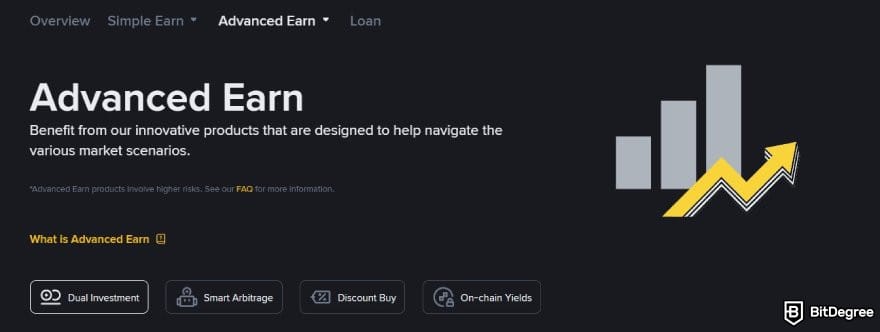
If you’re looking for higher returns and don’t mind a bit more complexity, Advanced Earn steps things up. This includes products like dual investment and on-chain yields, which often involve more strategy and market exposure. The potential rewards can be significantly higher, but so are the risks, making this better suited for experienced users who understand how these mechanisms work.
Finally, Binance also offers a crypto loan feature, which adds another layer of flexibility. Instead of selling your assets, you can use them as collateral to borrow funds, either for trading, liquidity, or other opportunities. It’s a useful tool if you want to stay invested while still accessing capital, though it does come with interest rates and liquidation risks to keep in mind.
Bonuses and Special Offers
Binance also offers a fairly generous welcome incentive, especially if you sign up through a referral link. At the time of writing, new users can unlock up to $600 in trading fee credit, which is distributed through a series of tasks rather than given as a lump sum.
This bonus is tied to simple actions like completing KYC verification, making your first deposit, and executing initial trades. The more you use the platform within your first few weeks, the more of that bonus you can unlock. On top of that, many referral offers also include trading fee discounts, which can make a noticeable difference if you plan to trade regularly.
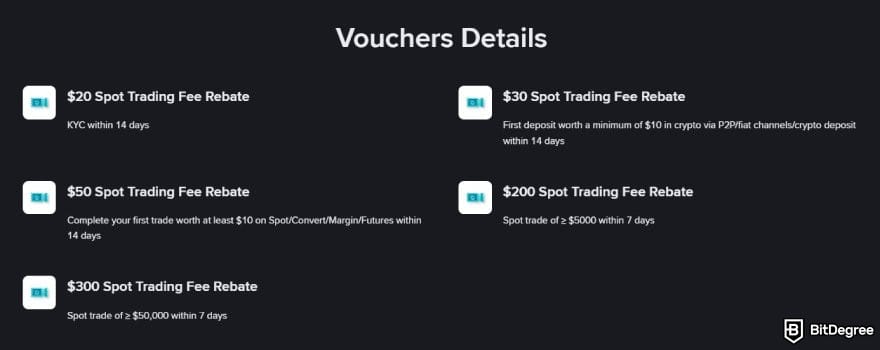
It’s worth noting that these bonuses are designed to encourage activity, so you don’t necessarily need to hit the full $600 to benefit. Even completing a few entry-level tasks can get you started with reduced fees and some extra rewards on the side.
So, if you’re planning to try Binance anyway, you might as well take advantage of what’s on the table. If you are interested, check out this special coupon to get the $600 trading fee credit:
Coinbase Deal Active Right Now:
Fees and Limits
In most cases, trading on crypto exchanges includes fees and limits. This factor is often what makes or breaks a platform for many crypto traders. After all, why would you choose an exchange that cuts too deep into your profits every time you make a move? From my experience using Binance, I think it has a fair, competitive, and transparent fee structure.
The platform uses a tiered VIP model for its trading fees. This means the higher your VIP level is, the lower the fees for your trades. I can blabber on and on about how it works, but it is better to see it for yourself. Here is the spot trading fee structure on Binance, ranging from the regular account to VIP level 3, to give you a better idea.
30-Day Trade Volume (USD) | Maker/Taker Fee | |
|---|---|---|
Regular | < 1,000,000 | 0.100%/0.100% |
VIP 1 | ≥ 1,000,000 | 0.090%/0.100% |
VIP 2 | ≥ 5,000,000 | 0.080%/0.100% |
VIP 3 | ≥ 20,000,000 | 0.040%/0.060% |
Table: Binance spot trading fee structure
As you can see, your Binance VIP level is related to your last 30-day trading volume. These fees can go as low as 0.011% maker/0.023% taker for a VIP 9 account, which requires you to have at least $4,000,000,000 trading volume in the last 30 days, and 5,500 BNB or more in your balance. So, in short, Binance rewards those who trade more and hold more.
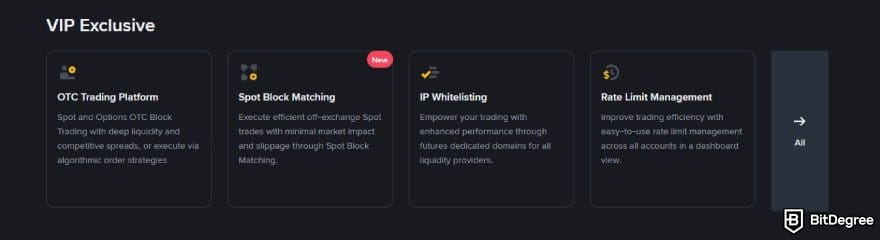
This is a pretty common model used by many other exchanges in the industry. However, Binance stands out with a relatively competitive fee structure, at least when compared to other big names. Let's take a look at this comparison table between Binance, Bybit, and Kraken's spot trading fees:
Binance | Bybit | Kraken | |
|---|---|---|---|
Highest | 0.100% maker/0.100% taker | 0.100% maker/0.100% taker | 0.25% maker/0.40% taker |
Lowest | 0.011% maker/0.023% taker | 0.045% maker/0.03% taker | 0.00% maker/0.05% taker |
Table: Comparison between Binance, Bybit, and Kraken's spot trading fees
Aside from spot trading, Binance has different fees for other trading methods like futures contracts. For example, the USDⓈ-M futures start with 0.0200% maker/0.0500% taker and can go as low as 0.0000% maker/0.0170% taker if you reach VIP account level 9.
This is not far off from Bybit's perpetual and futures contracts trading fees. Take a look:
Binance (USDⓈ-M Futures) | Bybit (Perpetual & Futures Contracts) | |
|---|---|---|
Highest | 0.0200% maker/0.0500% taker | 0.0200% maker/0.0500% taker |
Lowest | 0.0000% maker/0.0170% taker | 0.000% maker/0.0300% taker |
Table: Comparison between Binance and Bybit's futures trading fees
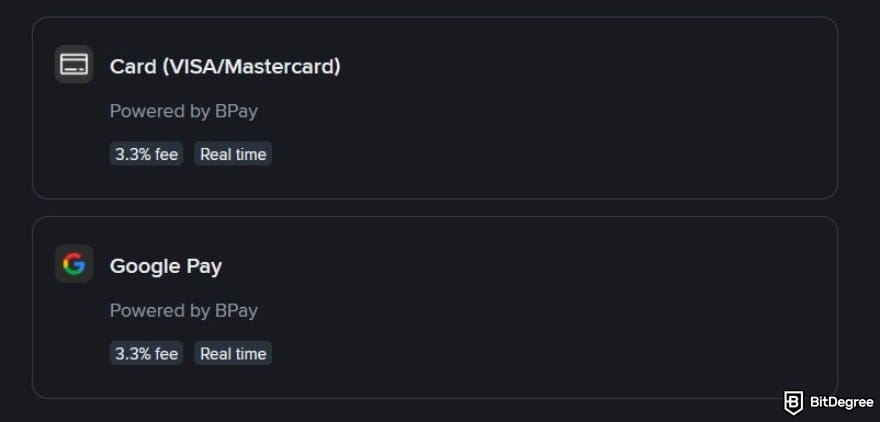
Last but not least, let's take a look at Binance's deposit and withdrawal fees. At the time of writing this Binance review, deposits are mostly free, except for several payment methods like credit/debit cards.
As for withdrawals, the fees will be different depending on what currency, method, and blockchain network you prefer. Here is a brief look at the withdrawal fees for some popular assets supported on Binance:
Withdrawal Fee | |
|---|---|
BTC (Bitcoin) | 0.000015 BTC |
ETH (ERC20) | 0.00035 ETH |
USDC (Base) | 0.5 USDC |
EUR (SWIFT) | €35 |
USD (SWIFT) | $25 |
Table: Withdrawal fees on Binance
Remember that fees may change over time. I recommend checking the Fees page on Binance's website for the most up-to-date information on transaction costs.
📚 Read More: Binance Fees
In addition to these fees, you also need to be aware of the deposit and withdrawal limits on Binance, which are closely tied to your account VIP and verification level. For context, the 24-hour withdrawal limit for a regular account is 8 million USDT and can go as high as 96 million for VIP 9 users.
Just keep in mind that you'll need to provide personal details, valid identification documents, and complete a liveness check to pass the KYC.
So far, it looks like Binance offers a fairly competitive fee structure, especially when compared to other reputable names like Bybit and Kraken. Is it the cheapest CEX out there? No, far from it even. But with strong liquidity, a trusted reputation, and fees that scale in your favor as you grow, I believe it's a trade-off most serious users are willing to make.
Customer Support
Currently, the main support channel for the Binance crypto exchange, on both the desktop website and the mobile app, is through its live chat feature. It is primarily a chatbot that can help you solve basic issues by referring you to the available resources. However, you will have an option to reach an actual support agent for more complex problems.

Personally, I've never had any major issues with my Binance account, so the support setup has always been enough for me. The help center is well-organized. You can browse by common topics like ID verification, deposits and withdrawals, or basic trading before you even need to reach out to the bot. For most everyday questions, you'll likely find what you need without going any further.
But to be fair, that probably prevented me from making a fully objective opinion about Binance's customer support. Apparently, many people don't like the idea of navigating chatbots before reaching a human agent. This adds friction to the overall process, especially if you need a quick resolution to an urgent issue.

Additionally, some users reported that Binance support can be slow at times. Several posts on forums like Reddit express that they need to wait for days to resolve issues like KYC verification, P2P dispute, or liquidation complaints.
So, while I can't fully validate those reports based on my own experience, if there's one area where I'd like to see Binance step up, it's this. A platform this big should have support that matches its scale.
User Experience
In my experience, navigating Binance on both desktop and mobile is remarkably smooth. The menus are laid out clearly, the trading interface is responsive, and everything feels like it's exactly where you'd expect it to be. In day-to-day activities like checking your portfolio and placing a trade, the platform rarely gets in your own way.
Another thing you’ll quickly notice is how fast trades get executed. Thanks to Binance’s massive trading volume[2] and deep liquidity, most orders, especially on popular trading pairs, are filled almost instantly. This makes a real difference whether you’re placing simple market orders or trying to enter and exit positions at specific price levels, since there’s usually enough activity to match your trade without noticeable delays.
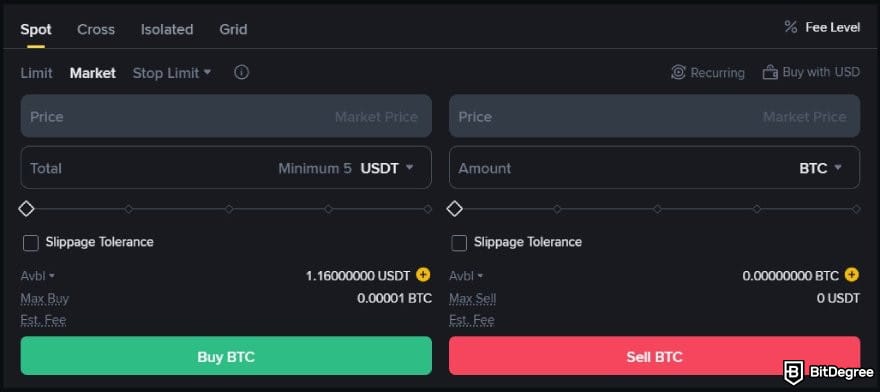
That said, there’s no getting around the fact that Binance can feel overwhelming at first. With so many features packed into one platform, beginners might find themselves unsure of where to click or what to do next. Spot trading, futures, staking, NFTs, Launchpad, it's a lot to unpack when you're just trying to find your footing.
But to be fair, that's not unique to Binance. Most full-featured exchanges come with a learning curve, and the more tools a platform offers, the steeper that curve tends to be.
📚 Check Out: Binance Spot Trading Guide
The good news is that help is never too far away. Because Binance is so widely used, there’s a huge amount of guides, tutorials, and community discussions available online. So if you ever feel stuck, chances are someone else has already asked and answered the same question.
How to Use Binance
As I said, Binance is an intuitive crypto exchange, and I believe anyone can use it given enough time. But I'm here to jump-start your journey! Here are some easy-to-follow guides on how to use the Binance exchange, starting from creating an account to withdrawing funds from the platform.
How to Create an Account
Let's start by making a new account on Binance. This should be a breeze, assuming you live in one of the supported regions, but regardless, take a look at this guide:
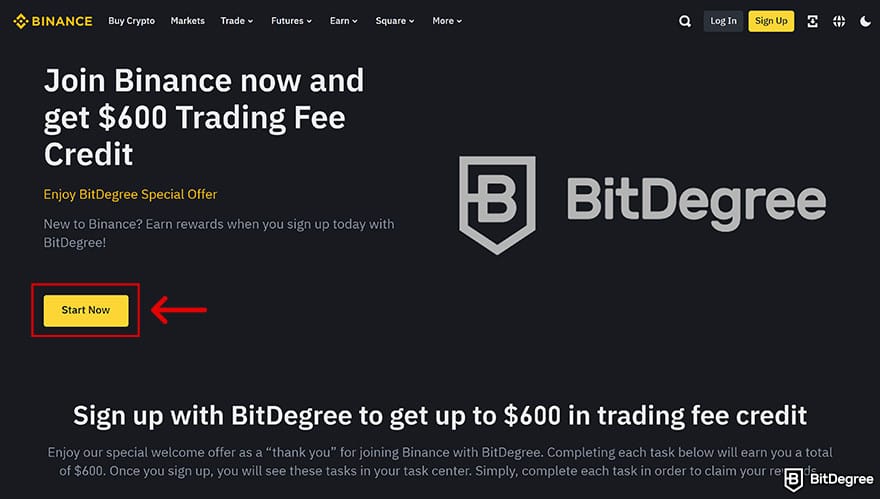
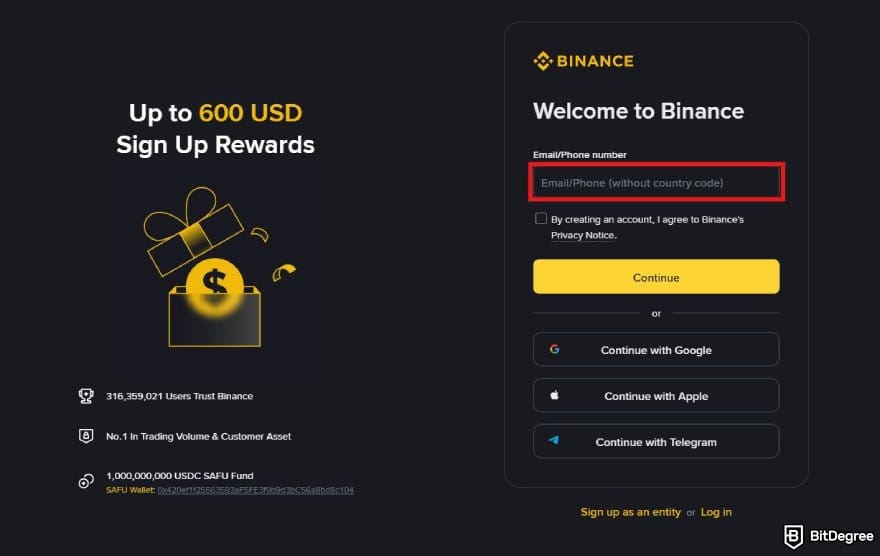
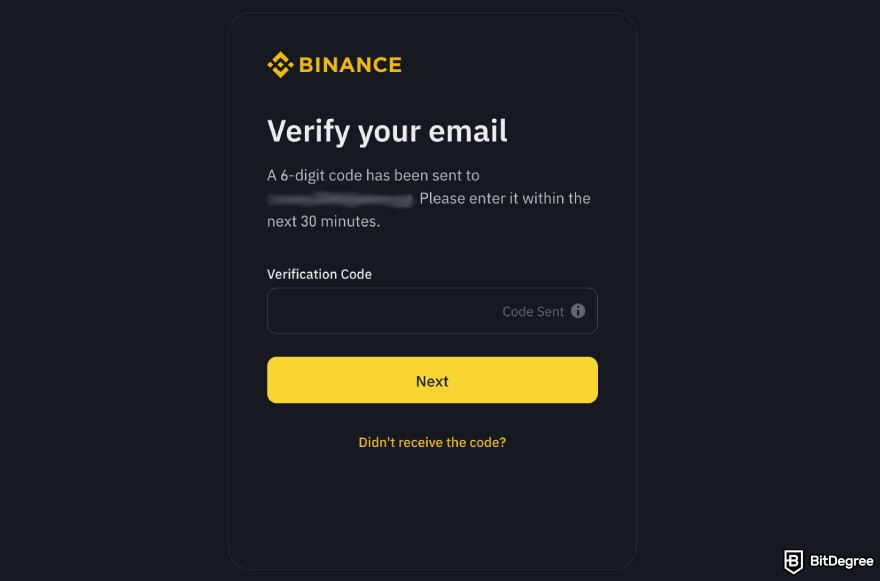
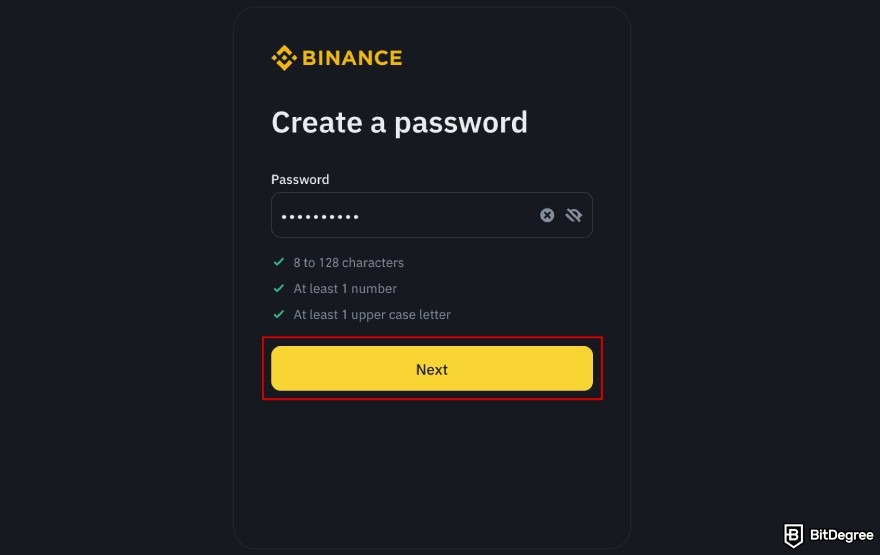
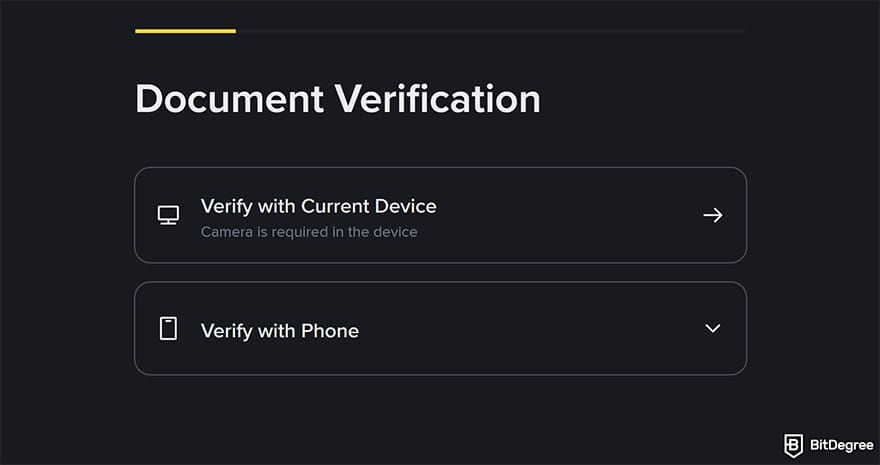
There you go. I've mentioned earlier that there are several verification levels on Binance. Higher KYC levels will give you some benefits, like higher deposit and withdrawal limits. But the basic verification level is mandatory to unlock essential features on the exchange.
How to Deposit
With an account ready and verified, you're ready to make the first deposit on Binance. Follow these steps to deposit fiat on a desktop:
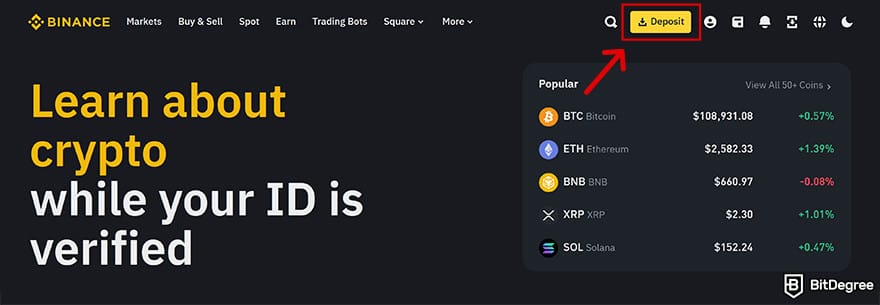
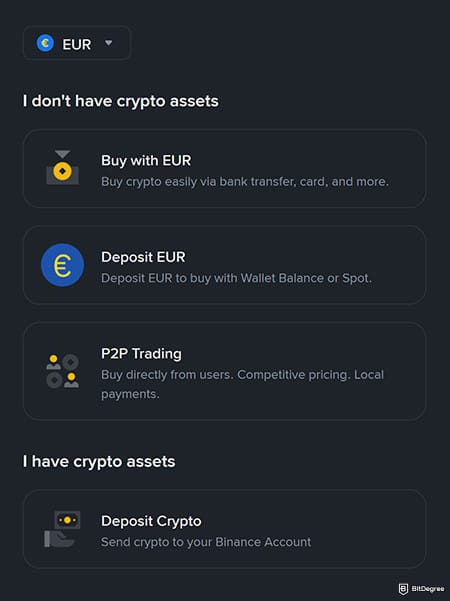
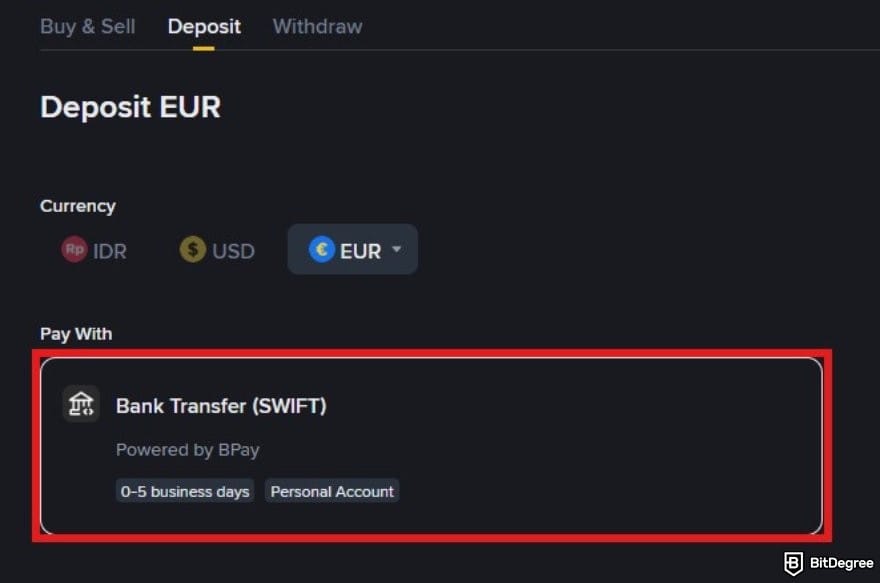
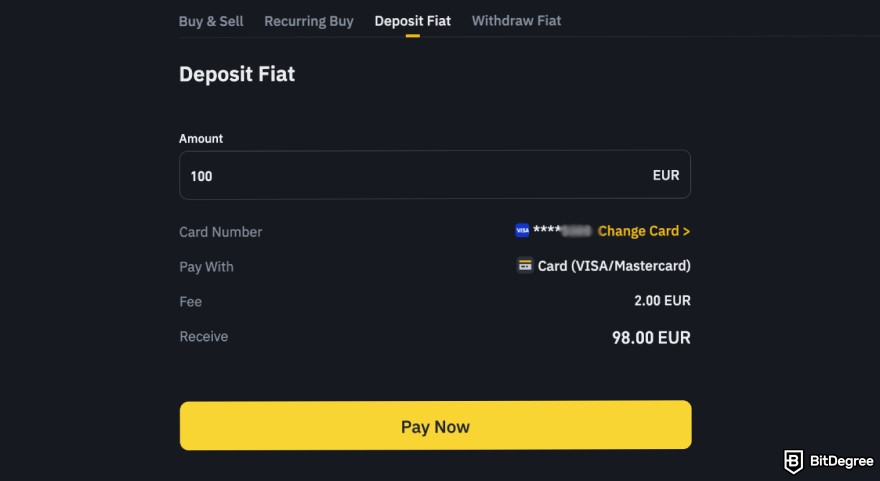
You also have the option to deposit cryptocurrencies from your external wallet to your Binance account. Follow these steps to do it:
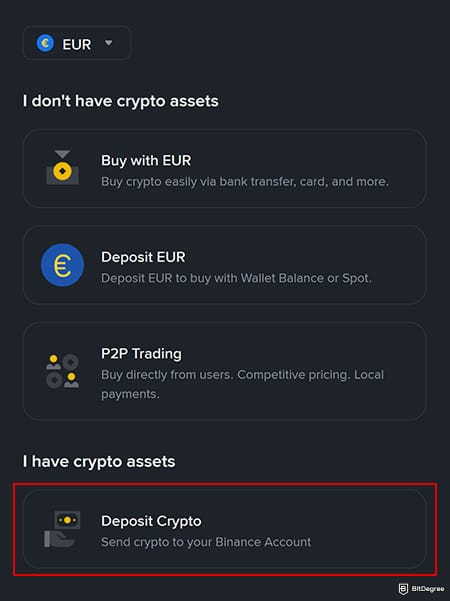
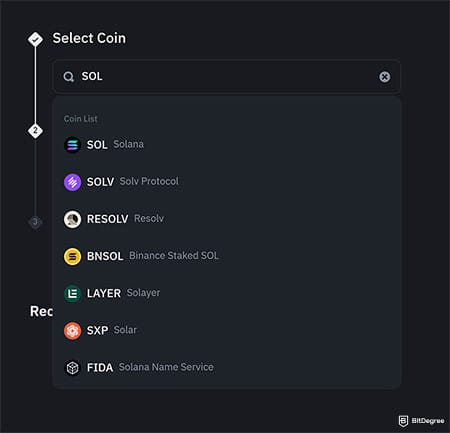
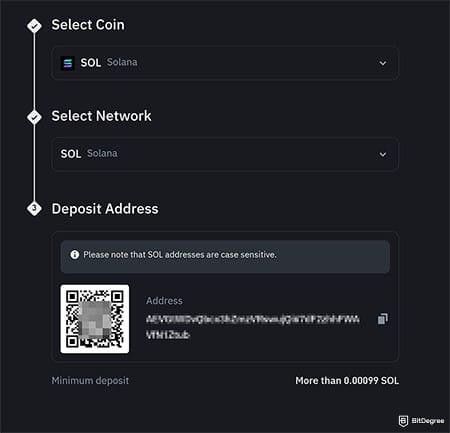
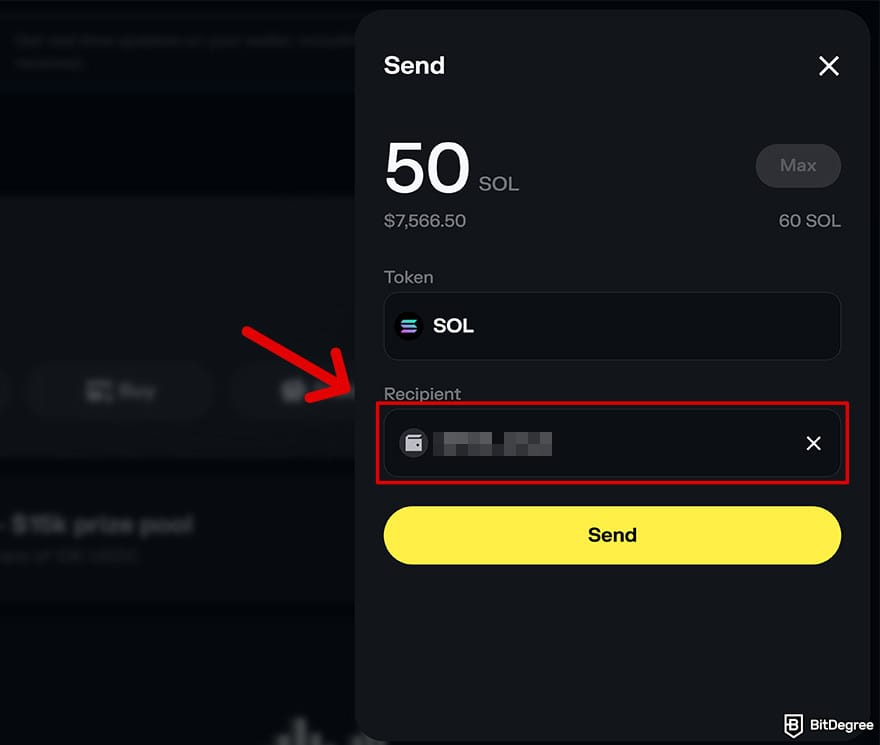
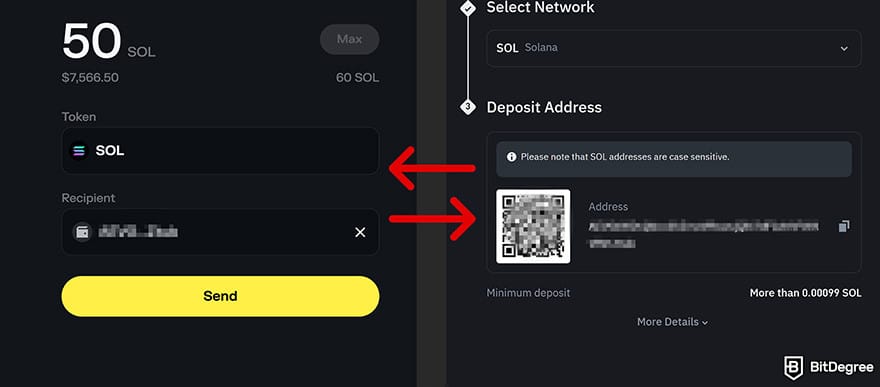
Congratulations! Your Binance exchange account is now funded, and you’re ready to make your first trade.
How to Trade
Now that I have shown you how to add fiat and crypto to your Binance account, let's move on to making your first trade. There are over 350 different cryptocurrencies to choose from, but in this example, I will show you how to trade (in other words, buy) Bitcoin.
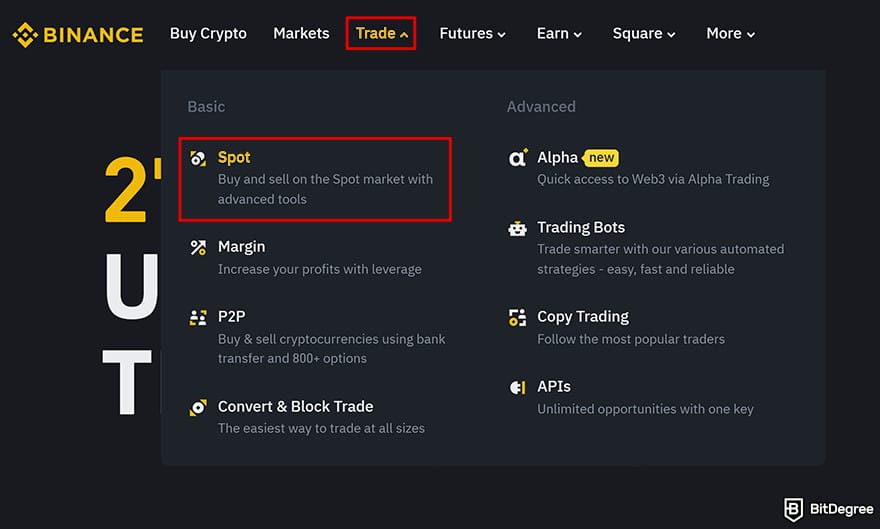
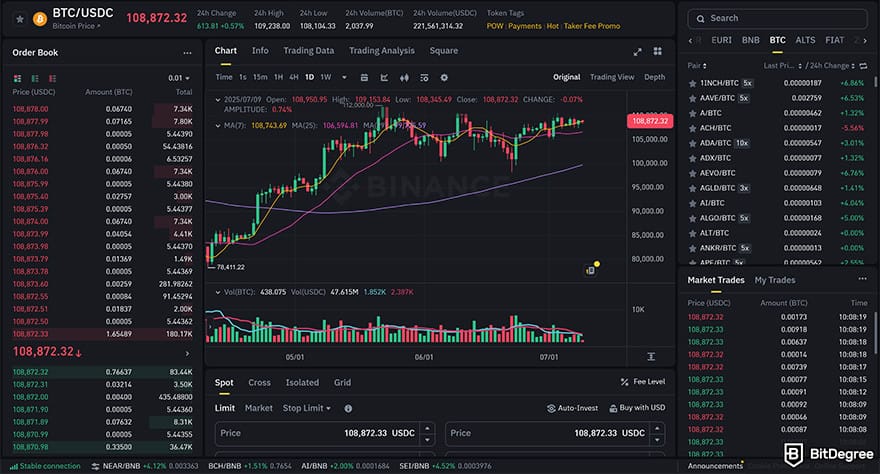
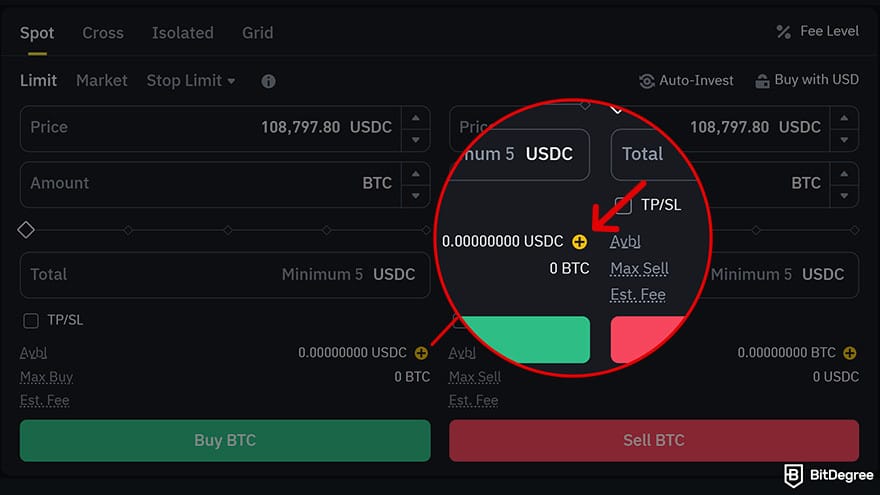
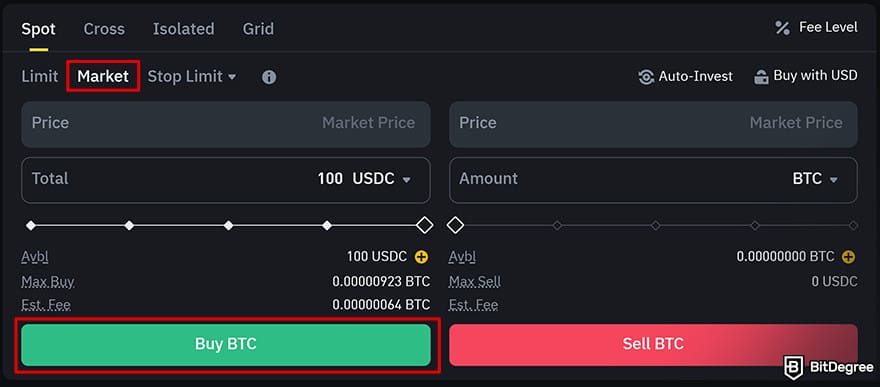
Selecting the Market order will allow you to buy your cryptocurrency for the current market price. This will offer you the best price that’s currently available. If you select Limit, this will allow you to enter the exact price you would like to buy at, and this is an option for more experienced, short-term investors.
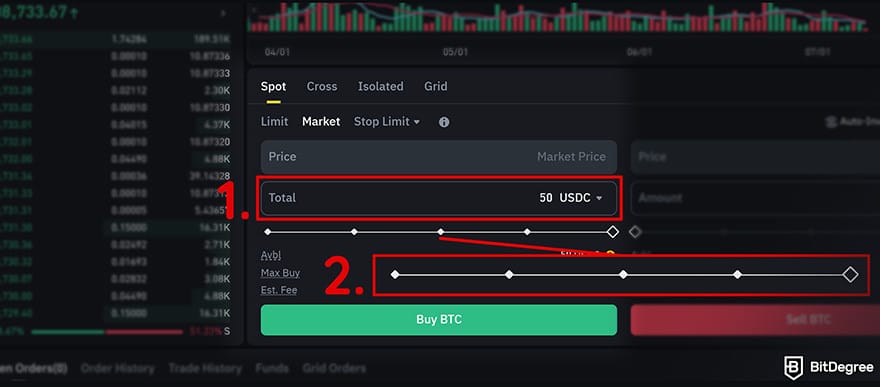
Congratulations, you just did your first crypto-to-crypto exchange!
How to Withdraw
At this stage of my Binance review, you already know how to trade on Binance, but what if you want to withdraw your funds? Well, let’s see how to do that, too!
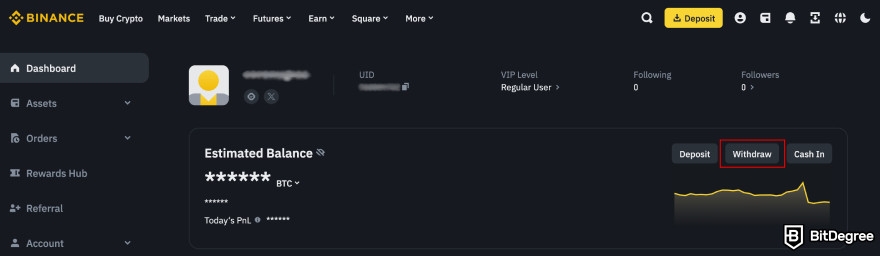
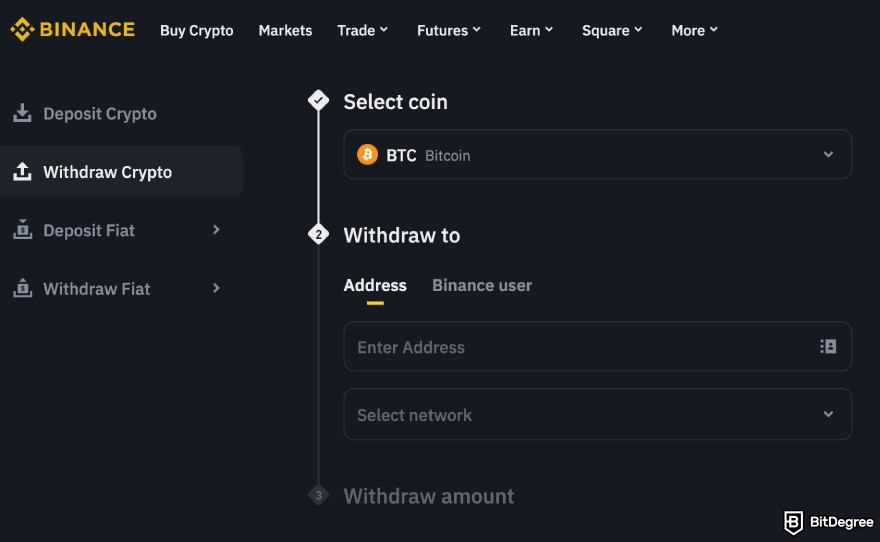
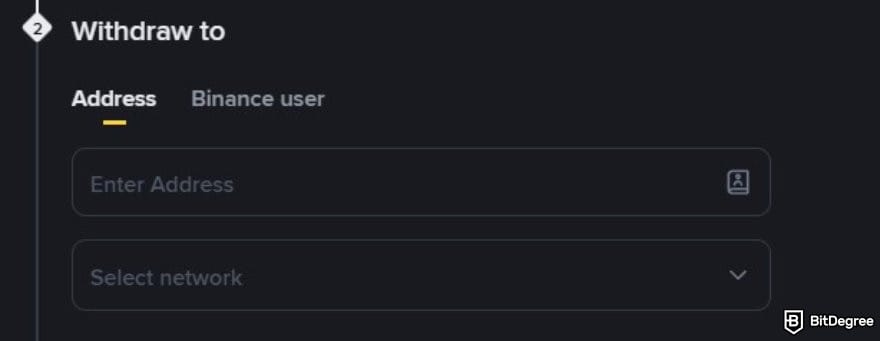
Binance withdrawals are normally quick and usually take no longer than 30 minutes to reach your destination wallet. However, if the network is busy, it could take longer.
If you want to withdraw crypto as cash to a bank account, you can also do so with Binance. Though, only to your own bank account, and it is quite costly and a bit complicated at first.
That said, you can withdraw crypto from Binance to Ogvio and then cash it out to any bank account (your own or someone else’s) quickly and with the lowest rates in the industry.

- Accepts fiat currencies
- Simple to use
- Supports only trusted cryptocurrencies
- A leading cryptocurrency exchange platform
- Best for all type investors
- Accepts fiat currencies

- Industry-leading security
- Accepts fiat currencies
- Advanced trading tools
- Industry-leading security
- Strong regulatory reputation
- Advanced trading tools

- Wide range of tradable assets
- Robust copy trading feature
- Flawless security record
Conclusions
If you have read my Binance review from start to finish, you should now be able to decide if it is the right exchange for you. There are many advantages of using Binance. However, there are also some disadvantages to consider, such as not being able to reach customer support via phone.
Whether you decide to use the platform or not, at least now you know how to use Binance, and you can easily deposit, trade, and withdraw funds!
In my opinion, Binance is one of the best cryptocurrency exchanges for trading. It offers a great, easy-to-use interface that caters to all types of traders. Not only that, but it’s a platform you can trust.
Speaking of trustworthy platforms, if you want a seamless way to move the crypto you've traded on Binance or other exchanges, check out Ogvio. It allows you to move both fiat and crypto quickly and at low costs (even to bank accounts).
The content published on this website is not aimed to give any kind of financial, investment, trading, or any other form of advice. BitDegree.org does not endorse or suggest you to buy, sell or hold any kind of cryptocurrency. Before making financial investment decisions, do consult your financial advisor.
Scientific References
1. Y. Suga, M. Shimaoka, M. Sato, H. Nakajima: ‘Securing Cryptocurrency Exchange: Building up Standard from Huge Failures’;
2. D. Bianchi, M. Babiak, A. Dickerson: ‘Trading Volume and Liquidity Provision in Cryptocurrency Markets’.
About Article's Experts & Analysts



- + A very well-known crypto exchange platform
- + More than 350 tradable cryptos available
- + Two-factor authentication
- + Extensive trading options
- + Emphasis on security and KYC
- + Supports fiat-crypto acquisitions
- - Reports of mediocre customer support
See BETTER-RATED Exchanges
A versatile, low-fee exchange with a wide range of features, making it suitable for both beginners and advanced traders.
Disclosure: To keep our site running & free of charge, we may sometimes receive a small commission if a reader decides to purchase services via some links on site, at no extra cost.