Key Takeaways
- BTCC TradFi lets you trade price movements on major US stocks like Tesla and Nvidia directly from your crypto account;
- The process is straightforward and you can place your first stock trade in minutes;
- Leveraged stock contracts carry real risk, so setting a stop loss, starting with low leverage, and using the demo account first are essential for beginners.

Learning how to trade US stocks for beginners doesn't have to mean navigating a traditional brokerage, dealing with account paperwork, and keeping your investments split across two completely separate platforms.
BTCC, one of the longest-running crypto exchanges in the world, now lets you trade price movements on the biggest US stocks directly from your futures account, using USDT as margin.
I've mapped out everything you need, from funding your account to placing your first stock trade, so you can go from zero to your first position without the guesswork. Ready? Let's begin!

Did you know?
Subscribe - We publish new crypto explainer videos every week!
What is Chainlink? LINK Explained Simply (ANIMATED)


Table of Contents
- 1. What Is BTCC TradFi?
- 2. Before You Start Trading US Stocks
- 2.1. Create Your BTCC Account
- 2.2. Funding Your Account
- 3. How to Trade US Stocks for Beginners on BTCC
- 4. BTCC Stock Trading Fees
- 5. Stock Trading vs Crypto Trading on BTCC
- 6. Who Can Use BTCC TradFi?
- 7. Risk Management Basics for Beginners
- 8. Why Trade Stocks on BTCC?
- 9. Conclusions
What Is BTCC TradFi?
Before we dive deeper into how to trade US stocks on BTCC, let's establish the basics first. TradFi stands for "Traditional Finance". Why the distinction? Because BTCC started as a crypto exchange, adding traditional financial assets like stocks, metals, and forex to a crypto platform is a big deal.
Latest Changelly Coupon Found:With BTCC's TradFi, you no longer need a separate brokerage account to get exposure to US equities. Everything sits in one place, under one login, margined in USDT. Which is exactly what makes BTCC one of the more compelling answers to the question of whether you can trade stocks on a crypto exchange.
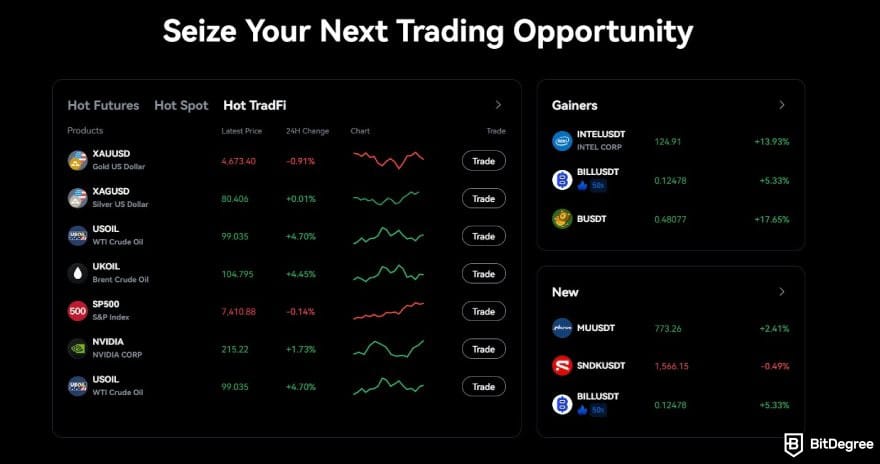
Instead of buying and owning shares outright, you're trading contracts that follow the price of real-world assets. Tesla goes up, your long position goes up with it. Apple drops, your short profits.
In other words, you never hold the stock itself, just the price exposure. If you've ever traded crypto futures on BTCC, the mechanics are identical.
Stocks | Tesla, Nvidia, Apple, and more |
|---|---|
Precious metals | Gold (XAU), Silver (XAG) |
Forex | EUR/USD, GBP/USD |
Indices | S&P 500, TECH100 |
Commodities | Oil and others |
Table: Asset classes on BTCC TradFi and the examples
That's some of the TradFi lineup on BTCC, at least at the time of writing. It's worth knowing that you don't need to trade all of it at once. Picking one instrument you already follow is the smartest starting point. This applies regardless if you've been looking for a simple way to buy US stocks online or just want to consolidate your trading into one platform.
SpaceX is also tradable on BTCC, but you'll find it under USDT-M Perpetual Futures, not the TradFi tab.
Looking for more in-depth information on related topics? We have gathered similar articles for you to spare your time. Take a look!


Before You Start Trading US Stocks
Before you place your first stock trade on BTCC, there are two things you need sorted: an account and funds in it. Getting these right is the foundation of learning how to trade US stocks for beginners the right way. Here's how to get both done quickly.
Create Your BTCC Account
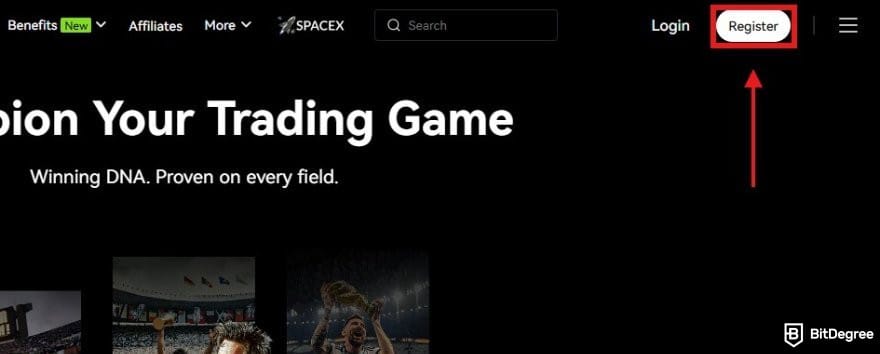
Making a new account on BTCC is fairly simple. Consider this your beginner's step-by-step starting point before your first live trade. Follow this guide to do it on a desktop:
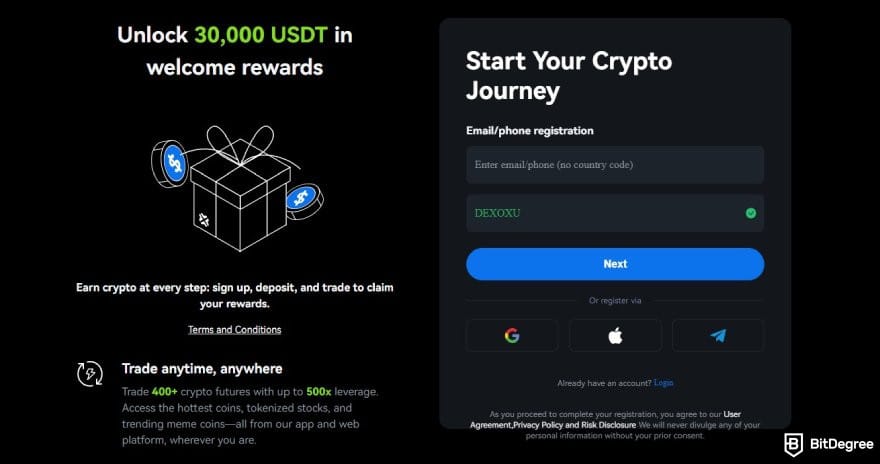
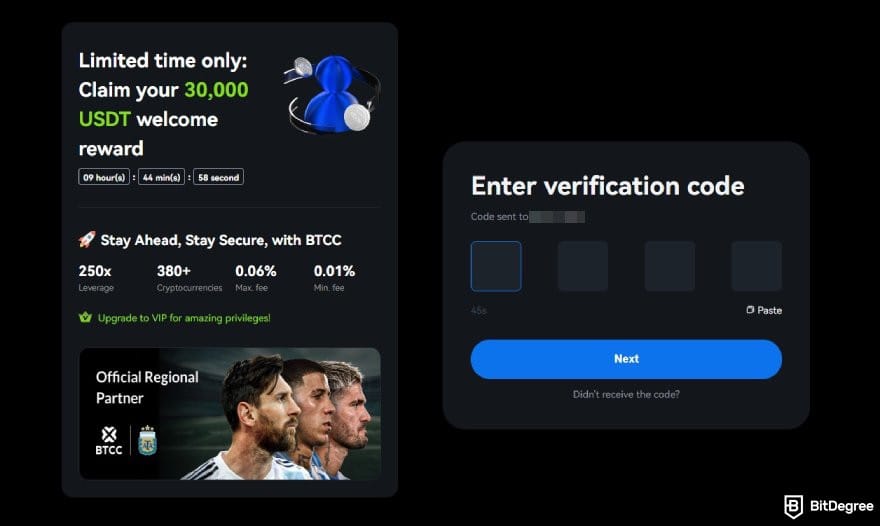
Aside from protecting your account, completing identity verification on BTCC will also increase your daily deposit and withdrawal limits. So, I highly recommend doing it as soon as you can.
Funding Your Account
Once you create a new account, it is time to make your first deposit to BTCC. Take a look at this guide on how to do it:
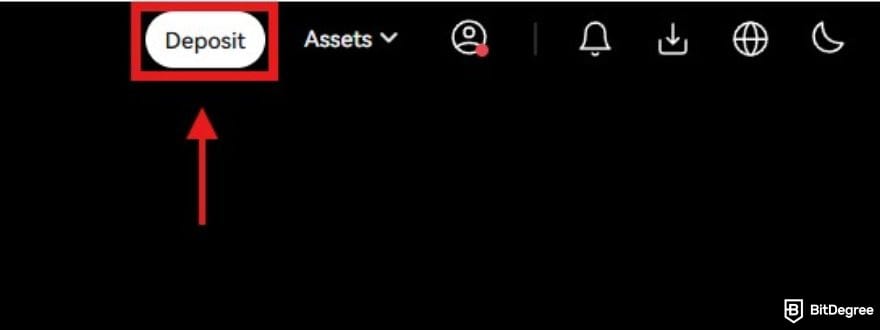
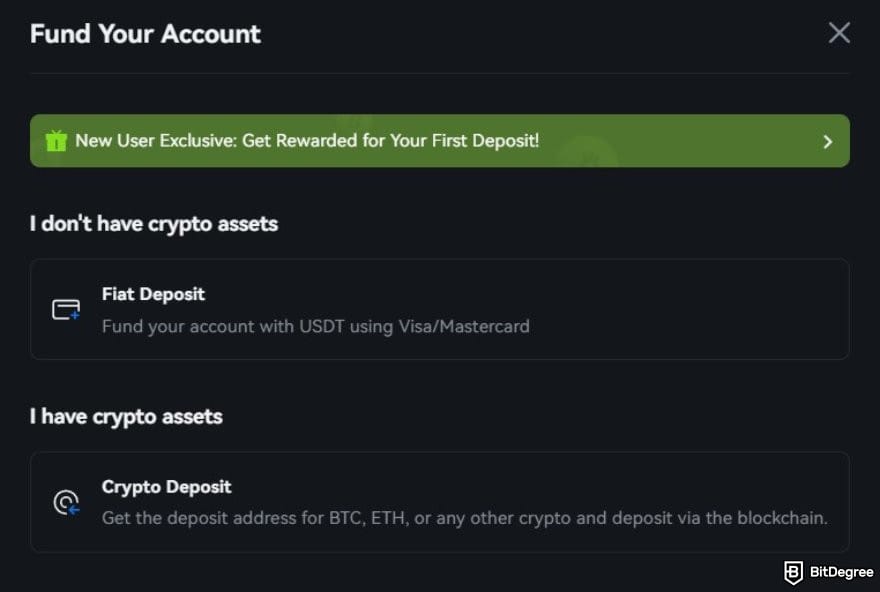
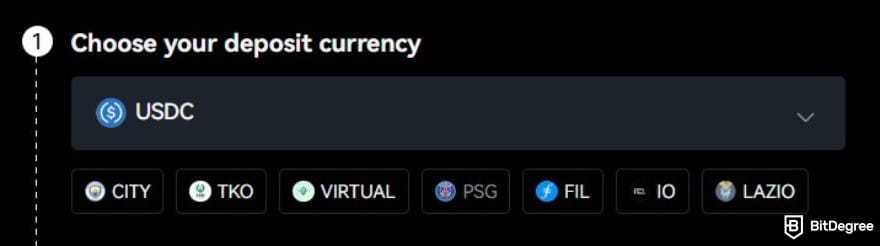
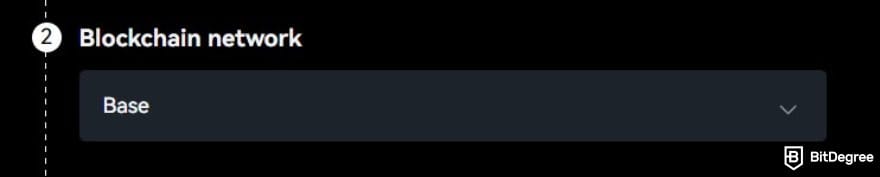
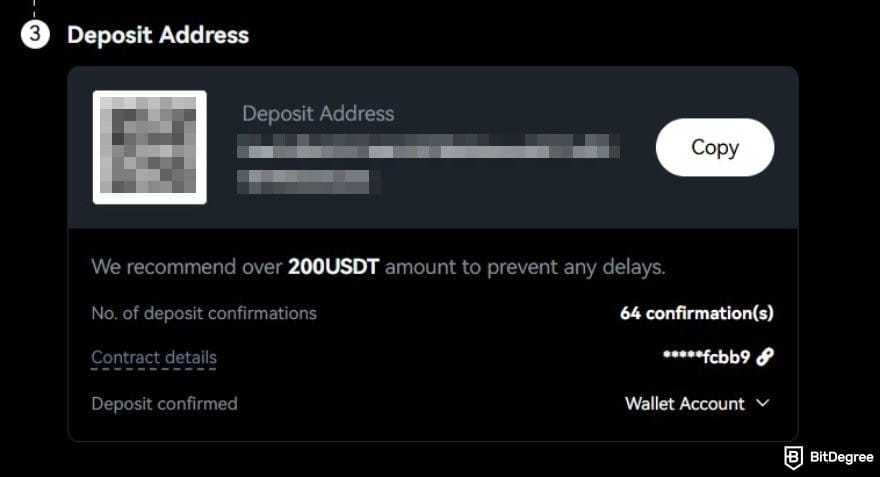
Alternatively, you can choose to deposit fiat currency to your BTCC account. Keep in mind that you'll need to complete the identity verification process before you do.
Both options carry zero deposit fees, which is worth noting since most platforms charge at least something here.
Once your funds are in your main wallet, you'll need to transfer them to your TradFi account before trading. Go to Assets > Transfer, then select [Wallet Account] to [TradFi Account], enter the amount, and confirm. Your funds will land instantly. Once that transfer confirms, you're officially set up and ready to learn how to trade stocks on a trading platform that combines crypto and TradFi under one roof.
How to Trade US Stocks for Beginners on BTCC
Create a new account, check! Make the first deposit, also check! Time to place your first US stock trade on BTCC. Here's exactly how to trade US stocks on the BTCC desktop web version.
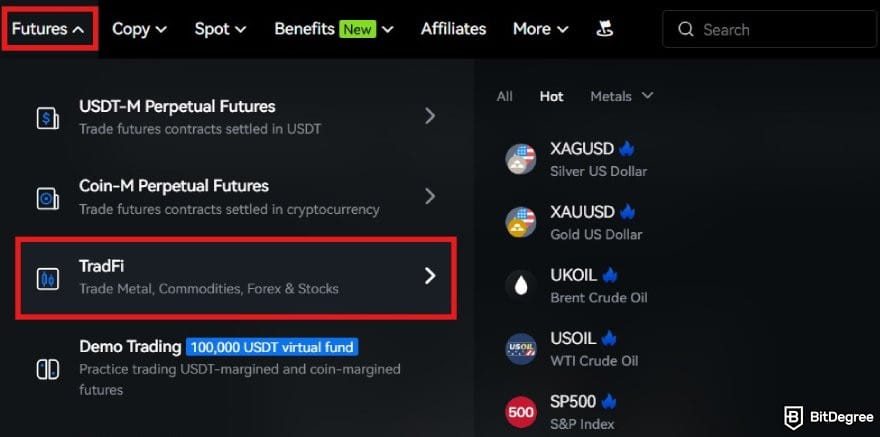
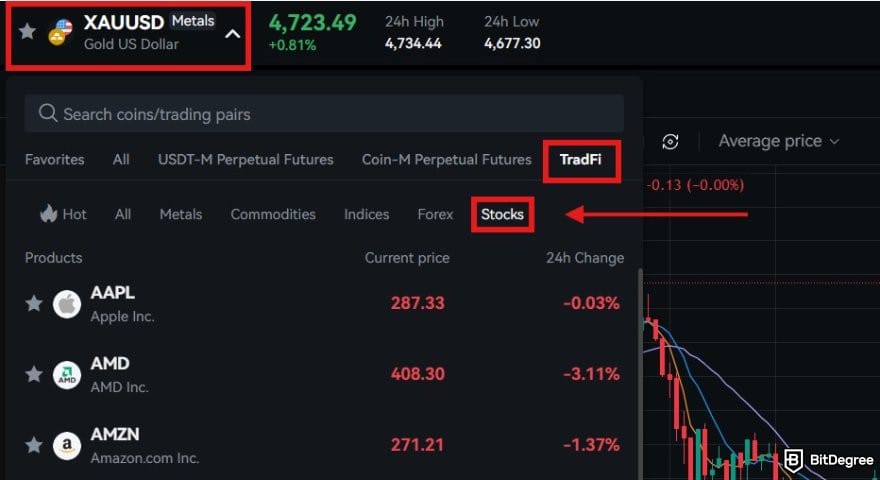
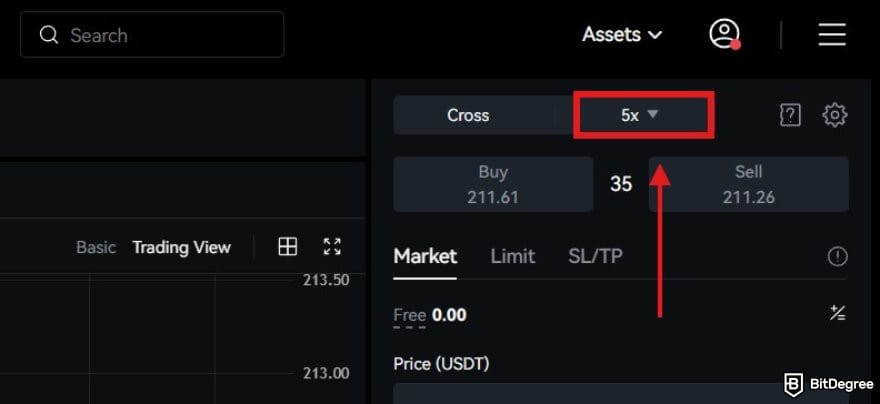
BTCC TradFi offers up to 50x on stocks, but the default may be set high. If you're starting out, dial it down manually. A 2x–5x range is a sensible starting point while you're still getting comfortable with how leveraged stock contracts move.
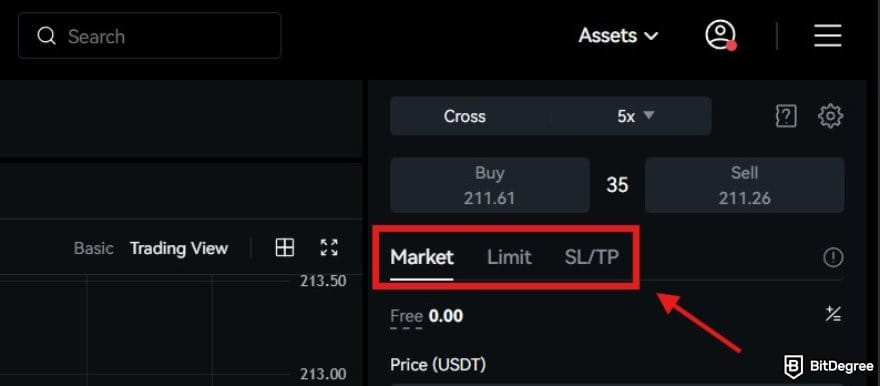
For beginners, limit orders are generally the safer default. With this order type, you control the entry price and avoid getting filled at an unexpected level during volatile moves.
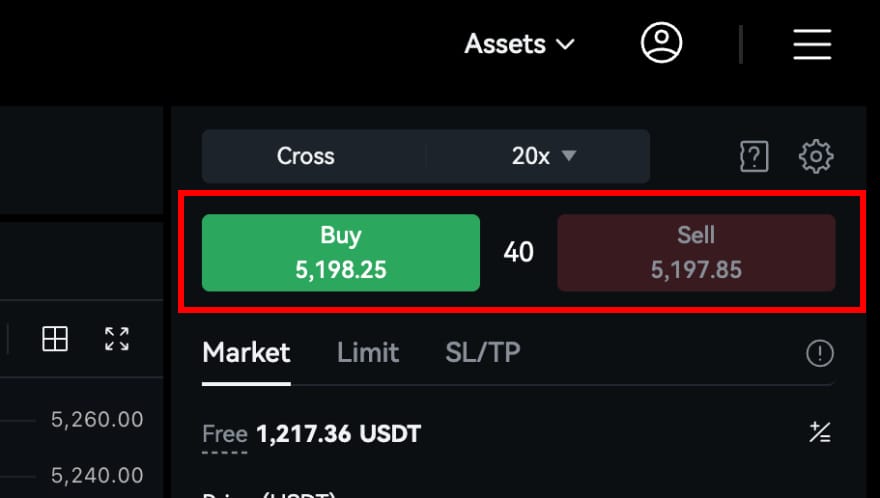
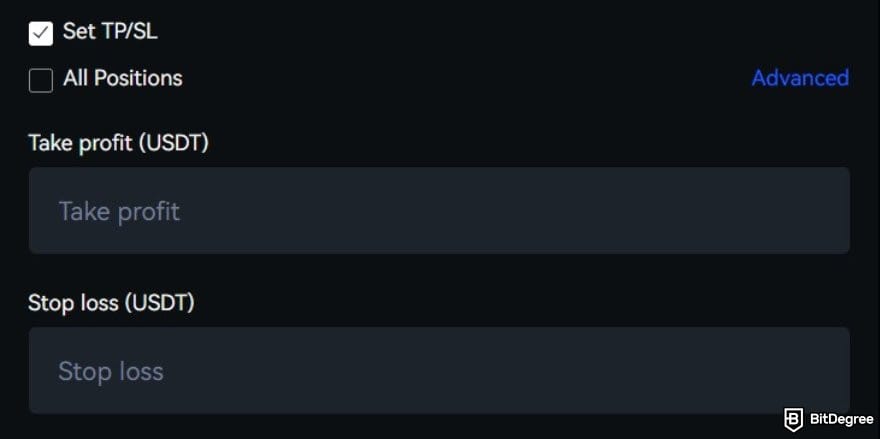
Before confirming, I recommend enabling the Take Profit and Stop Loss checkboxes and setting your levels. This isn't optional busywork. With leveraged contracts, an unprotected position can move against you fast.
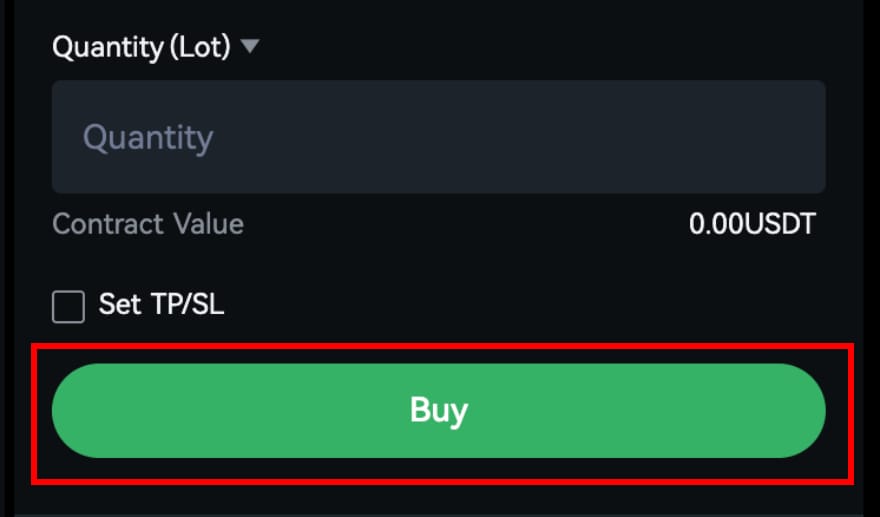
Not ready to trade with real money yet? BTCC offers a demo account loaded with 100,000 USDT in virtual funds. It's worth spending some time there first if you're new to futures-style trading.
Unlike crypto, US stock instruments on BTCC TradFi follow traditional market hours. So if you're placing orders outside of those windows, factor that into your timing.
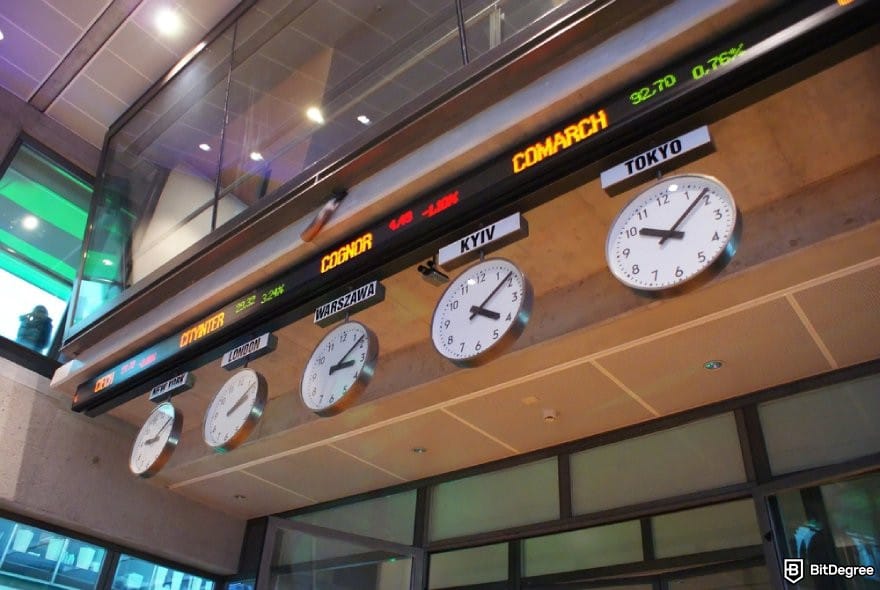
Additionally, if you're trading around major stock market events like earnings releases or Fed announcements, expect wider spreads and potential slippage. Limit orders are your best friend in those moments.
BTCC Stock Trading Fees
Understanding the fee structure before you start trading is just good practice. Here's a breakdown of what you'll actually be paying on BTCC TradFi. BTCC uses a standard taker/maker fee model for TradFi trading. The exact rate depends on your VIP level. The higher your level, the lower your fees.
You can qualify for VIP1 with a deposit of just 200 USDT, which immediately unlocks discounted rates.
Take a look at this table for a more detailed fee structure:
VIP 0 | 0.02% maker/0.06% taker |
|---|---|
VIP 1 | 0.02% maker/0.06% taker |
VIP 2 | 0.018% maker/0.042% taker |
VIP 3 | 0.017% maker/0.04% taker |
Table: BTCC futures trading fee structure
Additionally, BTCC also has a "Forced Liquidation Fee", which will incur if your position gets forcibly closed due to insufficient margin. But the good news is that no additional closing fee is charged on top of it. Think of it as a one-time cost for a worst-case scenario that good risk management should help you avoid entirely.
For USDT-margined futures, the fee is calculated as:
Liquidation quantity x liquidation price x liquidation fee rate.
The liquidation fee rate is 1.2% for most products, including TradFi stock contracts.
Now, let's go through a scenario to make this easier to understand. Say you open a long position on Tesla stock (TSLA) with a notional value of 1,000 USDT at VIP 0 rates. If you placed a limit order (maker), you'd pay 0.02%, which is 0.20 USDT in trading fees. If you went with a market order (taker) instead, the fee would be 0.06%, coming out to 0.60 USDT. Either way, the cost of entry is minimal.

Now imagine that same 1,000 USDT Tesla position goes the wrong way. The market moves sharply against you, your margin buffer runs out, and BTCC's system triggers a forced liquidation. At a 1.2% liquidation fee rate, you'd be charged 12 USDT as a liquidation fee. No additional closing fee gets added on top of that, but you've still lost your margin and paid a fee that a stop loss would have prevented entirely.
📚 Check Out: How to Avoid ETH Gas Fees
One thing worth highlighting is that BTCC does not socialize losses. If someone's liquidated position goes into negative equity, that's BTCC's problem to solve, not yours. The platform covers any shortfall through its Risk Reserve Fund, and no profits ever get clawed back from other traders to make up the difference. As a beginner, you probably won't think about this often, but it's good to know it's there.
Stock Trading vs Crypto Trading on BTCC
If you're learning how to trade US stocks for beginners, understanding how they behave differently from crypto is one of the most useful things you can get straight early on. Here are a few key differences worth understanding before you start trading stocks.
Stock Trading (TradFi) | Crypto Trading (Futures) | |
|---|---|---|
Trading Hours | Traditional market hours | 24/7 |
Margin Asset | USDT | USDT or Crypto |
Max Leverage | Up to 50x | Up to 225x |
Price Drivers | Earnings, macro data, Fed decisions | Market sentiment, on-chain activity, news |
Settlement | USDT | USDT or Coin-M |
Volatility | Generally lower | Generally higher |
Table: Comparison between stock trading and crypto trading on BTCC
That's the core of stock trading vs crypto trading in a nutshell. Same platform, same margin, but different rhythms and different price drivers.
The biggest practical difference is trading hours. Crypto never sleeps, but as I briefly mentioned above, US stocks follow Wall Street's schedule, typically 9:30 AM to 4:00 PM ET on weekdays. If you're used to reacting to price moves at 2 AM, that's a habit you'll need to adjust.
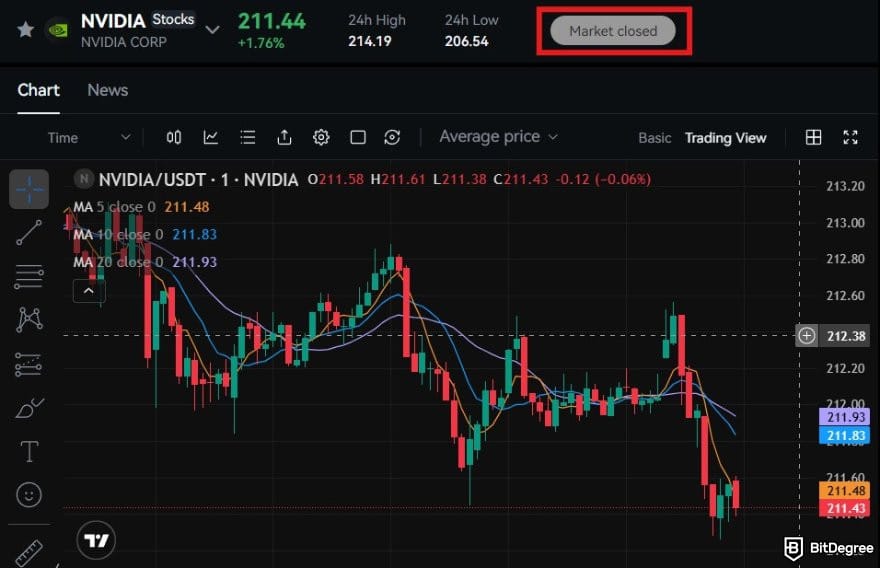
The other shift is what moves the price. Crypto reacts to sentiment, whale activity, and protocol news. Stocks move on earnings reports, macroeconomic data, interest rate decisions, and company-specific news. Neither is harder to trade, they just require different inputs to follow.
The upside of having both on BTCC is that your workflow stays the same regardless of what you're trading. You're just pointing it at a different market. But the more you understand the stock trading vs crypto trading dynamic, the easier it becomes to manage both from the same account without mixing up your approach to each.
Who Can Use BTCC TradFi?
BTCC TradFi is available to users worldwide, which is a bigger deal than it might seem at first glance. And if you're figuring out how to trade US stocks for beginners, BTCC TradFi is one of the more accessible routes available.
US and Canadian traders are specifically supported, with both USD and CAD accepted for deposits, which goes a long way toward making BTCC one of the best platforms for non-US residents to trade US stocks. So whether you're based in New York or Toronto, there's no currency friction to deal with before you can start trading.
The one box you'll need to tick first is identity verification, which involves a government-issued ID and a few minutes of your time. This is standard across any regulated trading platform. Once that's done, the full TradFi instrument list is yours to explore, and buying US stocks online becomes as straightforward as placing any other futures trade on the platform.
Risk Management Basics for Beginners
Knowing how to trade US stocks for beginners is also about protecting your capital while you're still learning the ropes. Leveraged stock trading can be seriously rewarding, but it can turn against you just as fast, especially if you're used to spot crypto trading, where you can ride out a dip without the threat of liquidation.
Before you start, here are the fundamentals worth getting into your head.
1
Always Set a Stop Loss
No exceptions here. With leveraged contracts, a position moving sharply in the wrong direction without a stop loss attached can wipe out your margin before you even have time to react. Research also shows that traders without stop-loss strategies tend to hold losing positions far longer than they should,[1] a behavioral bias that compounds losses rather than limiting them. Every single trade you open on BTCC TradFi should have one, full stop.
2
Don't Go Overboard on Leverage
BTCC TradFi offers up to 50x leverage on stocks, but that number isn't an invitation. Think of it as a ceiling built for experienced traders who know exactly what they're doing. For your first few trades, stick to the 2x–5x range,[2] get a feel for how the contracts move, and only scale up when you genuinely understand your own risk tolerance.
3
Understand How Liquidation Works
One of the less obvious things about learning how to trade stocks on a trading platform with leverage is that liquidation can happen faster than you'd expect. Keeping a margin buffer at all times is non-negotiable. If your account margin ratio drops to 100%, BTCC's system automatically closes your position, and not at a price you'll be happy with.

The fix is simple in theory: don't over-leverage, keep an eye on your open positions, and always maintain a buffer in your account. It's the kind of thing that feels obvious until it isn't.
4
Use Limit Orders When Things Get Choppy
Market orders during high-volatility moments, like earnings releases, Fed announcements, and surprise macro data, can get filled at prices you didn't expect. Limit orders put you back in control of your entry and exit, so they're worth defaulting to whenever the market is moving fast.
5
Remember That Stocks Don't Trade 24/7
This one catches a lot of crypto traders off guard. US stock instruments on BTCC TradFi follow traditional market hours, so orders placed outside those windows will sit until the next session opens. If you're trading across time zones, it's worth building that into your routine.
Why Trade Stocks on BTCC?
By this point, you've got a pretty good picture of what BTCC TradFi offers. If you're still weighing up how to trade US stocks for beginners without overcomplicating your setup, let's put it all together. Here's why trading stocks on BTCC is worth considering over opening a separate brokerage account.
One Platform for Everything
The most underrated thing about BTCC TradFi is the convenience factor. Crypto futures, spot trading, and now US stocks, all under one login, one margin asset, one interface. For anyone who's been looking for a simple way to buy US stocks online without opening a separate brokerage account, that convenience alone is worth a lot.
Zero Deposit Fees
Most trading platforms charge something to get your money in. BTCC doesn't. Whether you're depositing via Visa, Mastercard, or crypto transfer, there are no deposit fees to eat into your starting capital. This is a huge win, especially when you're just starting out and every dollar of your initial capital counts.
Flexible Leverage Up to 50x
BTCC TradFi gives you the range to trade your way, no matter what your strategy and preference are. Up to 50x leverage on stocks means you can size your exposure to match your strategy. Just remember to keep risk management tight when you do.
📚 Check Out: How to Leverage Trade Crypto
Web and Mobile Support
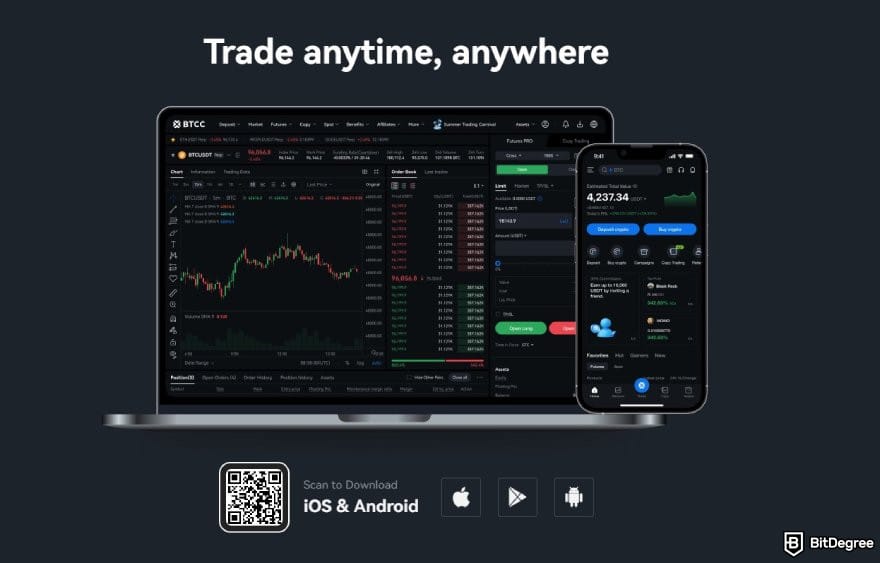
Knowing how to trade stocks on a trading platform like BTCC becomes second nature quickly, whether you're on desktop or mobile. The interface is consistent across both versions, and you don't have to spend more time just to familiarize yourself with a completely different layout every time you switch devices.
Access for US and Canadian Traders
Getting exposure to US stocks as a non-US resident through traditional brokerages can be a headache. BTCC removes that friction. USD and CAD are both supported, and the platform is open to traders worldwide.
A Track Record Worth Noting
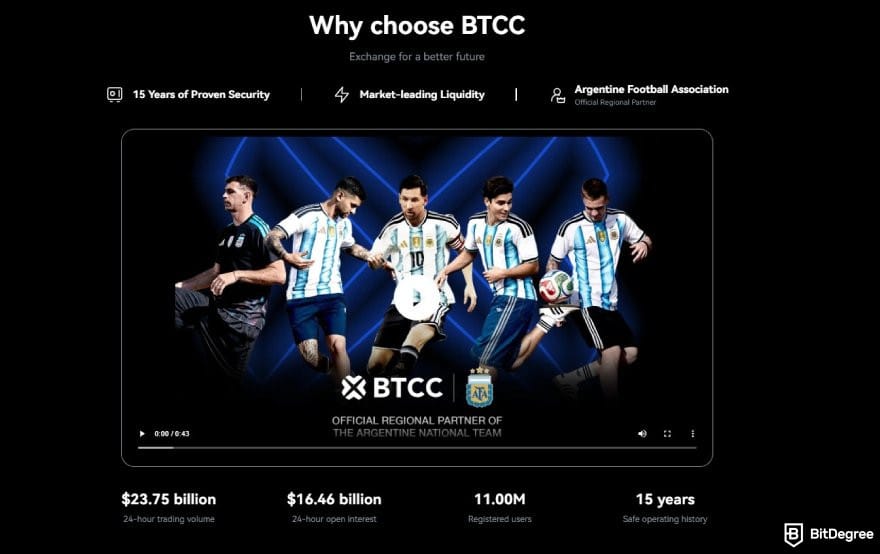
BTCC has been operating since 2011, making it one of the longest-running crypto exchanges in the world. Its TradFi product has already recorded a single-day volume of $60M in gold and $33M in oil, with total TradFi volume crossing $200M. Numbers like that signal reliability, which matters a lot when you're choosing the best platform to trade US stocks with leveraged contracts.
📚 Read More: BTCC Review
Put it all together, and BTCC TradFi makes a strong case for being the only platform a crypto-native trader needs, whether the market they're watching is Bitcoin or Tesla.
Browse our collection of the most thorough Crypto Exchange related articles, guides & tutorials. Always be in the know & make informed decisions!



Conclusions
So, can you trade stocks on a crypto exchange? Absolutely! Buying US stocks online no longer means opening a brokerage account, dealing with currency conversion, or juggling multiple platforms. BTCC TradFi puts Tesla, Nvidia, Apple, and a growing list of US equities right where crypto traders already spend their time.
I've covered everything you need to know about how to trade US stocks for beginners on BTCC. From setting up your account to placing your first leveraged stock trade. The interface is the same one you already know, the margin is USDT, and the risk management tools are built right in.
That said, simple doesn't mean risk-free. Leveraged stock contracts can move fast, and the basics, like setting a stop loss, keeping leverage sensible, and understanding liquidation, aren't optional extras. They're what separates traders who stick around from those who don't.
If you're new to this, start with the demo account. Get comfortable with the mechanics before real money is on the line. When you're ready to go live, you'll already know exactly what you're doing.
The stocks are there. The platform is ready. The only thing left is your first trade.
The content published on this website is not aimed to give any kind of financial, investment, trading, or any other form of advice. BitDegree.org does not endorse or suggest you to buy, sell or hold any kind of cryptocurrency. Before making financial investment decisions, do consult your financial advisor.
Scientific References
1. Teimoori-Boghsani, M. A., Abdolbaghi Ataabadi, A., Ameri, M.: 'Effectiveness of Stop-Loss Trading Strategy VS Buy-And-Hold Strategy';
2. Eliner, L.: 'Essays on the Behavior and Performance of Retail Investors'.
About Article's Experts & Analysts