Why didn't Bitcoin budge after the Fed news?

Last Updated: September 22, 2026
✓ Fact Checked
Plus: Nexo buys Buenbit - and sends a message about crypto's future |
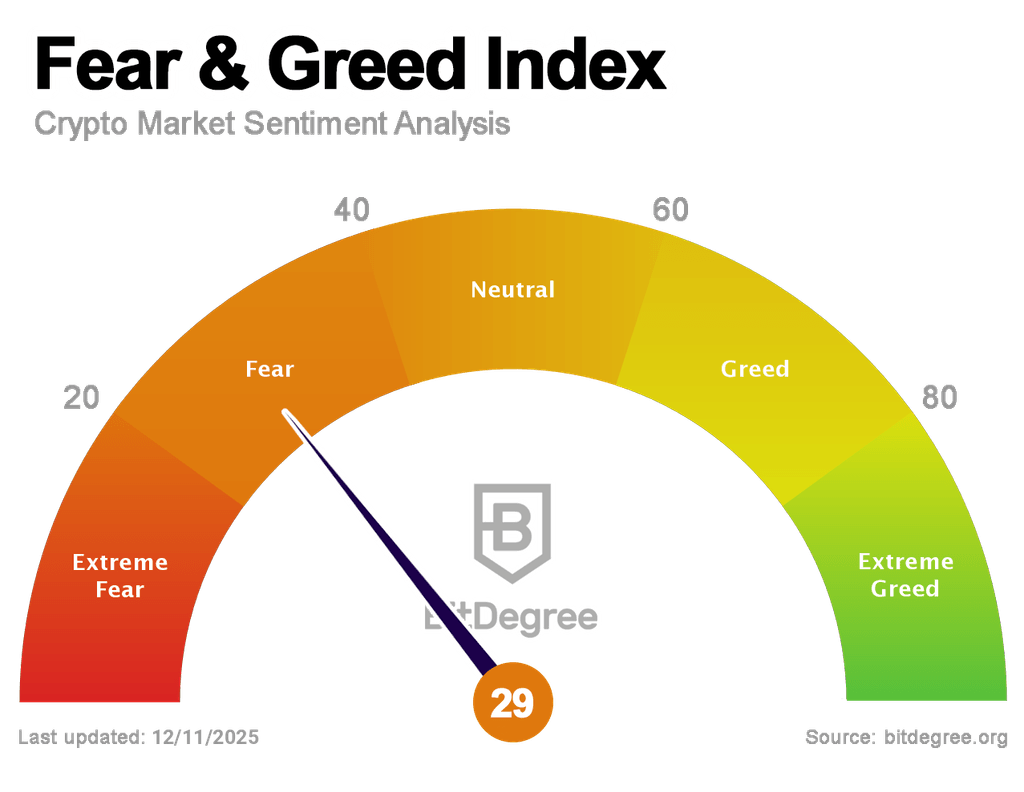
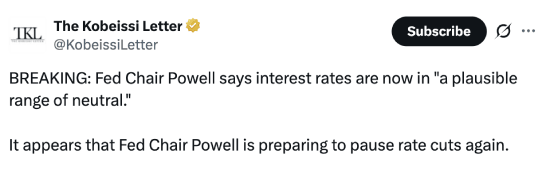
The market rn is like waiting for a beat drop... and it just... doesn't come. Disappointing, and just a bit embarrassing. Here's the story from the top: the Fed finally dropped that 25 bps rate cut yesterday - the one traders had been treating like a bullish spark - but instead of cheering, the market paused. That's because Fed Chair Jerome Powell basically said, "We cut, but don't assume more cuts are coming fast." In other words, that was a cautious cut. And crypto doesn't really like those.
And the moment it became clear that the cut wasn't the start of some beautiful multi-month easing cycle: 👉 Bitcoin tapped $89K; 👉 Ethereum dipped to $3.1K; 👉 Other large caps also dropped; 👉 And ~$400M in long positions got liquidated. ... Yeah 😐 But here's the counterbalance: the foundation is still stable. BTC and ETH ETFs continue seeing inflows, and on-chain data shows that long-term holders aren't moving while short-term positioning gets washed out. So the macro narrative - "hawkish cut, sell the hype, reset expectations" - is doing the damage, but the underlying bid hasn't disappeared. It's just quieter. And what's next? Keep your eyes out - things might stay choppy until something surprising comes along 👀
| ||||||||||||||||||||||||||||||||||||||||||||||||||||||||||||||||||||||||||||||||||||||||||












Loading...
The Most Liked Crypto News Findings
Looking for more latest crypto news on related topic? We have gathered similar news articles for you to spare your time. Take a look!









Trending Crypto News

Ledger Atom Explained: What Ledger's $849 'Signer' Actually Does

ChangeNOW Announces NOW AI After Resolving Website Integration Vulnera...

You're Invited: ChangeNOW's Retrofuture Soiree Lands at TOKEN2049 Sing...

ChangeNOW and CoinRabbit Release Joint Research on Financial Privacy i...