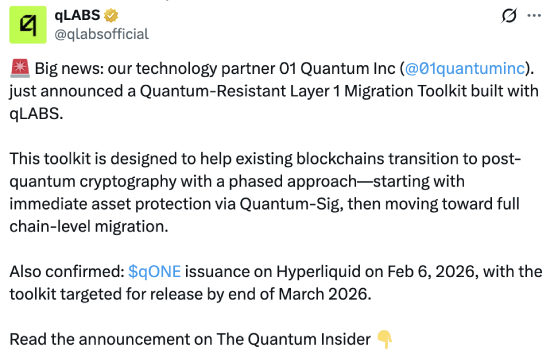
A new toolkit to outsmart quantum threats

Last Updated: September 22, 2026
✓ Fact Checked
| Plus: Bitcoin under $73K... is this just the beginning? Today's newsletter is brought to you by |
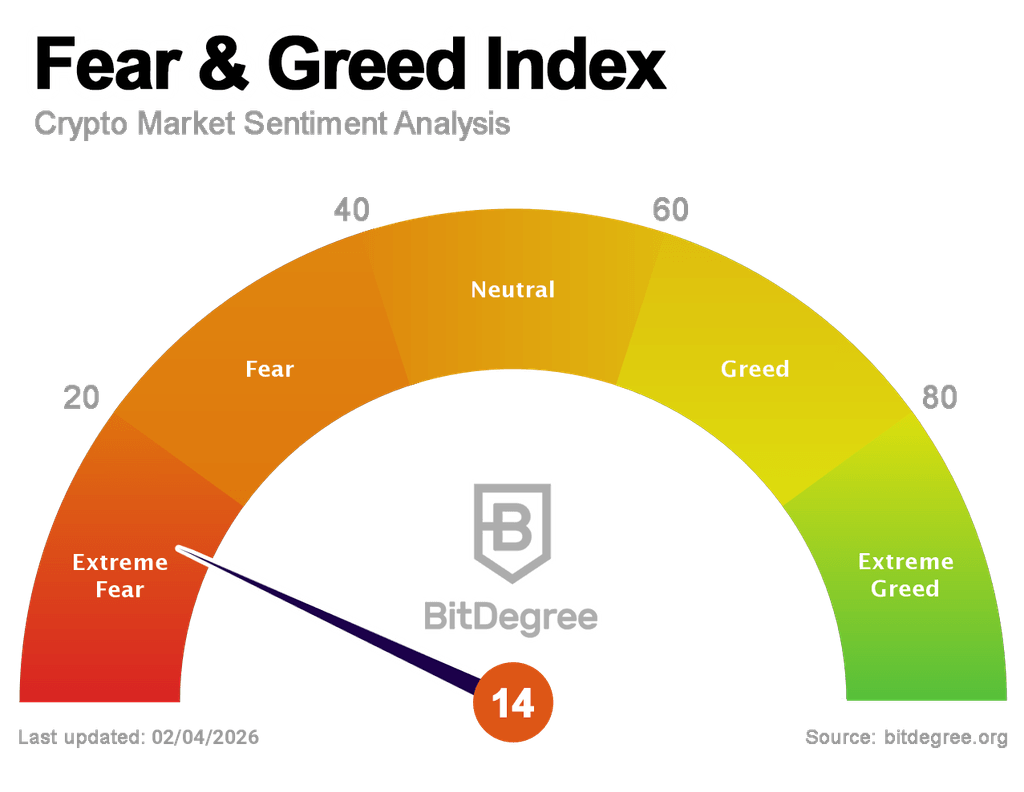
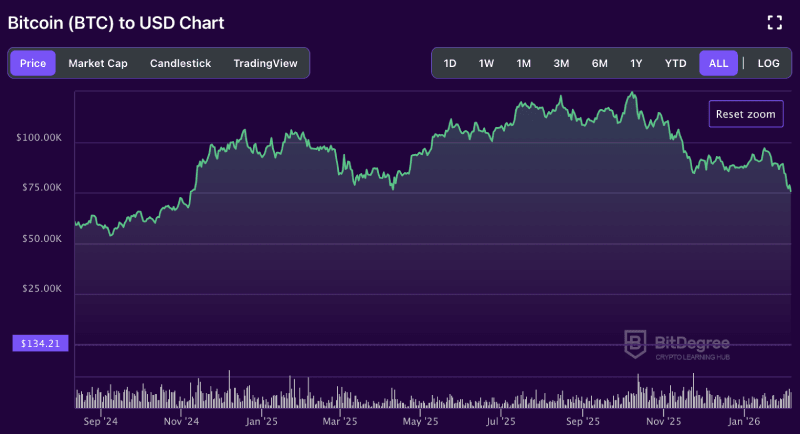
Yeah... crypto is the boxer, and we're the punching bags 🥲 👉 Bitcoin dipped to $73K, a level we haven't visited since 2024; 👉 Ethereum followed; 👉 And so did basically everything else. In the process, the market lost hundreds of billions of dollars in total value. And the reason is still macro fear doing macro fear things. Stocks have been shaky. Rates jumpy. Risk appetite thinning out. When the broader market gets nervous, crypto doesn't get special treatment - it gets sold first, unfortunately. Classic risk-off behavior.
Then came the part traders hate admitting: leverage blew it up. Once Bitcoin went under $75K, the market didn't debate whether that level "should" hold. It just reacted: stops triggered, futures positions got liquidated. Over the past day, we had $807.93M in forced crypto liquidations. And what happens next depends less on crypto Twitter and more on the outside world:stocks, rates, liquidity. 👉 If risk assets stabilize, crypto can find its footing. 👉 If not, the market may keep poking lower until real demand shows up. So yeah, that's the vibe. A market that flew too close to the leverage sun, got reminded how gravity works, and is now standing still for a beat... checking its balance before the next move.
| |||||||||||||||||||||||||||||||||||||||||||||||||||||||||||||||||||||||||||||||||||||||||||||||||










Loading...
The Most Liked Crypto News Findings
Looking for more latest crypto news on related topic? We have gathered similar news articles for you to spare your time. Take a look!








Trending Crypto News

Ledger Atom Explained: What Ledger's $849 'Signer' Actually Does

ChangeNOW Announces NOW AI After Resolving Website Integration Vulnera...

You're Invited: ChangeNOW's Retrofuture Soiree Lands at TOKEN2049 Sing...

ChangeNOW and CoinRabbit Release Joint Research on Financial Privacy i...