Extreme fear returned to crypto

Last Updated: September 22, 2026
✓ Fact Checked
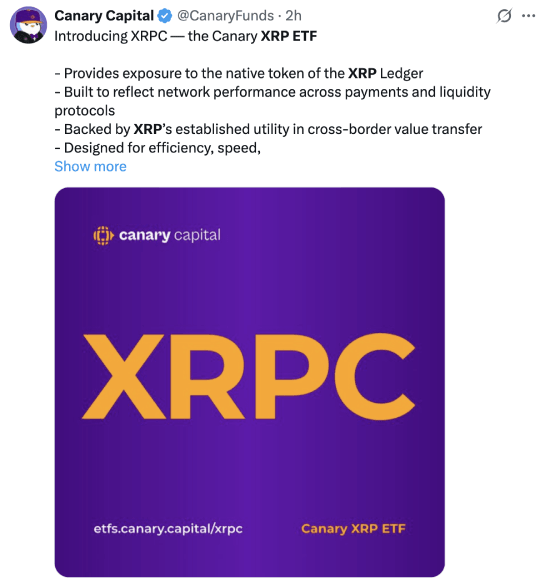
Plus: The first spot XRP ETF is live |
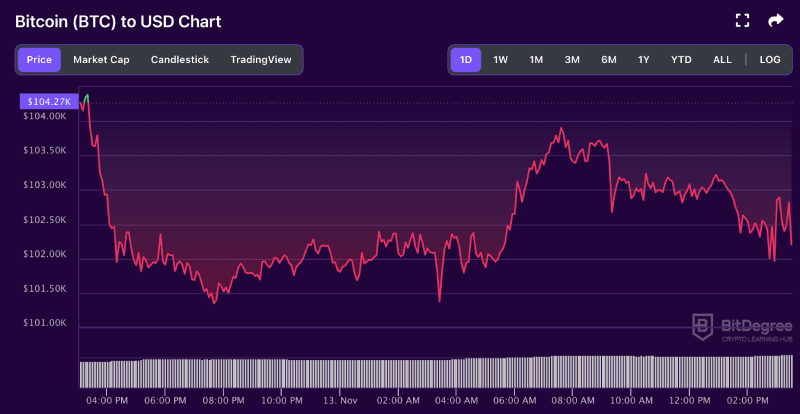
If you're a fellow gym rat, think back to your very first day in the gym. You pushed yourself hard, even if the weights were embarrassingly light. Then the next morning you woke up, muscles sore, looked in the mirror, and... wtf, you're not ripped yet??? That's crypto rn. A lot of expectations, a lot of work... but no results. The US government shutdown ended - paperwork signed, lights back on, all official - and Bitcoin still trades around $101K - $104K.
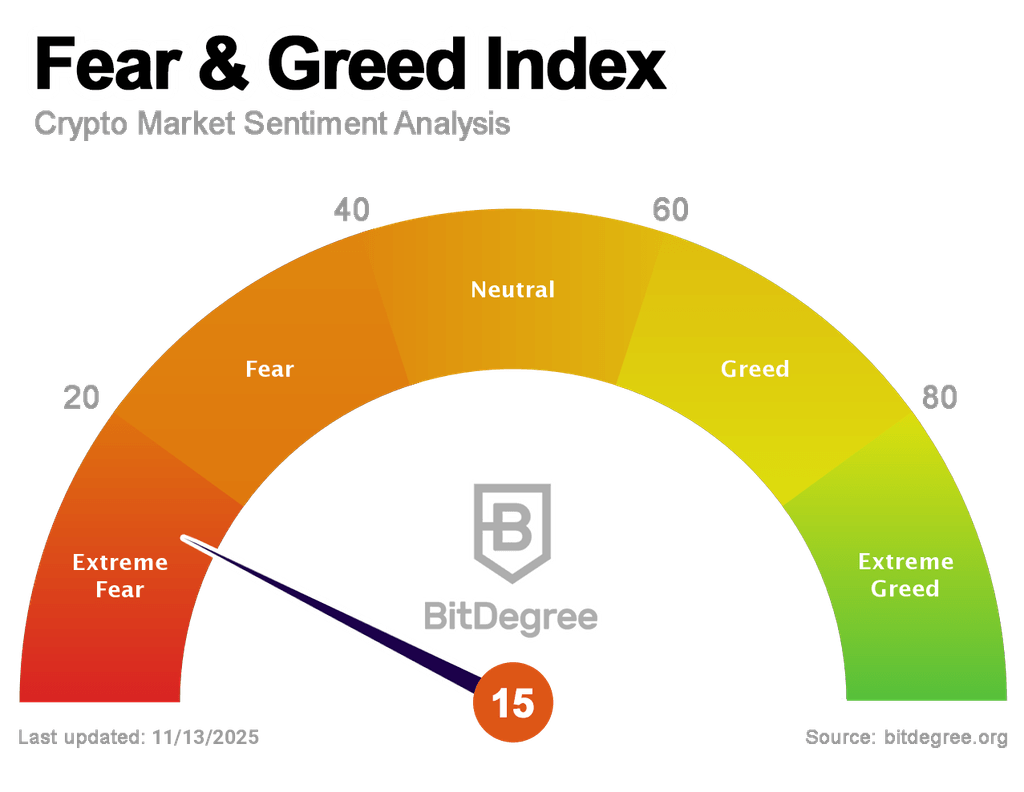
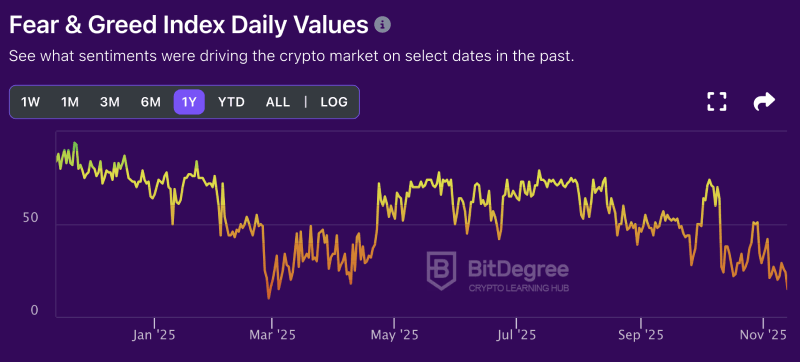
Why the muted response? A few key strands: 1️⃣ The shutdown's end matters because it restores government data flows and regulatory certainty, which are important for institutional crypto demand. But the resolution was expected, not a surprise - so its impact is more "okay, one thing fixed" than "holy grail unlocked." 2️⃣ ETFs aren't showing bullish signals: Bitcoin ETFs had $278.1M in outflows, and Ethereum ETFs saw $183.7M head for the exit yesterday. 3️⃣ Caution's in the air - the Fear & Greed Index dropped to extreme fear for the first time since April.
So, what does it all mean? The end of the shutdown removed a big uncertainty, but the market doesn't believe the resolution alone is enough to trigger a major rally right now. We gotta wait for a real catalyst - something that actually moves the market. That could be: 👉 ETF inflows flipping positive again; 👉 Bitcoin finally punching through the $105K - $106K ceiling; 👉 Or the next batch of US economic data coming in soft enough to tell traders, "Relax, the Fed isn't about to tighten the screws again." If none of that shows up soon, the market might start eyeing $100K again.
| |||||||||||||||||||||||||||||||||||||||||||||||||||||||||||||||||||||||||||||||||||||||||||||||||||||||||||||||||||||













Loading...
The Most Liked Crypto News Findings
Looking for more latest crypto news on related topic? We have gathered similar news articles for you to spare your time. Take a look!



Latest Crypto News & Videos







Trending Crypto News

You're Invited: ChangeNOW's Retrofuture Soiree Lands at TOKEN2049 Sing...

ChangeNOW and CoinRabbit Release Joint Research on Financial Privacy i...

Polygon's $250M Bet on Stablecoin Payments: Is Blockchain Coming for T...

Bybit Card Launches 10% Cashback Boost for New Cardholders