Whales are slowing down... should you worry?

Last Updated: September 22, 2026
✓ Fact Checked
| Plus: Crypto firms are buying banks Today's newsletter is brought to you by |
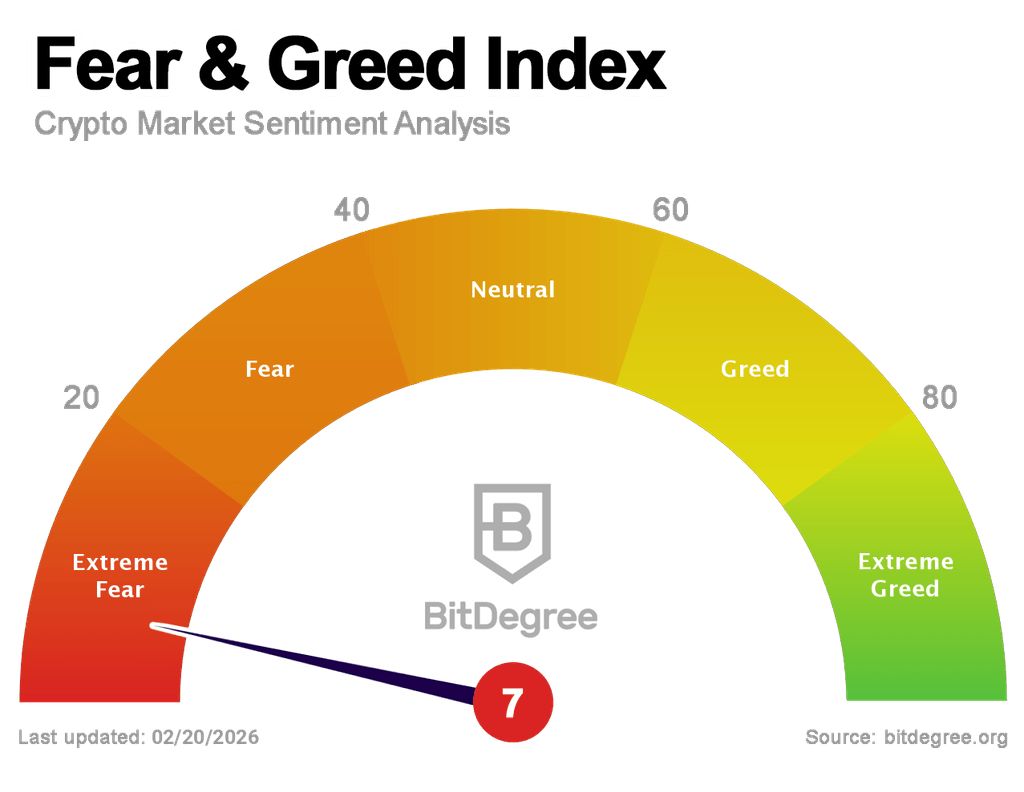
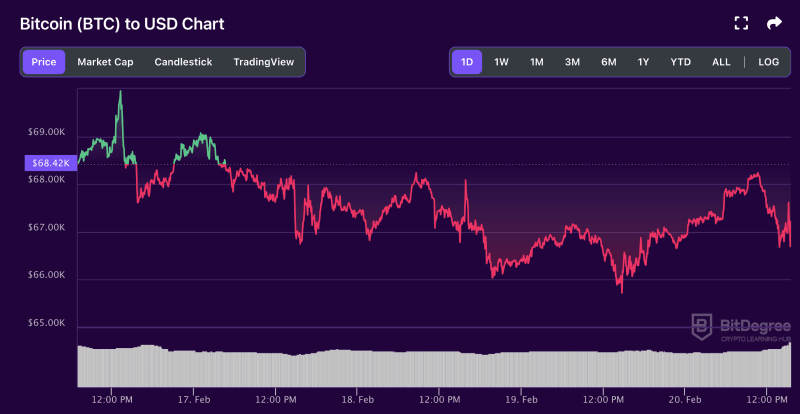
Yes, we're seeing a bit more green today. But the overall vibe in the crypto market is still making me wanna change my pronouns to please / stop. Weeks of chop and failed breakouts, thinner momentum, candles getting smaller, muted excitement. And that's exactly when it pays to watch the whales - let's see why 👇
Here's what retail traders do: 👉 Price pumps → dopamine hits → smash buy → hope it keeps going. Here's what whales do: 👉 Price dips → quietly accumulate → disappear. Recent on-chain data shows large holders have been accumulating during weakness. They build positions methodically - especially when sentiment is shaky, and prices pull back. But here's the twist: They've started slowing down.
This matters because when whales accumulate aggressively, they tighten supply and create strong structural support. When they stop: 👉 The market loses its strongest buyer; 👉 Retail becomes the marginal bid; 👉 Rallies rely more on sentiment than structure. That doesn't mean an immediate crash. But historically, major breakouts happen when whales are loading - not when they're pausing. Basically, the big players are already positioned and watching. And if smart money isn't adding here? That's a signal worth paying attention to 👀
| ||||||||||||||||||||||||||||||||||||||||||||||||||||||||||||||||||||||||||||||||||||||||













Loading...
The Most Liked Crypto News Findings
Looking for more latest crypto news on related topic? We have gathered similar news articles for you to spare your time. Take a look!



Latest Crypto News & Videos






Trending Crypto News

You're Invited: ChangeNOW's Retrofuture Soiree Lands at TOKEN2049 Sing...

ChangeNOW and CoinRabbit Release Joint Research on Financial Privacy i...
Polygon's $250M Bet on Stablecoin Payments: Is Blockchain Coming for T...

Bybit Card Launches 10% Cashback Boost for New Cardholders