Crypto Exchanges Ordered to Share User Data With Australian Tax Office

Last Updated: May 07, 2024
✓ Fact Checked
Key Takeaways
- The ATO is ramping up efforts to ensure tax compliance, requiring crypto exchanges to provide user data from over 1.2 million accounts;
- The ordered data includes names, addresses, birthdates, and transaction logs to help identify traders who haven't reported taxable crypto transactions;
- The ATO's regulations now cover more crypto interactions.
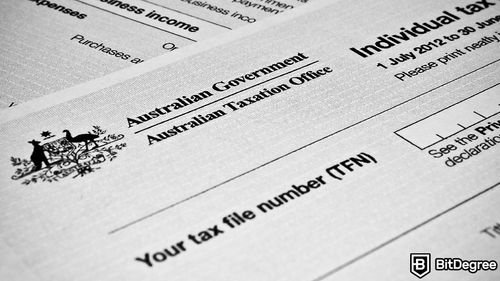
The Australian Taxation Office (ATO) is intensifying its efforts to reinforce tax compliance.
It has mandated that crypto exchanges submit personal details of over 1.2 million accounts.

Did you know?
Want to get smarter & wealthier with crypto?
Subscribe - We publish new crypto explainer videos every week!
What is ENS? Ethereum Name Service Explained (ANIMATED)


The information that was ordered to be provided reportedly includes users' names, addresses, birthdates, phone numbers, social media accounts, and transaction logs.
The ATO stated that this directive would help identify traders who may have failed to report transactions involving crypto, whether it be trading digital assets for fiat currencies, purchasing goods and services with them, or other taxable exchanges.
Acknowledging the nature of the crypto industry, the ATO noted:
The ability to purchase crypto assets using false information may make them attractive to those seeking to avoid their tax obligations.
Therefore, the ATO aims to curb tax evasion and ensure adherence to capital gains tax requirements with the order.
Last year, it expanded the scope of what falls under capital gains taxation, clarifying that this includes token interaction with decentralized lending protocols and wrapped tokens.
With these regulatory measures, Australia makes a shift in how digital assets are managed under national tax laws.
Australia has also previously put its focus on regulating crypto exchanges, with the Australian Treasury initiating steps to introduce a regulatory framework that would enforce the existing financial service laws.
Loading...
The Most Liked Crypto News Findings
Looking for more latest crypto news on related topic? We have gathered similar news articles for you to spare your time. Take a look!


Latest Crypto News & Videos







Trending Crypto News

You're Invited: ChangeNOW's Retrofuture Soiree Lands at TOKEN2049 Sing...

ChangeNOW and CoinRabbit Release Joint Research on Financial Privacy i...

Polygon's $250M Bet on Stablecoin Payments: Is Blockchain Coming for T...

Bybit Card Launches 10% Cashback Boost for New Cardholders