Babylon’s BLS Vote Bug Threatens Consensus Stability

Last Updated: January 09, 2026
✓ Fact Checked
Key Takeaways
- A flaw in Babylon’s BLS vote extension lets validators skip the block hash, which risks confusion during consensus checks;
- Missing block hash data can cause validator crashes and temporary slowdowns at epoch boundaries;
- The bug, found by contributor GrumpyLaurie55348, has not been exploited but could disrupt block production if unpatched.

Developers of the Babylon staking protocol have revealed a recently discovered software issue that could allow dishonest validators to disrupt the system’s consensus process.
This interference might cause temporary delays in block creation during certain periods.
The problem lies in Babylon’s block verification feature, known as the BLS vote extension. This component ensures that validators agree on which block to add next.

Did you know?
Want to get smarter & wealthier with crypto?
Subscribe - We publish new crypto explainer videos every week!
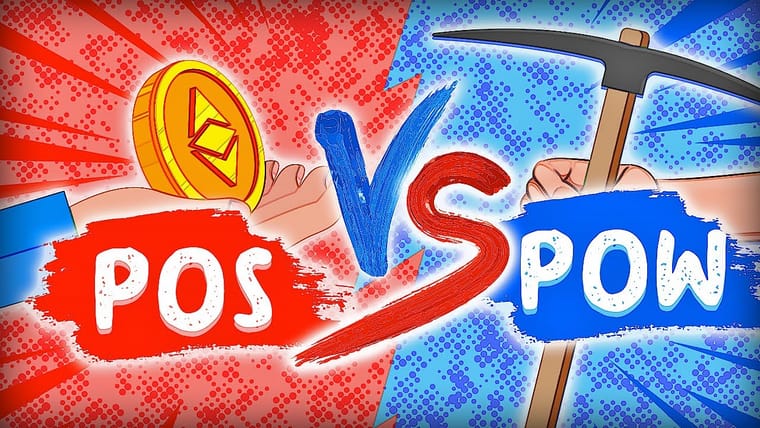
Proof of Work vs Proof of Stake: Which is Better? (ANIMATED)

According to a GitHub post shared on January 8, the issue allows validators to skip an important detail when casting their vote: the block hash.
That missing block hash tells others which block is being approved. Without it, validators can become unsynchronized, especially at epoch boundaries, when special checks occur.
If several validators are affected, this could slow down the overall process of adding new blocks.
The flaw was identified by contributor GrumpyLaurie55348, who explained the effect in their GitHub report.
GrumpyLaurie55348 wrote:
Intermittent validator crashes at epoch boundaries, which would slow down the creation of the epoch boundary block.
They added, "Babylon then dereferences this nil pointer in consensus-critical code paths (notably VerifyVoteExtension, and also proposal-time vote verification), causing a runtime panic".
On December 4, a technical fault in Prysm, one of Ethereum’s key consensus clients, led to an unexpected network slowdown. What did Ethereum developer Terence Tsao say? Read the full story.
Loading...
The Most Liked Crypto News Findings
Looking for more latest crypto news on related topic? We have gathered similar news articles for you to spare your time. Take a look!



Latest Crypto News & Videos







Trending Crypto News

You're Invited: ChangeNOW's Retrofuture Soiree Lands at TOKEN2049 Sing...

ChangeNOW and CoinRabbit Release Joint Research on Financial Privacy i...

Polygon's $250M Bet on Stablecoin Payments: Is Blockchain Coming for T...

Bybit Card Launches 10% Cashback Boost for New Cardholders