Key Takeaways
- Binance no longer supports direct NGN withdrawals in Nigeria, but there are still workable alternatives;
- The steps of how to withdraw from Binance in Nigeria include converting NGN to USDT, then moving the funds to external platforms like Ogvio;
- Knowing the essential things and avoiding common mistakes helps you avoid delays or lost funds.
If you’ve tried to figure out how to withdraw from Binance in Nigeria, you’re not alone. Since NGN withdrawals are no longer available, these and other similar questions are circling online: Is Binance still working in Nigeria? Can I withdraw my money? Do I need a VPN?
The truth is, withdrawing from Binance is still possible, but it no longer works the way it used to. Everything goes through the crypto-based route now, so platforms like Ogvio can serve as an alternative for handling the crypto-to-fiat step.
So, in this guide, you’ll learn how withdrawing from Binance works in Nigeria, what has changed, and what your practical options are now.

Did you know?
Subscribe - We publish new crypto explainer videos every week!
What is Basic Attention Token (BAT)? Brave Browser EASILY Explained

Table of Contents
- 1. Is It Still Legal to Use Binance in Nigeria?
- 2. What Happened With Binance in Nigeria?
- 2.1. Where Did Your Money Go?
- 2.2. Why USDT Became the Default Currency
- 2.3. What Else Has Changed?
- 3. How Money Withdrawals From Binance in Nigeria Work Now
- 3.1. How to Withdraw Crypto From Binance to Ogvio
- 3.2. How to Convert Crypto to NGN Using Ogvio
- 4. Common Mistakes to Watch Out For
- 4.1. Using the Wrong Network
- 4.2. Skipping the USDT Conversion
- 4.3. Expecting Instant Withdrawals
- 4.4. Not Double-Checking Wallet Details
- 5. Fees Related to Your Withdrawal
- 6. Conclusions
Is It Still Legal to Use Binance in Nigeria?
Sometimes when a platform is limited in a certain country, it’s still legal. But the situation with Binance in Nigeria is more nuanced, which makes the question “Can I withdraw from Binance in Nigeria?” less straightforward than it seems.
Latest Changelly Coupon Found:The short answer is that Binance is no longer legally authorized to operate in Nigeria. Binance Nigeria Limited isn’t registered or regulated by the country’s Securities and Exchange Commission, meaning the platform operates without local regulatory approval.
That said, this doesn’t mean individual users are breaking the law by holding crypto on Binance. There’s no Nigerian law that criminalizes individuals for owning crypto or using offshore exchanges.

However, Binance’s services for Nigerian users are now limited, and access can be inconsistent. Some users report needing a VPN at times due to access issues or ISP instability, though Binance isn’t universally blocked nationwide.
At this point, you might assume the next step is simply switching to another crypto exchange in Nigeria. In reality, that rarely solves the problem.
Most large offshore exchanges face similar challenges, not because crypto is illegal, but because local fiat banking rails and regulatory clarity remain limited.[1] Crypto adoption exists in Nigeria, but the regulatory framework around centralized exchanges is still evolving.
Looking for more in-depth information on related topics? We have gathered similar articles for you to spare your time. Take a look!


What Happened With Binance in Nigeria?
Binance is one of the major crypto exchanges globally, but that’s no longer the case in Nigeria. To understand why withdrawals work differently in that country, I thought I’d give the full scoop of what happened.
In March 2024, Binance officially removed support for the Nigerian Naira (NGN). Simply put, users could no longer deposit naira into their Binance accounts or withdraw from Binance to Nigeria bank account. This marked a major shift in how Binance operated in Nigeria.
The change didn’t happen overnight. Binance had been facing increasing regulatory pressure in Nigeria, including investigations related to compliance and currency controls. As a result, support for local currency services was gradually withdrawn.

Then in 2025, things escalated further. Nigerian authorities filed a lawsuit against Binance, accusing the platform of contributing to NGN instability. Shortly after that, Binance also became involved in a separate tax-related case, making it even harder for the company to operate in Nigeria. So, what this means in practice is simple:
- You can’t deposit NGN into Binance.
- Binance NGN withdrawal to a Nigerian bank account is no longer possible.
- Binance no longer functions as a local fiat exchange for Nigerian users.
Another important factor is access. While Binance isn’t officially blocked nationwide, some users rely on VPNs due to intermittent access issues or platform instability. This approach can work, but it’s not always reliable and comes with limitations.
This shift is the reason why so many people are now confused about how to withdraw from Binance in Nigeria, and why the process feels very different from what it used to be.
Where Did Your Money Go?
One of the most common concerns after Binance removed NGN support was simple: what actually happened to the naira that was already sitting in user accounts? For many users, logging in and seeing USDT instead of NGN felt sudden and confusing.
When Binance shut down NGN services, any naira balances held in Spot and Funding wallets were automatically converted into USDT. Why? Simply put, it was a system-level conversion designed to move funds into an asset that could still function on the platform.

The key point is this: the funds didn’t disappear. They were converted into a dollar-pegged stablecoin and remained fully accessible in users’ Binance wallets. USDT is widely supported and commonly used by Nigerian users, making it easier to move value without exposure to large price swings.
Once balances were in USDT, the real question wasn’t where the money went, but what role USDT played in the withdrawal process.
To understand why Binance chose USDT for this system-level conversion, and why nearly every withdrawal path now begins with it, we need to look at how USDT became the default exit currency.
Why USDT Became the Default Currency
When Binance removed NGN support, it needed a replacement asset that could keep user balances functional inside the platform. A more volatile cryptocurrency like Bitcoin or Ethereum wouldn’t work for this role, since price swings could wipe out user funds overnight.
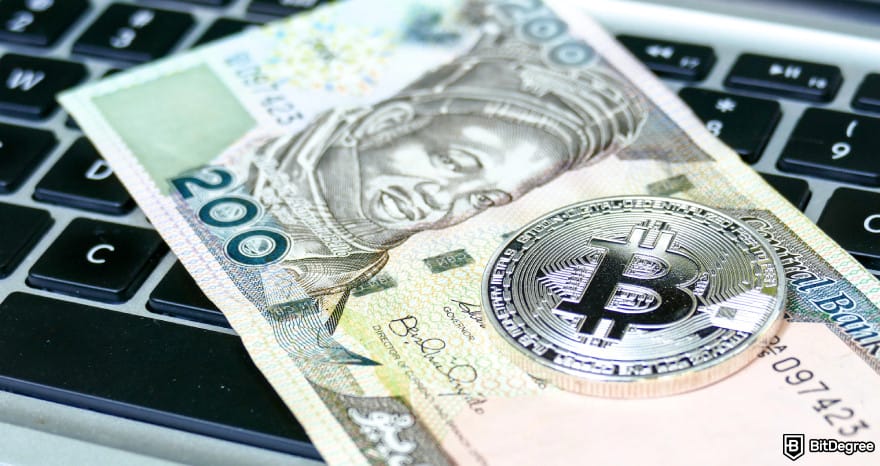
This made USDT a practical middle ground. It kept balances stable, allowed users to continue trading if they wanted to stay on Binance, and made it easier to move funds to external wallets or services.
Today, USDT is the starting point for Binance withdrawals in Nigeria. If you’re not quite familiar with USDT, here’s what you can do with it:
- Trade other cryptocurrencies or park funds during market downturns.
- Transfer value globally through crypto wallets and apps.
- Swap into other stablecoins like USDC for compatible platforms.
- Cash out through external crypto-to-fiat services.
- Hold a digital dollar balance instead of naira.
Understanding this role of USDT makes the rest of the withdrawal process easier to follow, because it explains why conversion is now a required step rather than an optional one.
What Else Has Changed?
Beyond the removal of NGN withdrawals, a few other changes have quietly reshaped how Nigerians interact with Binance.
First, Binance no longer functions as a complete end-to-end platform for Nigerian users. In the past, you could trade, convert, and withdraw all in one place (especially if you want NGN). Now, Binance is mostly just the starting point, and once funds leave the platform as crypto, everything else happens elsewhere.
Second, responsibility has shifted almost entirely to the user. So things that Binance used to handle automatically, like fiat conversion, local payouts, and settlement, now require additional steps and careful planning.

That way, you’ll need to pick the right asset, choose the correct network, and send it to a reliable destination platform, or you can risk delays or mistakes.
Finally, support and recovery options are more limited. If something goes wrong during a withdrawal, there’s no local banking layer to fall back on. That makes planning your withdrawal path ahead of time far more important than it used to be.
All of this explains why withdrawing from Binance in Nigeria feels more complex today. And why choosing the right platform after Binance matters just as much as the withdrawal itself.
So what's left for Binance's Nigerian users now that the platform's unavailable? That brings us to the next chapter.
How Money Withdrawals From Binance in Nigeria Work Now
Sadly, there’s no longer a simple way to withdraw from Binance to Nigeria bank account, and NGN is no longer supported on the platform, leaving you unanswered when it comes to learning how to convert NGN to USDT on Binance, or vice versa. As a result, Binance withdrawals now focus on crypto.
Binance used to offer Binance P2P, which let Nigerian users sell crypto to withdraw NGN. But it was disabled in late 2025 following regulatory actions.
When Binance removed naira services, all balances were automatically converted from NGN to USDT (as I mentioned before). Binance, since then, has decided that cryptocurrency is the main way Nigerian users can move money out of Binance (when it’s possible).
So when we talk about withdrawing from Binance in Nigeria today, we’re no longer talking about bank transfers. What it really means now is withdrawing cryptocurrency and then converting it elsewhere.
The good thing is that many Nigerians have adopted crypto assets as both an alternative payment method and an instrument to gain profit.[2] That makes this transition less intimidating than it might sound at first.
But what happens after you withdraw USDT? For most Nigerian users, their balance is in USDT, so that's usually the asset being withdrawn. Once your funds are in a crypto wallet, the next step is deciding where to convert or use them. You can use external platforms like Ogvio to convert crypto to fiat. This is now the most common flow:
1
Access Binance and initiate a crypto withdrawal.
2
Send it to another platform through an external crypto wallet transfer.
3
Convert or use the funds on that platform.
Before making a crypto withdrawal (be it USDT or any other), take a moment to double-check which platform you’re sending it to and which crypto assets it supports. This small step can save you an extra conversion or a failed transfer. I’ll cover this in more detail later in the article.
And this is where platforms that have both crypto and fiat options come in and help solve cases like Binance in Nigeria.
How to Withdraw Crypto From Binance to Ogvio
Ogvio is one of the best platforms for completing the withdrawal process following Binance’s exit from Nigeria.
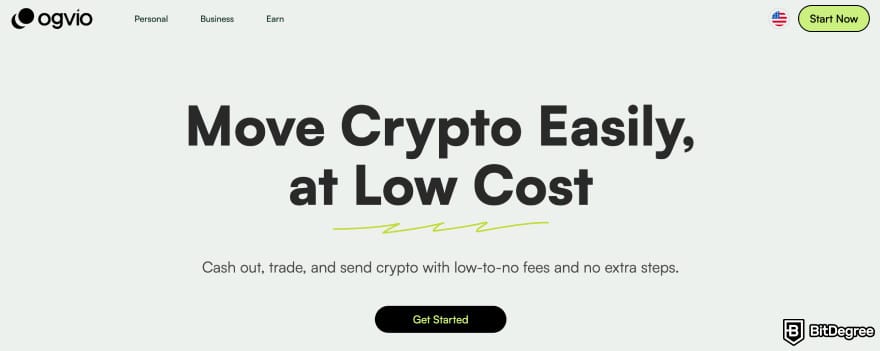
It's a neobank-style app designed to work with both crypto and fiat currencies. What makes it useful in this context is its simplicity. It gives Nigerian users a practical way to turn crypto withdrawals from Binance into spendable money. For many users, it’s a clean withdrawal route because:
- It doesn’t rely on Binance’s discontinued NGN support.
- It avoids P2P workarounds.
- It keeps the entire post-Binance process in one place.
- It allows you to cash out crypto to any bank account (if you need NGN).
Do note that while Binance converted NGN to USDT, Ogvio currently supports USDC. That might sound like a problem at first, but it really isn’t. Both USDT and USDC are stablecoins pegged to the US dollar, so you just need to convert USDT to USDC before sending it to Ogvio.
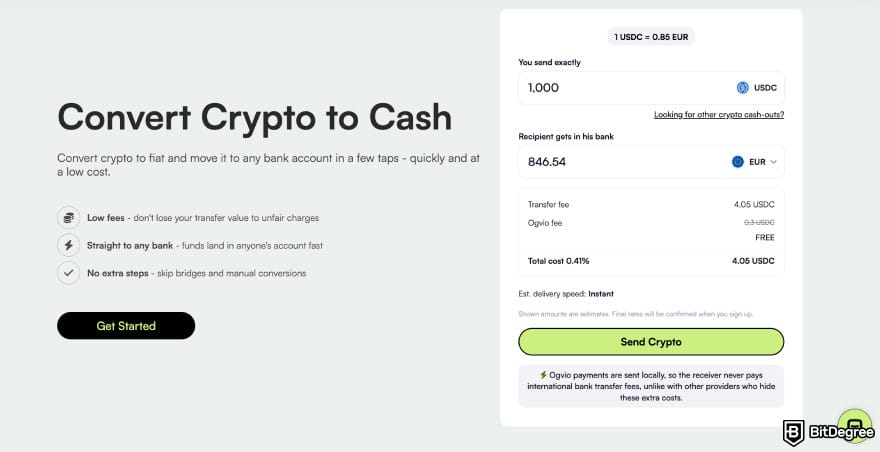
The easiest way to handle the USDT and USDC conversion is directly inside Binance, before you withdraw your funds. If you still have access to your Binance account, you can swap USDT to USDC using the built-in convert or trading feature:
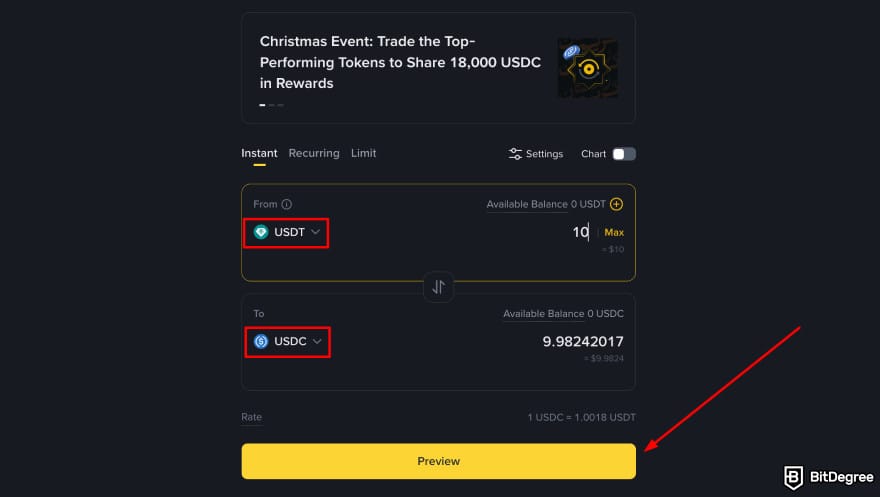
Once the conversion is done, you can withdraw USDC to Ogvio using the Base network. Now, I’ll assume you already have an Ogvio account. If you don’t, you can check the full walkthrough on this Ogvio review.
Here's the full step-by-step process after your account is set:
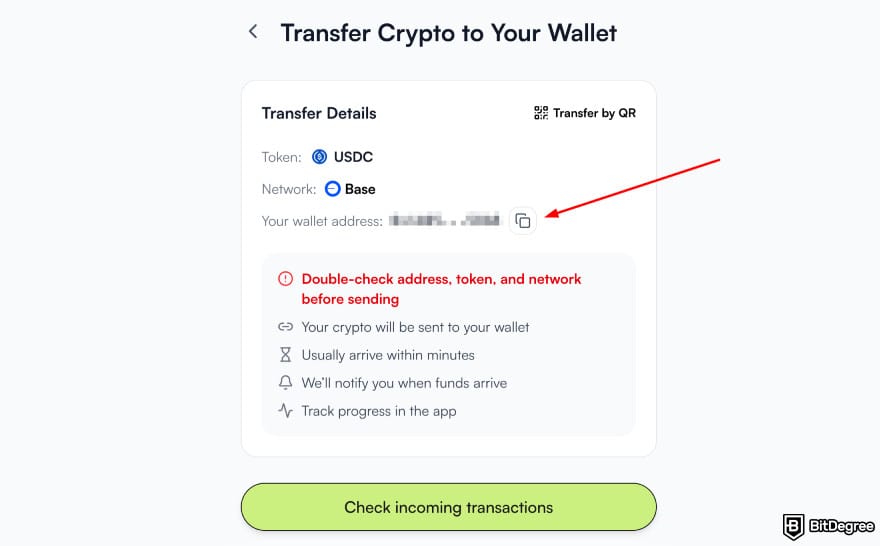
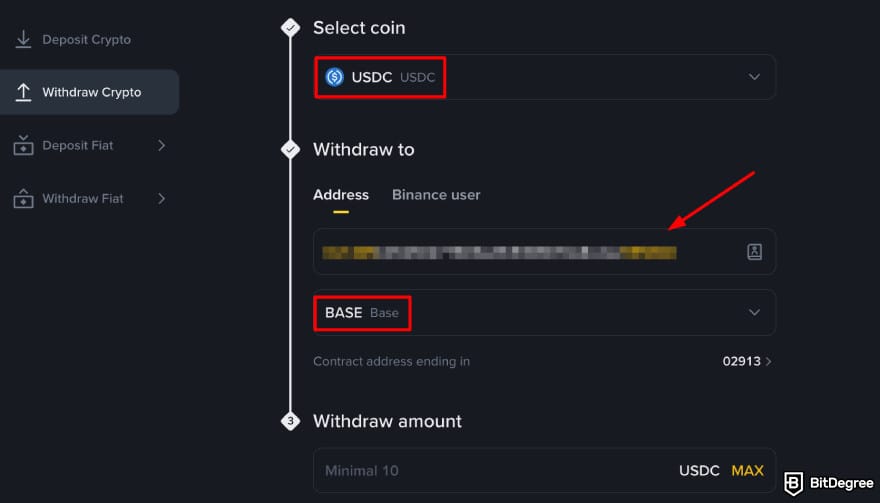
After the transaction is confirmed, the USDC will appear in your Ogvio account. From there, you can send crypto to other Ogvio users, cash it out to anyone's bank account, swap it for other supported currencies, just hold it there, or even grow it using Simple Earn.
If you’re worried about Ogvio’s security, it uses a non-custodial setup. That means you stay in control of your funds at all times, which is slightly different if you’re used to Binance’s exchange wallet, and not their Web3 wallet. It basically reduces the risks of platform-related issues and makes it a safer option compared to custodial exchanges.
📚 Read More: The Power of Crypto Self-Custody
Did you know?
Subscribe - We publish new crypto explainer videos every week!
How Does Cryptocurrency Work? (Explained with Animation)

How to Convert Crypto to NGN Using Ogvio
Once your funds are in Ogvio, you’re no longer dealing with an exchange-only setup. Instead, you’re using a platform built for both crypto and everyday money management. This means you can convert your crypto and send money to a Nigerian bank account from the same place.
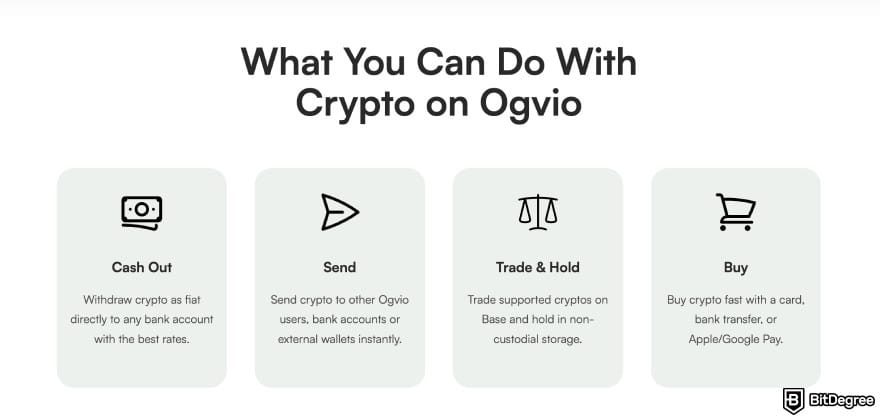
Think of it as a more practical option for everyday use rather than active trading. Plus, it could be a good move if you’re looking for a setup that doesn’t depend on one single exchange anymore.
It’s also worth noting that the Ogvio card is expected to launch soon. Once available, you’ll be able to hold crypto, convert it, or send your balance globally from the same place. But for now, the key step is converting your crypto into naira. Here’s how to do it:
![How to withdraw from Binance in Nigeria: Ogvio homepage highlighting the [Send Money] option.](https://assets.bitdegree.org/images/how-to-withdraw-from-binance-in-nigeria-ogvio-homepage-highlighting-send-money-option.jpg "How to withdraw from Binance in Nigeria: Ogvio homepage highlighting the [Send Money] option.")
![How to withdraw from Binance in Nigeria: Ogvio app add recipient page highlighting [Bank Transfer] option.](https://assets.bitdegree.org/images/how-to-withdraw-from-binance-in-nigeria-ogvio-add-recipient-highlighting-bank-transfer-option.jpg "How to withdraw from Binance in Nigeria: Ogvio app add recipient page highlighting [Bank Transfer] option.")
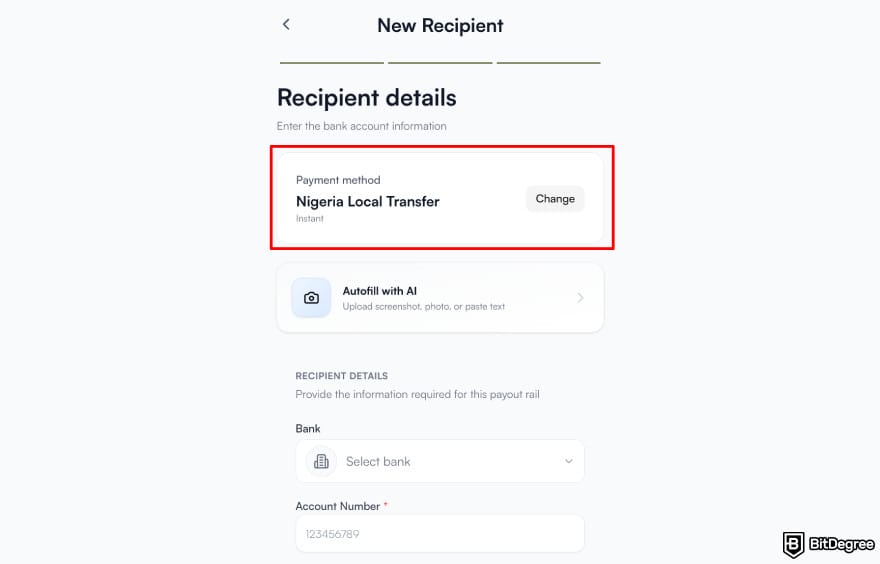
You can send crypto as cash to either your own bank account or someone else's.
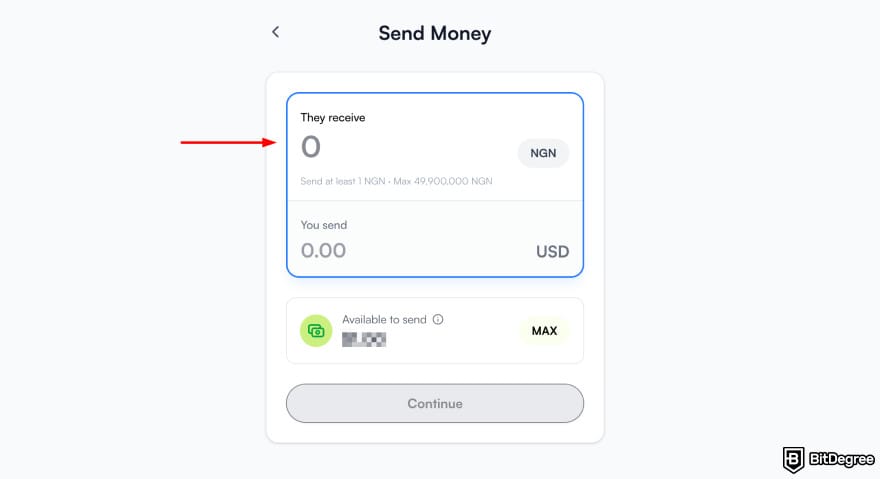
The last step will be confirming the transfer. Once completed, the money will be delivered to the bank account instantly (since Ogvio uses Nigeria Local Transfer).
Common Mistakes to Watch Out For
When figuring out how to withdraw from Binance in Nigeria, most issues don’t come from the process itself. They can also come from misunderstandings about how Binance works now and what it no longer supports. Keeping the points below in mind can save you time, money, and frustration.
Using the Wrong Network
This is the most common mistake people make when trying to withdraw funds, including when withdrawing from Binance in Nigeria.

When you send funds from Binance, the network you choose must match the one supported by the receiving platform (with Ogvio, for example, it's Base). Selecting the wrong network can lead to delays or permanent loss of your funds. So, before confirming any withdrawal from Binance, always double-check:
- The network selected on Binance;
- The wallet address you’re sending to;
- The asset you’re transferring.
If needed, you can also do a test transfer before sending all your funds to another platform.
Skipping the USDT Conversion
Another common issue happens when users try to withdraw USDT without checking whether the receiving platform actually supports it. Since Binance automatically converted NGN balances into USDT, many users assume they can send USDT anywhere.

You can't. That means you may need to convert USDT into another cryptocurrency before withdrawing. For example, Ogvio currently supports USDC on the Base network, so USDT must be converted first before sending funds here.
To avoid problems, here's what I suggest you do:
- Convert USDT to the crypto supported by your destination platform;
- Use Binance's built-in Convert or Trading feature;
- Then proceed with the withdrawal.
This small step ensures your withdrawal goes through smoothly, especially now that direct NGN services on Binance are no longer available.
Expecting Instant Withdrawals
Crypto withdrawals need to be confirmed on the blockchain before your funds arrive. Sometimes the network gets busy, so the transfer can take longer than usual. Most withdrawals finish within minutes, but short delays are normal.
In most cases:
- Transfers complete within minutes;
- Delays are normal during busy periods;
- Processing time depends on the network used.
So if you’re wondering, “Can I withdraw from Binance in Nigeria instantly?” the answer is no, not instantly, but usually fairly quickly.

- Accepts fiat currencies
- Simple to use
- Supports only trusted cryptocurrencies
- A leading cryptocurrency exchange platform
- Best for all type investors
- Accepts fiat currencies

- Industry-leading security
- Accepts fiat currencies
- Advanced trading tools
- Industry-leading security
- Strong regulatory reputation
- Advanced trading tools

- Wide range of tradable assets
- Robust copy trading feature
- Flawless security record
Not Double-Checking Wallet Details
If you’re using Binance, you probably already understand how crypto transactions work. Still, this is one step that even experienced users sometimes rush, especially now that Binance Nigeria and NGN services discontinued.
So, even if you’re comfortable with wallets and networks, it’s worth slowing down for a moment before clicking confirm, and always make sure to:
- Copy and paste the wallet address instead of typing it.
- Check the first and last characters carefully.
- Confirm that the network matches the destination.
- Verify you’re sending the correct asset (USDT or USDC).
Since Binance no longer supports NGN withdrawals in Nigeria, every transfer now depends on getting the crypto details right. A quick double-check can be the difference between a smooth withdrawal and permanently lost funds.
Fees Related to Your Withdrawal
While the heavy lifting is already done, there are still a few important things to understand about network costs and conversion fees so you know exactly what to expect and avoid unnecessary delays or mistakes.
Network and Transaction Fees
Normally, network fees are charged by the blockchain itself and paid by the users. But when withdrawing from Binance to Ogvio, this works a bit differently.

Ogvio covers the network fees for supported transfers, which means users don’t have to worry about paying separate blockchain fees when sending funds over the Base network. In practice, this makes the transfer either free or so low-cost that it’s barely noticeable.
This is one of the reasons why Ogvio works well as a withdrawal option after Binance. You don’t need to calculate gas fees, worry about network congestion, or guess how much a transfer will cost.
Conversion Costs
For one, conversion costs apply when you swap USDT to USDC or other currencies before withdrawing to another platform. Since both assets are pegged to the US dollar, the difference is usually small, but a minor spread or fee may still apply.
In most cases, this cost is far lower than traditional bank or exchange withdrawal fees. The easiest way to keep conversion costs low is to convert directly inside Binance and avoid unnecessary back-and-forth swaps.
On top of that, conversion costs occur when you try to withdraw your crypto as fiat. In such a case, it all depends on the platform you use. Keep in mind that some platforms apply a hidden exchange rate markup. Not Ogvio, though, it shows all fees before you confirm your transfer.
📚 Read More: Types of Crypto Fees
Browse our collection of the most thorough Crypto Exchange related articles, guides & tutorials. Always be in the know & make informed decisions!


Conclusions
For anyone wondering how to withdraw from Binance in Nigeria, the process is still possible, just different from before. Since NGN withdrawals are no longer supported, everything now happens through crypto instead of direct bank transfers.
What that means is that you need to withdraw crypto and use a platform that supports both crypto and fiat outside of Binance, and one that’s fully available in Nigeria.
This is where Ogvio fits in well. It offers a simple way to receive crypto, manage funds, and continue without relying on Binance’s discontinued NGN services. Plus, you can also use it as a remittance platform.
The content published on this website is not aimed to give any kind of financial, investment, trading, or any other form of advice. BitDegree.org does not endorse or suggest you to buy, sell or hold any kind of cryptocurrency. Before making financial investment decisions, do consult your financial advisor.
Scientific References
1. Olode-ankirun A.: ‘Cryptocurrency Regulations In Nigeria: A Historical Analysis (2016 - Present)’;
2. Agama E.: ‘Investigating the Adoption and Usage of Cryptocurrencies in Nigeria’.
About Article's Experts & Analysts