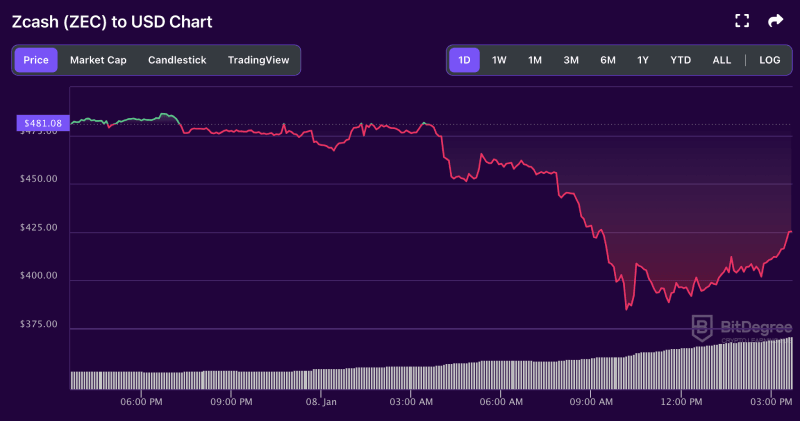
Why did Zcash's entire dev team leave?

Last Updated: September 22, 2026
✓ Fact Checked
| Plus: BTC price dips Today's newsletter is brought to you by |
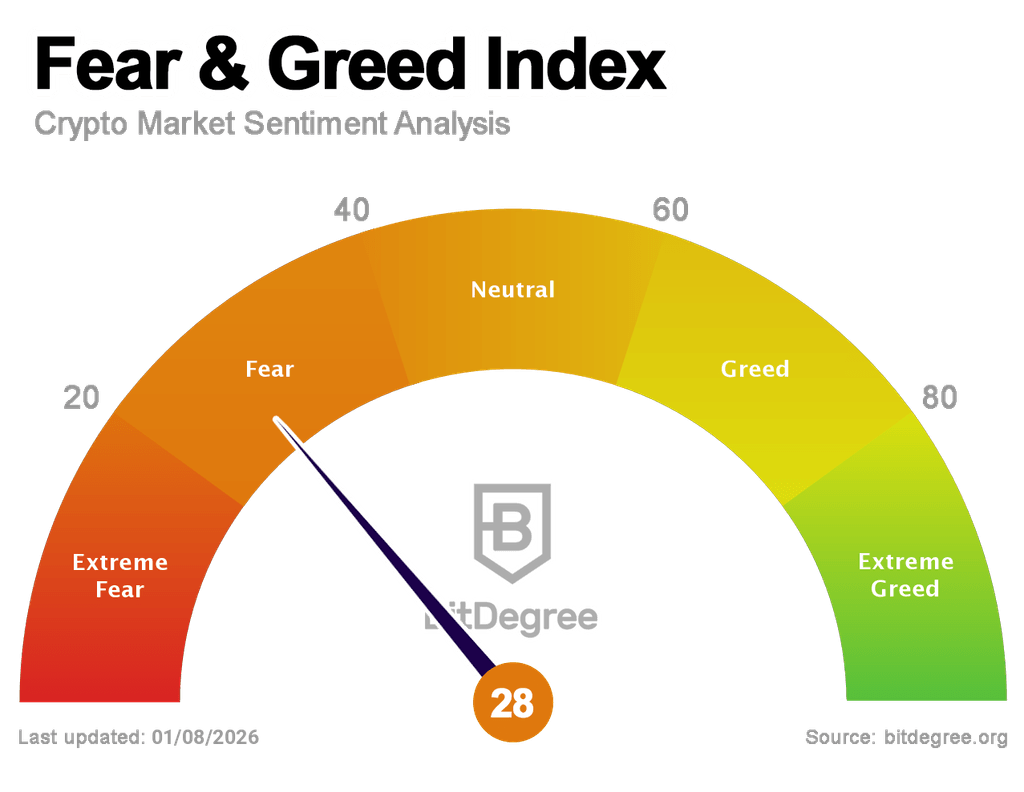
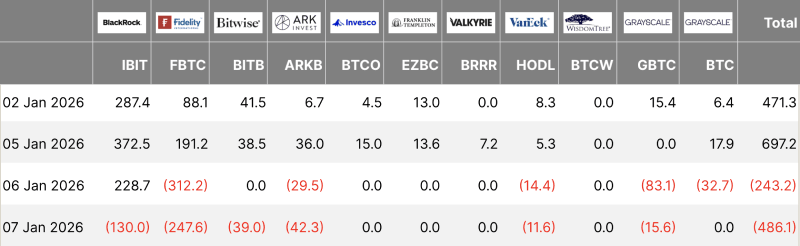
... Aaaaand Bitcoin's back below $90K. As it started dipping, leverage started leaving the chat. Long positions (aka positions that were built for "number go up") didn't get the follow-through they needed and started getting closed. The result: over the last 24 hours, about $480M worth of crypto positions were liquidated, with $434M+ of that coming from longs getting clipped in a short window. At the same time, institutions gave the market zero encouragement. US spot Bitcoin ETFs closed Wednesday with $486.1M in net outflows. When flows flip negative like that, traders stop assuming every dip will get bought. Risk gets sized down. Trades need more patience. FOMO takes a seat.
So yeah, today's story is a market that cooled off, trimmed excess, and decided it didn’t need to sprint today. Now it's about levels and behavior. 👉 Does Bitcoin hang out around $90K or bleed lower? 👉 Do ETF flows stabilize? 👉 Do liquidations slow down? If yes, this becomes a boring reset. If not, gravity might stay in charge.
| ||||||||||||||||||||||||||||||||||||||||||||||||||||||||||||||||||||||||||||||||||||||||||||||||||||||















Loading...
The Most Liked Crypto News Findings
Looking for more latest crypto news on related topic? We have gathered similar news articles for you to spare your time. Take a look!










Trending Crypto News

Ledger Atom Explained: What Ledger's $849 'Signer' Actually Does

ChangeNOW Announces NOW AI After Resolving Website Integration Vulnera...

You're Invited: ChangeNOW's Retrofuture Soiree Lands at TOKEN2049 Sing...

ChangeNOW and CoinRabbit Release Joint Research on Financial Privacy i...