Waters Warns: President Trump’s Stablecoin Could Threaten US Dollar Use

Last Updated: April 03, 2025
✓ Fact Checked
Key Takeaways
- Maxine Waters raised concerns about President Trump’s family-backed stablecoin, calling it a potential conflict of interest;
- Waters warned that new rules could let President Trump shape financial policy through private crypto ventures like WLFI’s USD1 token;
- She urged lawmakers to oppose the stablecoin bill unless it blocks presidents from owning crypto businesses.
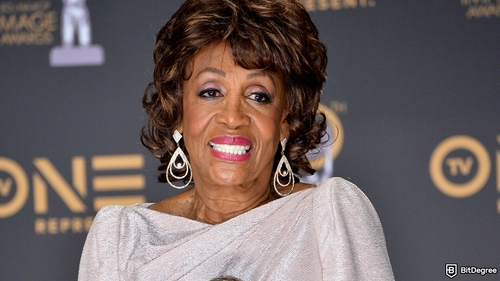
Representative Maxine Waters has raised concerns about President Donald Trump’s growing ties to cryptocurrency during an April 2 hearing in Washington.
Waters, the senior Democrat on the House Financial Services Committee, spoke about a stablecoin backed by President Trump’s family and warned that new rules could benefit the president’s business interests.
She referred to World Liberty Financial (WLFI), which launched a stablecoin in March called USD1. She argued that President Trump had used his time in office to support several crypto-related efforts, including a meme coin released earlier this year and ideas to build a national reserve of digital assets.

Did you know?
Want to get smarter & wealthier with crypto?
Subscribe - We publish new crypto explainer videos every week!
Crypto Day Trading VS Swapping: What’s More Rewarding? (Animated)


Waters said the current stablecoin proposal could open the door for President Trump and his allies to shape financial rules in their favor.
She warned that if such efforts went unchecked, they could lead to the government using stablecoins for housing aid, retirement benefits, or tax payments.
Additionally, Waters said she could not support the bill unless there were clear steps to prevent the president from owning a business tied to a stablecoin. She urged other members of the committee not to support the bill unless that issue was addressed.
Representative Bryan Steil, who introduced the bill known as the STABLE Act, did not directly respond to Waters' points about President Trump but spoke in favor of stronger protections for users.
Meanwhile, on March 17, Elon Musk claimed that at least 14 US government systems had issued payments without proper oversight. How? Read the full story.
Loading...
The Most Liked Crypto News Findings
Looking for more latest crypto news on related topic? We have gathered similar news articles for you to spare your time. Take a look!
Latest Crypto News & Videos







Trending Crypto News

ChangeNOW Announces NOW AI After Resolving Website Integration Vulnera...

You're Invited: ChangeNOW's Retrofuture Soiree Lands at TOKEN2049 Sing...

ChangeNOW and CoinRabbit Release Joint Research on Financial Privacy i...

Polygon's $250M Bet on Stablecoin Payments: Is Blockchain Coming for T...