Utah Senate Approves Crypto Bill, Drops Bitcoin Reserve

Last Updated: March 10, 2025
✓ Fact Checked
Key Takeaways
- Utah’s Senate passed a crypto bill but removed a plan for a state-held Bitcoin reserve before final approval;
- HB230 now focuses on individual rights, allowing residents to mine, stake, and hold digital assets with legal protections;
- The bill initially proposed investing up to 5% in Bitcoin, but lawmakers removed this provision due to policy concerns.
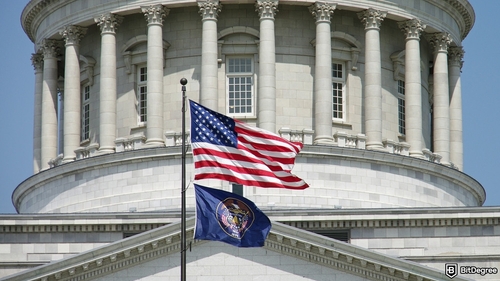
A bill aimed at shaping Utah’s approach to digital assets has cleared the state Senate, though a major provision allowing the state to hold Bitcoin
HB230, known as the "Blockchain and Digital Innovation Amendments", was initially designed to let Utah invest in Bitcoin as part of its state funds. However, after revisions, the bill now focuses only on protecting individual rights related to cryptocurrency use.
The original version proposed that Utah’s treasurer could allocate up to 5% of digital assets—limited to those with a market cap exceeding $500 billion in the past year—across five state accounts. At present, Bitcoin is the only asset that qualifies under this requirement.

Did you know?
Want to get smarter & wealthier with crypto?
Subscribe - We publish new crypto explainer videos every week!
Can Russia Use Crypto to Bypass Sanctions? (Animated)


The proposal gained traction and successfully passed a second reading, but during the final Senate review, the reserve clause was removed. The House later agreed to this amendment with a 52-19-4 vote.
Senator Kirk A. Cullimore, one of the bill’s sponsors, explained the decision, saying:
There was a lot of concern with those provisions and the early adoption of these types of policies. All of that has been stripped out of the bill.
In its revised form, the bill guarantees Utah residents certain rights in the cryptocurrency industry. This includes the ability to mine Bitcoin, run nodes, stake assets, and hold digital assets with legal protection.
Meanwhile, a group of House Democrats recently introduced a bill called the Modern Emoluments and Malfeasance Enforcement (MEME) Act. What does it propose? Read the full story.
Loading...
The Most Liked Crypto News Findings
Looking for more latest crypto news on related topic? We have gathered similar news articles for you to spare your time. Take a look!

Latest Crypto News & Videos







Trending Crypto News

You're Invited: ChangeNOW's Retrofuture Soiree Lands at TOKEN2049 Sing...

ChangeNOW and CoinRabbit Release Joint Research on Financial Privacy i...

Polygon's $250M Bet on Stablecoin Payments: Is Blockchain Coming for T...

Bybit Card Launches 10% Cashback Boost for New Cardholders