Rep. Keith Self Pushes CBDC Ban as Defense Bill Nears House Vote

Last Updated: December 10, 2025
✓ Fact Checked
Key Takeaways
- The US House is moving forward with the NDAA, but a dispute has arisen over excluding a CBDC ban;
- Rep. Keith Self proposed an amendment to block the Fed from creating or testing a digital dollar;
- The “Anti-CBDC Surveillance State” plan protects privacy for digital assets that act like cash.
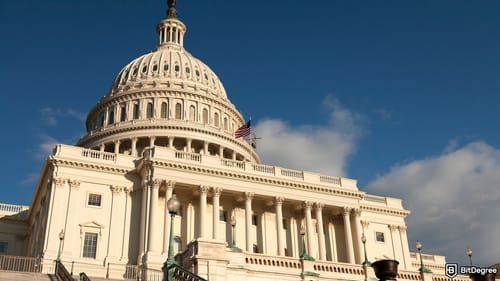
The US House is preparing to advance its annual National Defense Authorization Act (NDAA), which outlines military spending and policy for the coming year.
However, a debate has emerged over whether the bill should include language to prevent a central bank digital currency (CBDC).
On December 7, House Republicans released the 3,000-page bill without the CBDC restriction that Speaker Mike Johnson reportedly agreed to include.

Did you know?
Want to get smarter & wealthier with crypto?
Subscribe - We publish new crypto explainer videos every week!
What is Curve Finance in Crypto? (Animated Explanation)

On December 9, Rep. Keith Self of Texas submitted an amendment to restore the missing language. His proposal, called the “Anti-CBDC Surveillance State” amendment, would stop the Federal Reserve from creating, testing, or operating a digital version of the US dollar.
Self stated in a post on X, "Conservatives were promised that language banning a Central Bank Digital Currency (CBDC) would be included in the must-pass National Defense Authorization Act (NDAA)".
According to Politico, House Republican leaders are aiming to pass the defense package by December 10. The NDAA is considered a must-pass measure that funds the Department of Defense each year.
The amendment also makes room for digital assets that function more like traditional cash. It explicitly allows "dollar-denominated currency that is open, permissionless, and private", to ensure users can still transact with the same level of privacy offered by physical money.
Citadel Securities asked the US Securities and Exchange Commission (SEC) to impose stricter rules on DeFi platforms that trade tokenized US stocks. Why? Read the full story.
Loading...
The Most Liked Crypto News Findings
Looking for more latest crypto news on related topic? We have gathered similar news articles for you to spare your time. Take a look!
Latest Crypto News & Videos







Trending Crypto News

You're Invited: ChangeNOW's Retrofuture Soiree Lands at TOKEN2049 Sing...

ChangeNOW and CoinRabbit Release Joint Research on Financial Privacy i...

Polygon's $250M Bet on Stablecoin Payments: Is Blockchain Coming for T...

Bybit Card Launches 10% Cashback Boost for New Cardholders