People's Bank of China Slams Stablecoins, Citing Risks and Illicit Use

Last Updated: December 01, 2025
✓ Fact Checked
Key Takeaways
- China’s central bank reaffirmed that all digital currencies, including stablecoins, are banned as legal tender to curb financial risks;
- Regulators warned stablecoins lack safeguards like user ID checks and AML controls, which makes them prone to illicit use and speculation;
- The PBoC vowed to enforce stricter measures against unlawful stablecoin activities to maintain financial order.
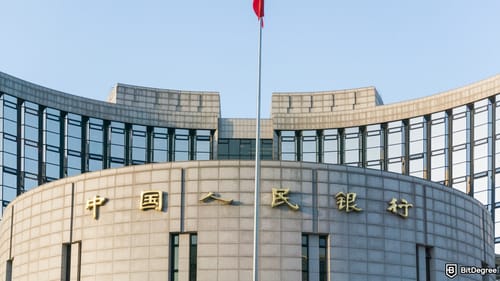
On November 29, China's central bank, the People's Bank of China, stated that digital currencies, including stablecoins, do not qualify as legal money and are banned from use as official tender in domestic markets.
Authorities raised alarm over a recent uptick in crypto speculation. They noted that it creates new challenges for managing financial risks and enforcing regulations.
According to a Reuters report, bank officials stressed that stablecoins fall short of key safeguards, such as user identification and anti-money laundering measures.

Did you know?
Want to get smarter & wealthier with crypto?
Subscribe - We publish new crypto explainer videos every week!
What is a Perpetual Contract in Crypto? (Definition + Example)


Concerns were also voiced about stablecoins being misused for illegal purposes, including money laundering, fraud, and unapproved cross-border transfers.
The central bank announced plans to strengthen efforts to halt financial activities involving stablecoins that violate the law. The goal is to preserve economic and financial order.
The bank reaffirmed that crypto trading has been banned in mainland China since 2021, though separate mining activity has quietly returned in regions with low power costs.
Hong Kong, operating under a distinct legal framework, has implemented a licensing regime for stablecoin issuers. However, so far, no licenses have been issued.
The South African Reserve Bank stated that there is no immediate demand for a retail central bank digital currency (CBDC) in the country. Why? Read the full story.
Loading...
The Most Liked Crypto News Findings
Looking for more latest crypto news on related topic? We have gathered similar news articles for you to spare your time. Take a look!



Latest Crypto News & Videos







Trending Crypto News

ChangeNOW Announces NOW AI After Resolving Website Integration Vulnera...

You're Invited: ChangeNOW's Retrofuture Soiree Lands at TOKEN2049 Sing...

ChangeNOW and CoinRabbit Release Joint Research on Financial Privacy i...

Polygon's $250M Bet on Stablecoin Payments: Is Blockchain Coming for T...