Japan Plans to Regulate Cryptocurrencies Like Stocks Starting in 2026

Last Updated: March 31, 2025
✓ Fact Checked
Key Takeaways
- Japan plans to classify cryptocurrencies as financial assets under updated laws starting in 2026;
- Crypto may be subject to insider trading rules, but kept separate from traditional securities;
- Firms handling crypto might need to register with Japan’s FSA, even if based overseas.
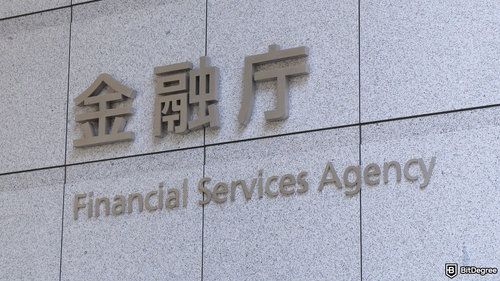
Japan’s financial watchdog is preparing to change how cryptocurrencies are handled under the law, with plans to classify them as financial assets starting in 2026.
According to a local report published on March 30, the Financial Services Agency (FSA) intends to file a proposal to parliament next year. This would involve amending the country’s existing laws that cover financial instruments and exchanges.
The idea has been under discussion within the agency through internal working groups. If approved, the change would bring cryptocurrencies under the same legal framework that applies to financial products like stocks when it comes to insider trading.

Did you know?
Want to get smarter & wealthier with crypto?
Subscribe - We publish new crypto explainer videos every week!
What is DeFi in Crypto? (Explained with Animations)

This means that using non-public information to trade crypto assets could be treated the same way as doing so with company shares, which is currently prohibited.
Despite this, digital assets are expected to be placed in a separate group from traditional securities such as bonds or equities. This distinction suggests that while crypto may be regulated more closely, it will not be treated exactly the same as other financial products.
Companies involved in cryptocurrency trading may be required to register with the FSA, even if they are not based in Japan. However, it remains unclear how the rules would apply to firms outside the country, especially if they do not have a local presence.
Lisa Gordon, chair of investment bank Cavendish, recently suggested taxing crypto and reducing stock fees in the United Kingdom. Why? Read the full story.
Loading...
The Most Liked Crypto News Findings
Looking for more latest crypto news on related topic? We have gathered similar news articles for you to spare your time. Take a look!


Latest Crypto News & Videos







Trending Crypto News

You're Invited: ChangeNOW's Retrofuture Soiree Lands at TOKEN2049 Sing...

ChangeNOW and CoinRabbit Release Joint Research on Financial Privacy i...

Polygon's $250M Bet on Stablecoin Payments: Is Blockchain Coming for T...

Bybit Card Launches 10% Cashback Boost for New Cardholders