Hackers Use Fake GitHub Repositories to Steal Crypto in “GitVenom” Scam

Last Updated: February 26, 2025
✓ Fact Checked
Key Takeaways
- Hackers are using fake GitHub repositories to spread malware that steals crypto and login credentials;
- These fraudulent projects appear legitimate with AI-generated instructions and fake activity logs;
- Kaspersky warns that the GitVenom scam has been active for years and urges caution with third-party code.
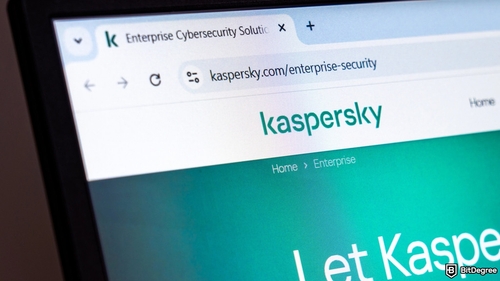
Kaspersky, a cybersecurity firm, reported that hackers are using fake GitHub repositories to steal cryptocurrency and login credentials.
Kaspersky's investigation also revealed evidence that some of these repositories have been active for at least two years. The scam, known as "GitVenom", appears to have a higher concentration of victims in Russia, Brazil, and Turkey, though it has been observed worldwide.
Kaspersky researcher Georgy Kucherin revealed in a February 24 report that these fraudulent repositories pretend to offer useful tools, such as a Telegram bot for managing Bitcoin

Did you know?
Want to get smarter & wealthier with crypto?
Subscribe - We publish new crypto explainer videos every week!
Crypto Token VS Coin (Animated Explainer & Examples)


Hackers included detailed descriptions and instructional files, which Kaspersky suspects may have been generated with artificial intelligence (AI). They also manipulated project activity by continuously updating a timestamp file, which made it look like the repository was actively maintained.
Kaspersky found that the advertised features were non-functional, and the files executed meaningless actions while running hidden malware in the background. Once installed, the malware extracted saved credentials, browsing history, and cryptocurrency wallet details, sending them to attackers through Telegram.
Another malicious component worked as a clipboard hijacker, which monitored copied wallet addresses and replaced them with the hacker’s own. This method allowed attackers to intercept cryptocurrency transactions without the victim noticing.
On February 5, Kaspersky researchers discovered malware hidden in app development tools used to create apps for Google Play and the Apple App Store. What damage could it cause? Read the full story.
Loading...
The Most Liked Crypto News Findings
Looking for more latest crypto news on related topic? We have gathered similar news articles for you to spare your time. Take a look!


Latest Crypto News & Videos







Trending Crypto News

You're Invited: ChangeNOW's Retrofuture Soiree Lands at TOKEN2049 Sing...

ChangeNOW and CoinRabbit Release Joint Research on Financial Privacy i...

Polygon's $250M Bet on Stablecoin Payments: Is Blockchain Coming for T...

Bybit Card Launches 10% Cashback Boost for New Cardholders