Fed’s Michelle Bowman Faces Heat in Congress Over Digital Asset Remarks

Last Updated: December 03, 2025
✓ Fact Checked
Key Takeaways
- Rep. Stephen Lynch questioned Fed Vice Chair Michelle Bowman over her past comments urging banks to “engage fully” with digital assets;
- Bowman clarified her remarks referred broadly to digital assets, not specifically to cryptocurrencies;
- She said Congress, through the GENIUS Act, directed the Fed to create regulations for digital assets, which framed the bank’s role as legislative.
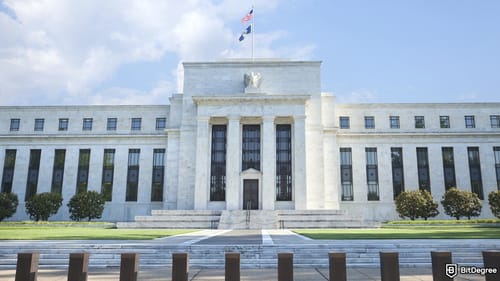
Federal Reserve Vice Chair for Supervision Michelle Bowman faced questions from Representative Stephen Lynch about her past comments on digital assets.
During a congressional hearing on December 2, Lynch referred to Bowman’s previous remarks encouraging banks to “engage fully” with digital assets, and asked whether the Federal Reserve was taking an active role in shaping cryptocurrency policy.
Bowman clarified that her earlier statements were about digital assets in general, not cryptocurrencies in particular.

Did you know?
Want to get smarter & wealthier with crypto?
Subscribe - We publish new crypto explainer videos every week!
What is Cardano in Crypto? (Easily Explained!)


Lynch seemed to seek a clearer explanation of the terms by pressing Bowman on the boundaries between these concepts.
In response, Bowman pointed to Congress’s involvement in guiding the Fed’s responsibilities. She mentioned that, under the GENIUS Act, lawmakers authorized the central bank to develop a regulatory framework for digital assets.
She said during the hearing:
The GENIUS Act requires us to promulgate regulations to allow these types of activities.
Stablecoins, which aim to maintain a stable value by tying their value to assets like the US dollar, are generally less volatile than typical cryptocurrencies. Their purpose is to provide the reliability of traditional money within the digital asset industry.
Meanwhile, the US Securities and Exchange Commission (SEC) Commissioner Hester Peirce stated that holding cryptocurrency privately is a basic individual right and aligns with foundational US freedom principles. How? Read the full story.
Loading...
The Most Liked Crypto News Findings
Looking for more latest crypto news on related topic? We have gathered similar news articles for you to spare your time. Take a look!

Latest Crypto News & Videos







Trending Crypto News

ChangeNOW Announces NOW AI After Resolving Website Integration Vulnera...

You're Invited: ChangeNOW's Retrofuture Soiree Lands at TOKEN2049 Sing...

ChangeNOW and CoinRabbit Release Joint Research on Financial Privacy i...

Polygon's $250M Bet on Stablecoin Payments: Is Blockchain Coming for T...