Fed Opens Door to Crypto With New “Skinny Master Accounts”

Last Updated: December 22, 2025
✓ Fact Checked
Key Takeaways
- The Fed may grant fintechs and crypto firms limited access to its payment system through new "payment accounts" to spur innovation;
- These "skinny master accounts" would support settlement services but come with strict limits and no borrowing or interest rights;
- The plan, aimed for late 2026, faces scrutiny over anti-money laundering safeguards before crypto players like Circle and Coinbase can benefit.
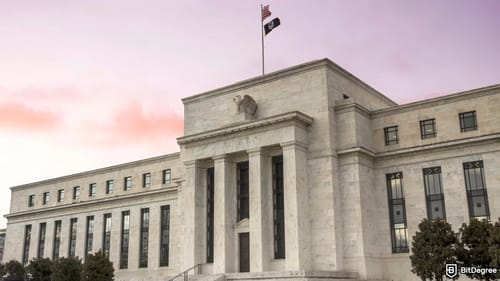
A proposal from the Federal Reserve has opened a chance for fintechs and crypto-related businesses to gain limited access to the central bank's payments infrastructure via a new type of account known as a "payment account", or "skinny master account".
This concept, introduced by Fed Governor Christopher Waller, aims to support innovation in payment services while preserving the stability of payment networks.
Waller first suggested exploring the use of payment accounts in October by noting that these accounts would handle certain settlement and clearing activities for qualifying institutions.

Did you know?
Want to get smarter & wealthier with crypto?
Subscribe - We publish new crypto explainer videos every week!
What is Tezos? XTZ Cryptocurrency Easily Explained (ANIMATED)

However, Governor Michael Barr raised concerns about the adequacy of safeguards, particularly regarding anti–money laundering and counter‑terrorism financing measures.
He cautioned that without clear protections, allowing access to these accounts for entities outside the Fed's direct supervision could pose risks.
Companies like Circle, Coinbase
These specialized accounts would come with restrictions. Unlike traditional master accounts held by major banks and Wall Street firms, payment accounts would not earn interest, would not allow borrowing from the Fed, and would face balance limits and other curbs.
Waller indicated that the plan could become operational in the fourth quarter of 2026, and noted that the public comment window would remain open for 45 days after publication in the Federal Register.
On December 18, the Federal Reserve revoked a policy that had prevented some US banks from engaging in cryptocurrency services. What did the agency say? Read the full story.
Loading...
The Most Liked Crypto News Findings
Looking for more latest crypto news on related topic? We have gathered similar news articles for you to spare your time. Take a look!

Latest Crypto News & Videos







Trending Crypto News

You're Invited: ChangeNOW's Retrofuture Soiree Lands at TOKEN2049 Sing...

ChangeNOW and CoinRabbit Release Joint Research on Financial Privacy i...

Polygon's $250M Bet on Stablecoin Payments: Is Blockchain Coming for T...

Bybit Card Launches 10% Cashback Boost for New Cardholders