Donald Trump Strikes Down Joe Biden's 2023 AI Policy on Day One

Last Updated: January 21, 2025
✓ Fact Checked
Key Takeaways
- Trump repealed Biden’s 2023 AI policy, citing concerns about stifling innovation and slowing economic growth;
- Critics argue the removal leaves gaps in AI safety and privacy protections without a clear replacement;
- Some believe that key elements, like support for skilled AI workers, should have been retained.
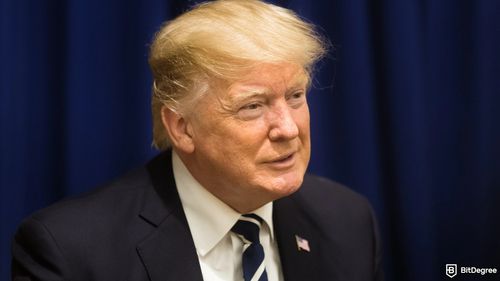
On January 20, as Donald Trump began his new term as President of the United States, he reversed several executive orders signed by Joe Biden.
Among the changes was the removal of Biden’s 2023 policy on artificial intelligence (AI), which set standards for the safety, security, and ethical use of AI technology.
The order required companies to share safety test results with the government and aimed to protect consumer privacy.

Did you know?
Want to get smarter & wealthier with crypto?
Subscribe - We publish new crypto explainer videos every week!
Copy Trading Guide for Beginners (ANIMATED EXAMPLES)


Trump had criticized Biden’s policy as overly strict, stating that it slowed innovation and economic growth.
The Republican platform for 2024 supported this view, calling Biden’s approach a barrier to progress and endorsing a vision of AI that supports free expression and human benefit.
Leaders from major tech companies, including Amazon’s Jeff Bezos, Meta’s Mark Zuckerberg, and Google’s Sundar Pichai, stood with Trump during his inauguration on January 20.
However, critics of the repeal were quick to voice concerns. Nowrasteh of the libertarian Cato Institute agreed that parts of Biden’s plan, like easing immigration for skilled workers in AI, could have been preserved.
Alondra Nelson, a senior fellow at the Center for American Progress, called the repeal a mistake. She warned that without a replacement policy, the risks of AI could outweigh the benefits.
In the final weeks of Biden’s presidency, his administration had also proposed limits on AI-related semiconductor sales to all but 18 US allies. How did the tech industry respond? Read the full story.
Loading...
The Most Liked Crypto News Findings
Looking for more latest crypto news on related topic? We have gathered similar news articles for you to spare your time. Take a look!






Trending Crypto News

Ledger Atom Explained: What Ledger's $849 'Signer' Actually Does

ChangeNOW Announces NOW AI After Resolving Website Integration Vulnera...

You're Invited: ChangeNOW's Retrofuture Soiree Lands at TOKEN2049 Sing...

ChangeNOW and CoinRabbit Release Joint Research on Financial Privacy i...