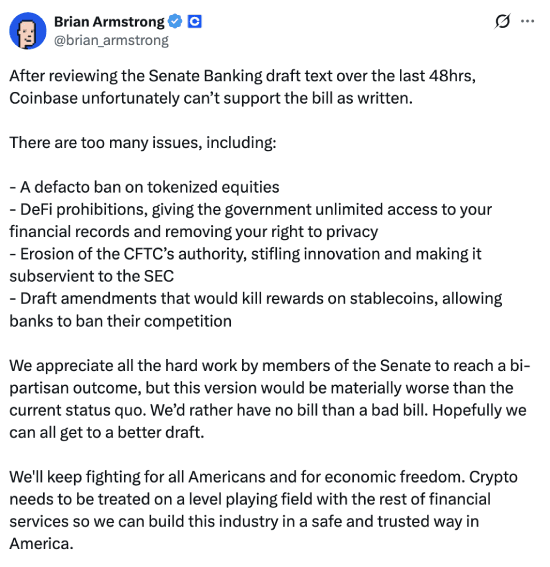
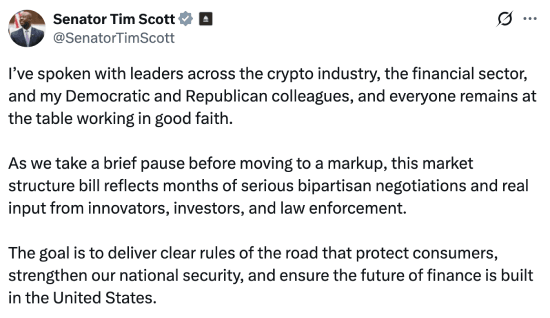
Crypto bill delayed after backlash

Last Updated: September 22, 2026
✓ Fact Checked
| Plus: Greed returns as Bitcoin rips past $96K Today's newsletter is brought to you by |
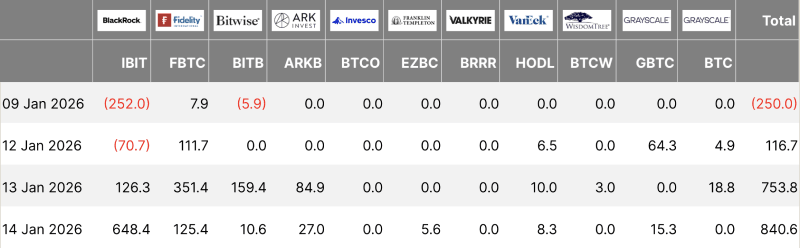
Crypto really locked in today. The reason: big money made a comeback. US spot Bitcoin ETFs pulled in $840.6M in net inflows in one day - one of the strongest inflow days we've seen in months.
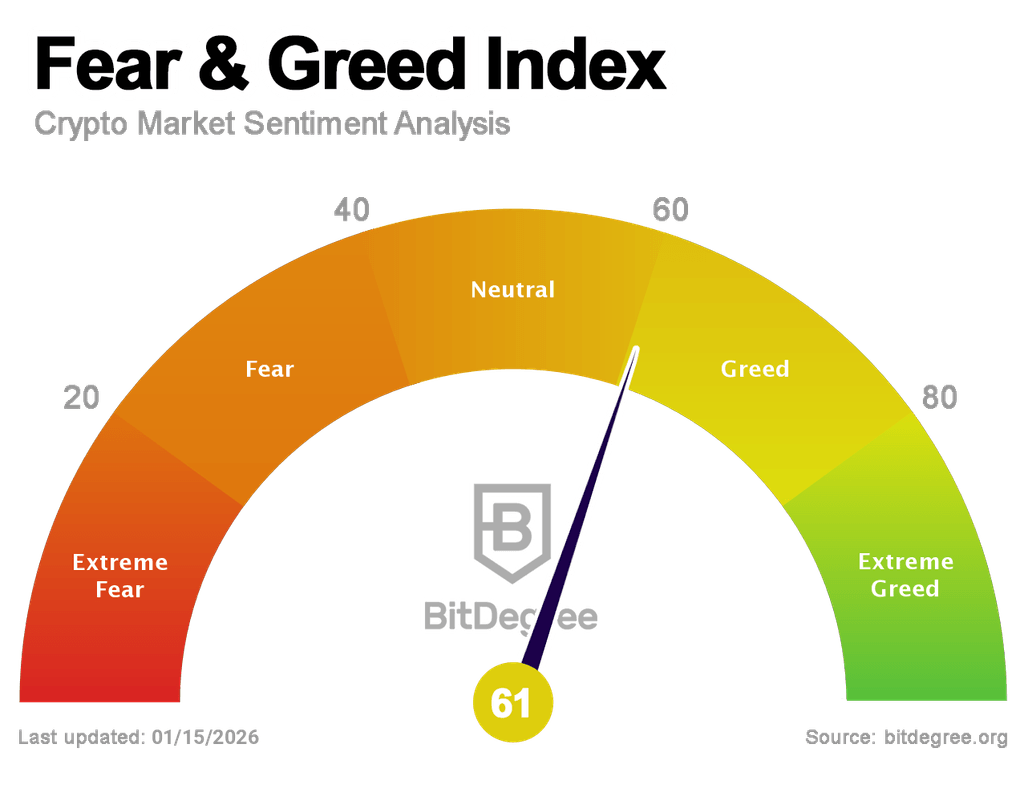
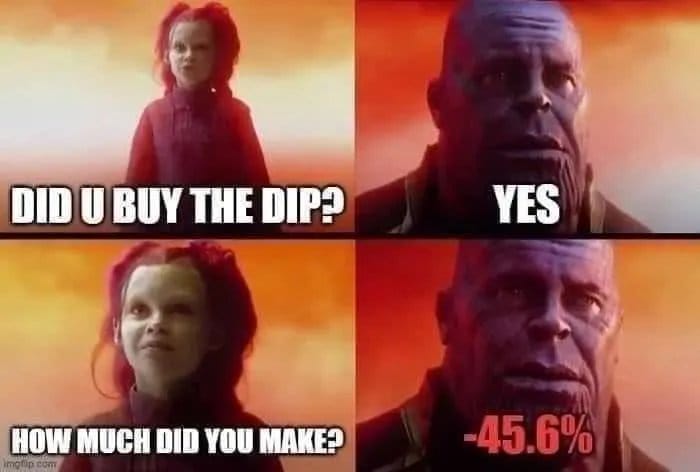
Traders saw that, went like "You know what? Hell yeah", and now: 👉 Bitcoin's back above $96K; 👉 The Fear & Greed Index went into the Greed zone for the first time since October. One important detail, though: altcoins didn't really run. A few popped early, then cooled off. But that's not bearish; it's selective. Money wanted exposure, but it wanted the safest version first. Bitcoin over alts usually means investors are confident but disciplined. So why does this matter right now? Because this move wasn't driven by vibes or rumors. It was driven by flows. Real, measurable demand. If ETF inflows stay anywhere near $500M per day, dips are likely to get bought instead of feared. That changes how people trade + how long trends last. So yeah, today didn't feel very loud, but it did feel intentional. And that can be a good thing.
| ||||||||||||||||||||||||||||||||||||||||||||||||||||||||||||||||||||||||||||||||||||||||||||||||||||||||||||||||||||||||||













Loading...
The Most Liked Crypto News Findings
Looking for more latest crypto news on related topic? We have gathered similar news articles for you to spare your time. Take a look!



Latest Crypto News & Videos







Trending Crypto News

ChangeNOW Announces NOW AI After Resolving Website Integration Vulnera...

You're Invited: ChangeNOW's Retrofuture Soiree Lands at TOKEN2049 Sing...

ChangeNOW and CoinRabbit Release Joint Research on Financial Privacy i...

Polygon's $250M Bet on Stablecoin Payments: Is Blockchain Coming for T...