China Labels Real-World Asset Tokens as “Risky” Financial Activity

Last Updated: January 06, 2026
✓ Fact Checked
Key Takeaways
- China’s main financial groups now view real-world asset tokenization as a risky business, not a developing technology;
- RWAs are now grouped with stablecoins, "air coins", and crypto mining, all activities banned under existing financial rules;
- The new stance classifies RWA tokenization as restricted financing and trading, which opens the door to potential regulatory action.
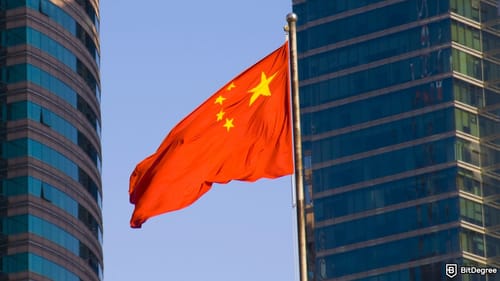
China’s main financial industry groups have indicated that regulators may take a stricter approach toward tokenizing real-world assets (RWAs).
A notice shared by Wu Blockchain on January 5 said several major organizations, including the Asset Management Association of China, the National Internet Finance Association of China, the China Banking Association, the Securities Association of China, the China Futures Association, the China Association for Public Companies, and the China Payment Clearing Association, have changed their stance on RWAs.
Instead of waiting for regulatory clarification, they classify these activities as unsafe and potentially illegal.

Did you know?
Want to get smarter & wealthier with crypto?
Subscribe - We publish new crypto explainer videos every week!
Coinbase VS Ogvio: Which is Better For Africa & Asia in 2026?


According to the same notice, these associations grouped RWAs with other cryptocurrency-related activities, such as stablecoins, “air coins” (tokens with no real value), and crypto mining. All of these were listed as prohibited under China’s existing financial rules.
In their statement, the groups explained:
Real-world asset tokenization involves financing and trading activities carried out through the issuance of tokens or other rights or debt certificates with token-like characteristics.
They added, "It carries multiple risks, including risks of fraudulent assets, operational failure, and speculative hype. At present, no real-world asset tokenization activities have been approved by China’s financial regulatory authorities".
By framing RWA projects as financial and trading activities, the new position effectively places them under laws that already restrict such operations. This reclassification increases the chances of regulatory action against anyone involved in these projects.
Japan recently announced plans to bring cryptocurrencies under the same regulations that apply to traditional financial markets. What did Finance and Financial Services Minister Satsuki Katayama say? Read the full story.
Loading...
The Most Liked Crypto News Findings
Looking for more latest crypto news on related topic? We have gathered similar news articles for you to spare your time. Take a look!
Latest Crypto News & Videos







Trending Crypto News

You're Invited: ChangeNOW's Retrofuture Soiree Lands at TOKEN2049 Sing...

ChangeNOW and CoinRabbit Release Joint Research on Financial Privacy i...

Polygon's $250M Bet on Stablecoin Payments: Is Blockchain Coming for T...

Bybit Card Launches 10% Cashback Boost for New Cardholders