Binance Halts Visa and Mastercard Withdrawals for Ukrainians

Last Updated: December 30, 2025
✓ Fact Checked
Key Takeaways
- Binance halted Visa and Mastercard withdrawals in Ukraine on December 29 due to Bifinity UAB’s shutdown after new regulations;
- Users can still deposit and buy crypto via Visa, Mastercard, Apple Pay, Google Pay, and SWIFT transfers;
- P2P trading remains active, while the Zen.com platform services are paused until January 6, 2026.
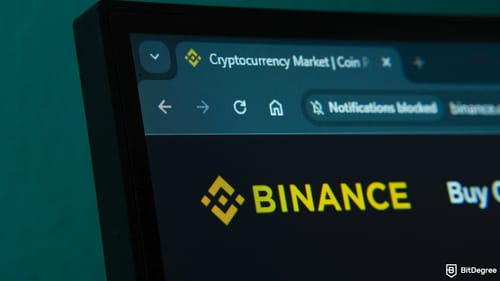
The suspension of withdrawals from Visa and Mastercard cards for users in Ukraine began on December 29, according to reports from several local news outlets.
The halt impacts those who previously used the fiat service provider Bifinity UAB. Binance
Although customers cannot use Visa or Mastercard for direct fiat withdrawals, several other deposit and buy crypto methods still work. Ukrainian users may continue to add money and purchase crypto with Visa and Mastercard for incoming transactions.

Did you know?
Want to get smarter & wealthier with crypto?
Subscribe - We publish new crypto explainer videos every week!
What is a MetaMask Wallet? (And How to Use it - Animated)

Account funding is also available through Apple Pay and Google Pay. Deposits and withdrawals using SWIFT transfers remain possible.
Certain automatic features connected to card services have also been disrupted. Recurring Buy for crypto and any active fiat-based limit buy orders will not process during this period.
This halt does not involve the Central Bank of Ukraine's systems. Peer-to-peer (P2P) trading remains unaffected and continues as usual for Ukrainian residents.
The Zen.com platform, used for euro and Polish zloty transactions, is another payment service affected. Its full deposit and withdrawal services are set to be restored by January 6, 2026.
Because of these adjustments, Ukrainian Binance users planning to withdraw funds must choose another available method.
Recently, Binance reconsidered its US operations and may reduce founder Changpeng Zhao’s ownership to meet local regulatory needs. Why? Read the full story.
Loading...
The Most Liked Crypto News Findings
Looking for more latest crypto news on related topic? We have gathered similar news articles for you to spare your time. Take a look!








Trending Crypto News

Ledger Atom Explained: What Ledger's $849 'Signer' Actually Does

ChangeNOW Announces NOW AI After Resolving Website Integration Vulnera...

You're Invited: ChangeNOW's Retrofuture Soiree Lands at TOKEN2049 Sing...

ChangeNOW and CoinRabbit Release Joint Research on Financial Privacy i...