Binance Flags Ex-BNB Chain Employee in Token Trading Probe

Last Updated: March 25, 2025
✓ Fact Checked
Key Takeaways
- Binance suspended an employee accused of using private info to buy tokens ahead of a public launch;
- The staff member allegedly profited by trading tokens before a planned Token Generation Event;
- Four anonymous users will share a $100,000 reward for reporting the issue through official channels.
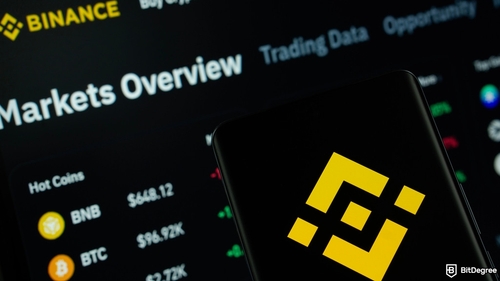
The crypto exchange confirmed that it suspended a staff member after looking into claims of improper use of private information. Binance said that using confidential information from a past job for personal gain was a clear breach of its rules.
The issue came to light on March 23, when the exchange received a report suggesting the employee had used private information to buy tokens before they were made public.

Did you know?
Want to get smarter & wealthier with crypto?
Subscribe - We publish new crypto explainer videos every week!
Hot VS Cold Wallet: Which One Do YOU Need? (Animated)


According to a March 24 post on X from Binance, the staff member joined the team in February and had previously worked in a business development role at BNB
During the investigation, it was found that the employee had knowledge of an upcoming Token Generation Event and expected that it would attract attention. Using this information, they allegedly bought a large number of tokens through several connected wallets before the token launch was made public. Once the announcement was out, they sold part of the tokens for a profit.
The company did not release the employee's name but noted that public posts on X raised questions that helped start the investigation. Several users pointed to a former BNB Chain operations manager, Freddie Ng, who recently joined Binance Wallet.
Additionally, Binance would distribute a total of $100,000 among four anonymous individuals who submitted detailed information through the proper channel.
On March 3, Binance announced its plans to stop offering nine stablecoins to users in the European Economic Area (EEA). What happened? Read the full story.
Loading...
The Most Liked Crypto News Findings
Looking for more latest crypto news on related topic? We have gathered similar news articles for you to spare your time. Take a look!






Trending Crypto News

Ledger Atom Explained: What Ledger's $849 'Signer' Actually Does

ChangeNOW Announces NOW AI After Resolving Website Integration Vulnera...

You're Invited: ChangeNOW's Retrofuture Soiree Lands at TOKEN2049 Sing...

ChangeNOW and CoinRabbit Release Joint Research on Financial Privacy i...