Is it a coin or a token? Most people get it wrong

Last Updated: September 22, 2026
✓ Fact Checked
| One powers the network. One runs inside it Today's newsletter is brought to you by |
|

| GM. We tossed crypto in a blender with gas fees, smart contracts, and one mysterious ingredient that confuses literally everyone at first: 🤔 Coins vs. tokens - what's the difference? |
|

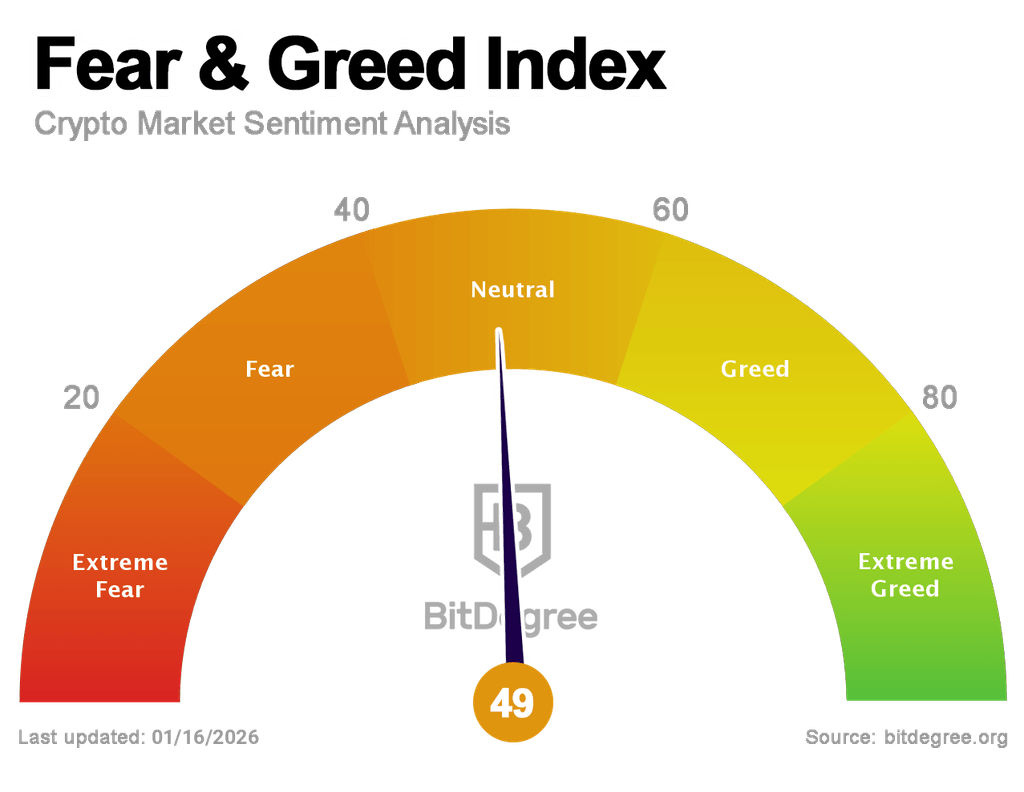
🍍 Market flavor today | ||||||||||||||||||||||||||||||||||||
| ||||||||||||||||||||||||||||||||||||
| ||||||||||||||||||||||||||||||||||||



|
🤔 Coins vs. tokens - what's the difference? | |||||||||||||||||||
| The Daily Squeeze is usually about charts that look like modern art, the hottest crypto headlines, and trying to decode what whales are doing at 3AM. But every now and then… we do a crypto 101 edition, so the newbies can catch up without feeling like they walked into the middle of a movie. So welcome to Back to Basics Week! Today's topic: Coins vs. Tokens. Let's dig in 👇
We're starting things off with the simplest way to think about it: 👉 A coin is the "main money" of a blockchain. It's native. It's part of the chain's DNA. 👉 A token is built on top of a blockchain. It's something created using that chain's tools (usually smart contracts). Tokens can do tons of different jobs beyond "being money." And now, let's go deeper...
Part 1: What is a coin? A coin is the official currency of a blockchain network. Coins typically do 3 big jobs: 1️⃣ They're the chain's base asset Because coins are native, they often become the default asset people: 👉 Trade against; 👉 Hold as the ecosystem's core asset; 👉 Use as collateral in that chain's economy. 2️⃣ They pay for activity on the network (fees / gas) Anytime you do something on a blockchain (send funds, interact with a contract, move assets), there's usually a small fee. That fee is paid in the chain's coin. 👉 On Bitcoin, fees are paid in BTC; 👉 On Ethereum, fees are paid in ETH; 👉 On BNB Chain, fees are paid in BNB. 3️⃣ They help secure the blockchain Blockchains need people (or machines) to keep them running and honest. Coins help reward those participants: 👉 On Bitcoin, miners earn BTC for validating and securing transactions. 👉 On Proof-of-Stake networks, validators stake the coin and earn coin rewards for helping run the chain.
Part 2: What is a token? Tokens are like the Swiss Army knives of crypto. A token is created on an existing blockchain (like Ethereum, Solana, BNB Chain, etc.) using smart contracts. Tokens don't need to build an entire new blockchain from scratch - they just live on one that already exists. And they can represent all kinds of stuff: 1️⃣ Utility tokens These are "use this token to access features" tokens. Think: membership card / game currency / platform credits. 2️⃣ Governance tokens These are "vote on the project's decisions" tokens. Think: shareholder voting energy. 3️⃣ Asset-backed or stable tokens Some tokens represent something else, like: 👉 A real-world currency (stablecoins like USDT, USDC, etc.); 👉 Tokenized assets (in some cases). 4️⃣ NFTs Yes - NFTs are also tokens. They're just non-fungible tokens (each one is unique).
The easiest "spot the difference" checklist: 1/ Does it have its own blockchain? 👉 Yes → probably a coin; 👉 No → it's a token. 2/ What does it mainly do? 👉 Pay fees, secure network, be the base currency → coin; 👉 Does a special job inside an app/protocol → token.
"Cool cool cool... but why should I care?" - you, maybe. Glad you asked. You should care because coins and tokens often behave differently: 👉 Coins are tied to the health and usage of their blockchains. (More activity = more fees = more demand for the coin in many cases.) 👉 Tokens are tied to the specific project they belong to. (Great tokenomics + real users + strong product = better odds of survival.) It also helps you avoid confusion when someone says: "New coin launching!" ... and it's actually just a token on Ethereum with a logo and a dream. Enjoyed today's explainer? Check out our previous editions on trading types, CEXs vs. DEXs, hot vs. cold wallets, how to spot red flags in a cryptocurrency, what dApps are, how a blockchain works, blockchain types, and smart contracts. See you soon for more Back to Basics goodness! 😄🍋
| |||||||||||||||||||





|
💸 Sending money abroad is still broken (here's the fix) | |||||||||
Trying to send money abroad in 2026 should be a two-click situation. Instead, it's: hidden fees, slow transfers, and random regulatory speed bumps that make you wonder if your money is traveling by horse 🤠 So, this Crypto Finally Explained video breaks down how to send money abroad and reveals the most affordable way to do it without losing money to pointless fees 💸 It looks at a new wave of fintech apps made to fix what traditional banks haven't - with real examples along the way. And heads up: one of these examples changes the math enough that you'll probably question why you've been doing this the old way 👀 You'll want to see this before your next transfer 👇 | |||||||||
| |||||||||
🍌 Juicy memes | |||||||||
|

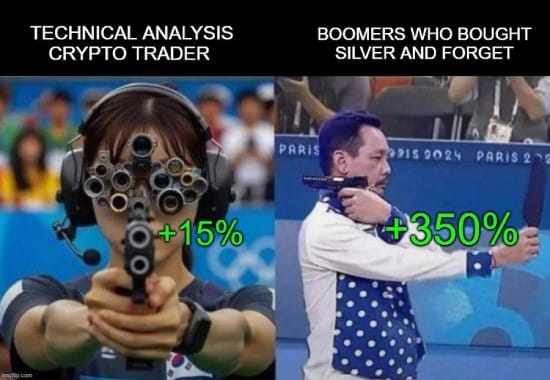
Loading...
The Most Liked Crypto News Findings
Looking for more latest crypto news on related topic? We have gathered similar news articles for you to spare your time. Take a look!





Trending Crypto News

Ledger Atom Explained: What Ledger's $849 'Signer' Actually Does

ChangeNOW Announces NOW AI After Resolving Website Integration Vulnera...

You're Invited: ChangeNOW's Retrofuture Soiree Lands at TOKEN2049 Sing...

ChangeNOW and CoinRabbit Release Joint Research on Financial Privacy i...