MEXC Fund Freeze: What Happened and Where Traders Are Moving

Last Updated: November 13, 2026
✓ Fact Checked
Key Takeaways
- In 2025, MEXC froze about $3.1M of a trader’s funds for over three months. A new US Treasury (FinCEN) order has put MEXC back in the news;
- Before choosing an exchange, check its track record, terms, proof of reserves and withdrawal history;
- BTCC, operating since 2011, is one option that publishes proof of reserves and focuses on futures trading.

In July 2025, crypto exchange MEXC froze about $3.1 million belonging to a trader known as TheWhiteWhaleV2. The case ended with a public apology from MEXC, along with a wave of withdrawals from the exchange. This month, MEXC is in the news again because of an order from the US Treasury. Let’s recap what happened, why it still matters, and what traders now check before they pick an exchange.
What Happened in the MEXC Fund Freeze
In July 2025, MEXC froze roughly $3.1 million in the account of TheWhiteWhaleV2, a well-known pseudonymous trader. The exchange said its risk-control rules had flagged the account, claiming the trader had used bots to make profits against its rules.
The trader denied this. He said every trade was manual and published his trading history to back that up, but MEXC said it does not freeze assets without valid reasons.

Did you know?
Want to get smarter & wealthier with crypto?
Subscribe - We publish new crypto explainer videos every week!
What is a Perpetual Contract in Crypto? (Definition + Example)


The dispute became public over the following months. This case peaked in late October 2025 when an on-chain investigator, ZachXBT, took the trader's side and raised questions about who owns MEXC. After that, users started withdrawing funds, and MEXC’s 24-hour trading volume fell by more than 15%.
On October 31, 2025, MEXC's Chief Strategy Officer, Cecilia Hsueh, apologized publicly, and the funds were released. She said the exchange's risk, operations, and PR teams had not kept up with its fast growth. MEXC also said it would set up a faster channel for other users with unresolved account issues.
Why MEXC Is Back in the News
On November 6, 2026, the US Treasury's Financial Crimes Enforcement Network (FinCEN) issued an order naming MEXC Global a money laundering concern. FinCEN alleges that about $16.7 billion in illicit transactions passed through the exchange between May 2021 and May 2026.
It links these to sanctions evasion involving Russia, Iran, and North Korea, and to cybercrime.
The order bars US financial institutions from sending funds to or receiving funds from MEXC, including crypto transfers, which takes effect 30 days after it is published in the Federal Register. The order is not a sanction, and no court has ruled on the allegations.
Since MEXC already excludes US residents, its main impact falls on the exchange’s links to US banks and payment providers. Traders outside the US can still use the exchange for now.
MEXC said it is reviewing the order with its legal and compliance teams, that it is operating normally, and that user assets are secure. It has also started an independent review of its anti-money laundering and sanctions controls.
The freeze and the FinCEN order are different issues, but both push traders toward the same question: how much do they trust the platform holding their funds?
What Traders Look for in an Exchange Now
When you keep funds on a centralized exchange, you depend on the exchange to let you withdraw them. This is called counterparty risk. The MEXC case showed how quickly that risk can become real, so traders should now check four things:
- Track record. How long has the exchange operated, and has it had major hacks or long withdrawal freezes?
- Clear terms. Does it explain when it can freeze an account, and how long a review takes?
- Proof of reserves. Does it publish regular, verifiable reports showing it holds at least as much crypto as users deposited?
- Withdrawal history. Do users get their funds out on time, including during market stress?
No exchange removes counterparty risk completely. These checks help you compare how much of it you take on.
BTCC: One Option to Consider
BTCC is one exchange that traders looking for a safe crypto exchange may want to review against the criteria above. It has operated since 2011, which makes it 15 years old, and it has no major security incidents on record.
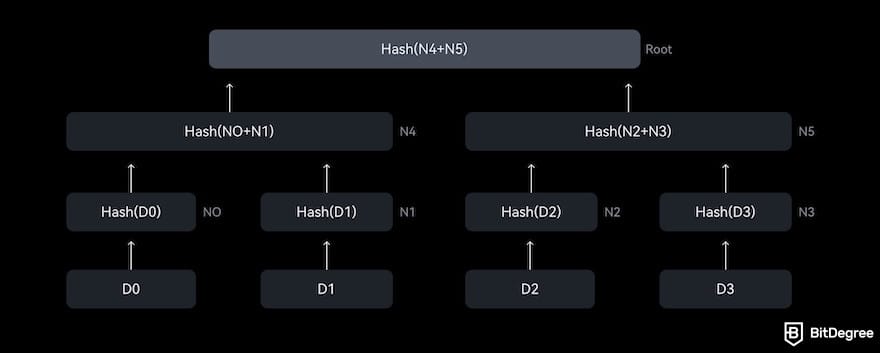
It also publishes proof of reserves, a report that shows whether an exchange holds enough crypto to cover user deposits. BTCC uses a Merkle tree, which lets each user check that their own balance is included. Its October 2026 report showed total reserves at 132% of user assets, meaning it held $1.32 for every $1 users deposited.
On top of this, BTCC keeps a $28 million risk reserve fund, which it says is meant to protect user assets during unexpected market events.
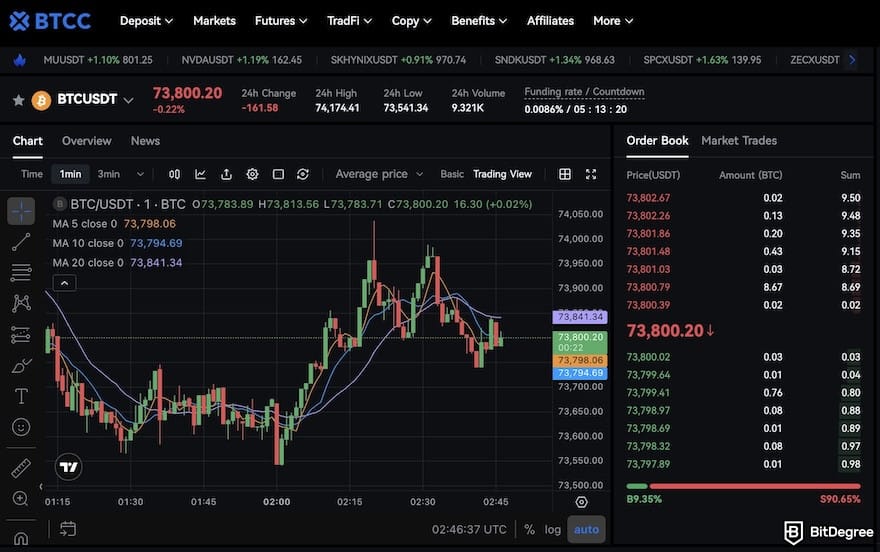
The platform is built mainly for futures and derivatives traders, and it also offers copy trading. BTCC runs zero-fee campaigns on selected pairs, including some futures pairs and TradFi futures, while standard pairs follow its regular fee tiers. You can fund your account with crypto or fiat.
Getting Started on BTCC
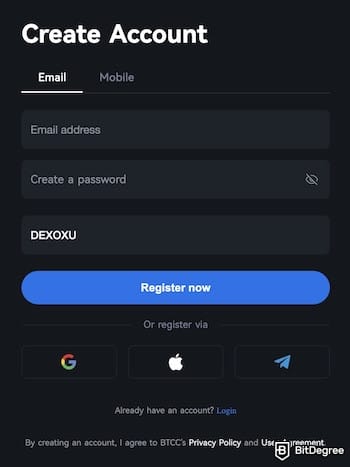
If you’re rethinking where you trade and looking for an exchange with a long track record, here’s how to get started on BTCC:
Whichever exchange you choose, the lesson from MEXC is that users need to check the track record, read the terms, and look for regular proof of reserves before you deposit. BTCC is one option that publishes these details openly.
This article is sponsored by BTCC. It is for information only and is not financial advice. Crypto futures trading carries a high risk of loss.
Loading...
The Most Liked Crypto News Findings
Looking for more latest crypto news on related topic? We have gathered similar news articles for you to spare your time. Take a look!










Trending Crypto News

Thrill’s $10,000 Glass Bridge Race: How to Play Live Casino and Crash...

Payments Could Give Crypto Super Apps a Daily Use Case, TOKEN2049 Spea...

Ledger Atom Explained: What Ledger's $849 'Signer' Actually Does

ChangeNOW Announces NOW AI After Resolving Website Integration Vulnera...